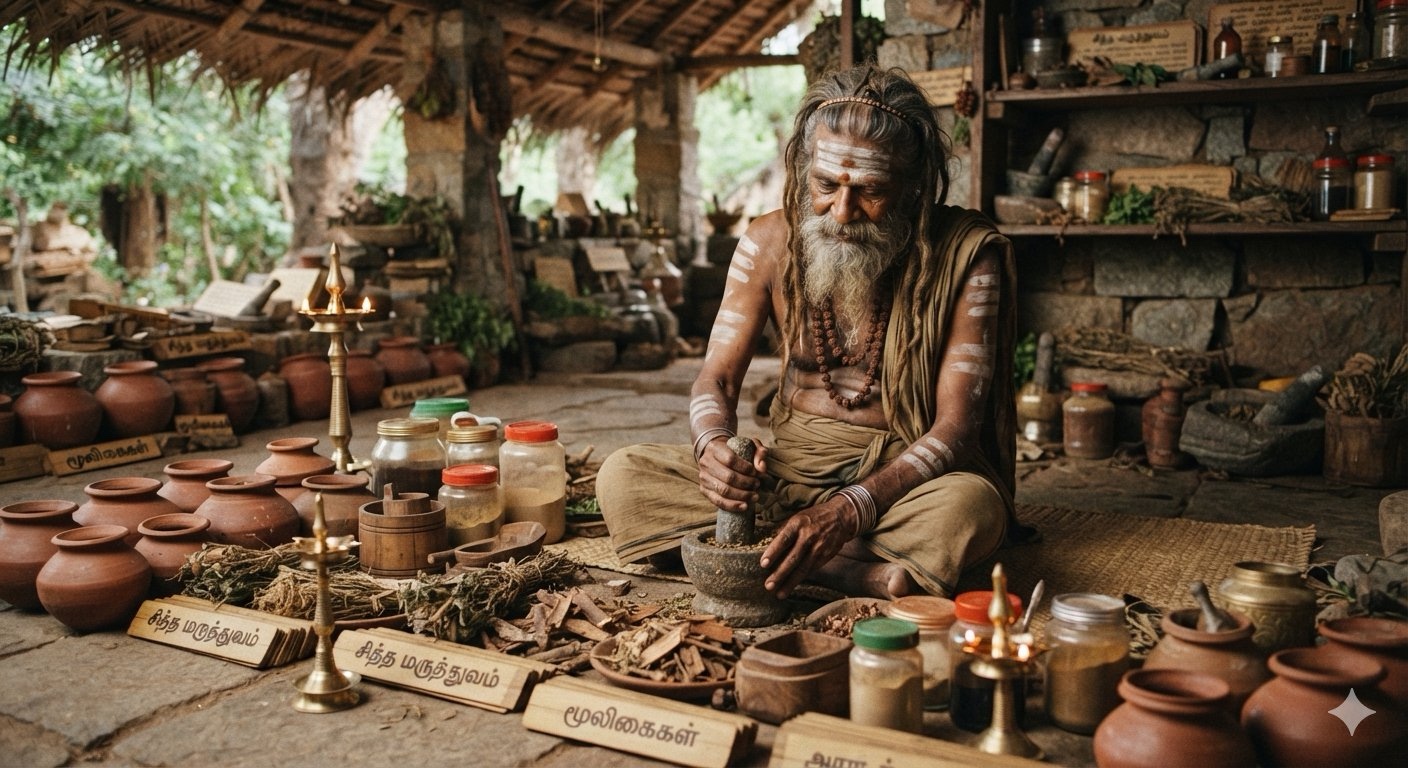

இன்னும் எத்தனை ஆயிரம் ஆண்டுகள் ஆனாலும், இதுதான் மருந்து, புதிய கண்டுபிடிப்பெல்லாம் கிடையாது, ஒருதடவை சொன்னா சொன்னதுதான் ,
இந்த பாடலை ஒவ்வொரு வரும் எழுதி வைத்து கொள்ளுங்கள், எக்காலத்திலும் உதவும்.
இப்பாடல்
அருந்தமிழ் மருத்துவம் 500 என்ற பாடலில் இருந்து எடுக்கப்பட்டது
சித்த மருத்துவர் பாக்கம் தமிழன்
தமிழ் மருத்துவ அறிவுரைப்பா
மூளைக்கு வல்லாரை
முடிவளர நீலிநெல்லி
ஈளைக்கு முசுமுசுக்கை
எலும்பிற்கு இளம்பிரண்டை
பல்லுக்கு வேலாலன்
பசிக்குசீ ரகமிஞ்சி
கல்லீரலுக்கு கரிசாலை
காமாலைக்கு கீழாநெல்லி
கண்ணுக்கு நந்தியாவட்டை
காதுக்கு சுக்குமருள்
தொண்டைக்கு அக்கரகாரம்
தோலுக்கு அருகுவேம்பு
நரம்பிற்கு அமுக்குரான்
நாசிக்கு நொச்சிதும்பை
உரத்திற்கு முருங்கைப்பூ
ஊதலுக்கு நீர்முள்ளி
முகத்திற்கு சந்தனநெய்
மூட்டுக்கு முடக்கறுத்தான்
அகத்திற்கு மருதம்பட்டை
அம்மைக்கு வேம்புமஞ்சள்
உடலுக்கு எள்ளெண்ணை
உணர்ச்சிக்கு நிலப்பனை
குடலுக்கு ஆமணக்கு
கொழுப்பெதிர்க்க வெண்பூண்டே
கருப்பைக்கு அசோகுபட்டை
களைப்பிற்கு சீந்திலுப்பு
குருதிக்கு அத்திப்பழம்
குரலுக்கு தேன்மிளகே!
விந்திற்கு ஓரிதழ்தாமரை
வெள்ளைக்கு கற்றாழை
சிந்தைக்கு தாமரைப்பூ
சிறுநீர்க்கல்லுக்கு சிறுகண்பீளை
கக்குவானுக்கு வசம்புத்தூள்
காய்ச்சலுக்கு நிலவேம்பு
விக்கலுக்கு மயிலிறகு
வாய்ப்புண்ணிற்குமணத்தக்காளி
நீர்க்கோவைக்கு சுக்குமிளகுநீர்
நீரிழிவிற்கு ஆவாரைக்குடிநீ்ர்
வேர்க்குருவிற்கு பனைநுங்குநீ
வெட்டைக்கு சிறுசெருப்படையே
தீப்புண்ணா குங்கிலியவெண்ணை
சீழ்காதுக்கு நிலவேம்பு
நாப்புண்ணிற்கு திரிபலாவேலன்
நஞ்செதிர்க்க அவரிஎட்டி
குருதிகழிச்சலுக்கு துத்திதேற்றான்
குருதிகக்கலுக்கு இம்பூரல்வேர்
பெரும்பாட்டிற்கு அத்திநாவல்
பெருவயிறுக்கு மூக்கிரட்டை
கக்கலுக்கு எலுமிச்சைஏலம்
கழிச்சலுக்கு தயிர்சுண்டை
அக்கிக்கு வெண்பூசனை
ஆண்மைக்கு பூனைக்காலி
வெண்படைக்கு பூவரசு கார்போகி
விதைநோயா கழற்சிவிதை
புண்படைக்கு புங்கன்சீமையகத்தி
புழுகுடற்கு வாய்விளங்காமணக்கு
கால்வெடிப்பா மருதாணிகிளிஞ்சல்
கரும்படை வெட்பாலைசிரட்டை
கால்சொறிக்குவெங்காரபனிநீர்
கானாகடிக்கு குப்பைமேனிஉப்பே
உடல்பெருக்க உளுந்துஎள்ளு
உளம்மயக்க கஞ்சாகள்ளு
உடல்இளைக்க தேன்கொள்ளு
உடல் மறக்க இலங்கநெய்யே
அருந்தமிழர் வாழ்வியலில்
அன்றாடம்சிறுபிணிக்கு
அருமருந்தாய் வழங்கியதை
அறிந்தவரை உரைத்தேனே!!
The passage above shared on social media is a compact, memorable Siddha medical advisory poem, said to be drawn from a work called “Arundhamil Maruthuvam 500” (“Great Tamil Medicine: 500 [verses]”), attributed to the Siddha physician Pakkam Tamizhan.
Its opening claim is striking: even after thousands of years, this remains the medicine; there will be no new discovery that supersedes it—once said, it stands for all time.
The poem then lists, in tight couplets, which herb or simple remedy suits which organ, ailment, or bodily function in traditional Tamil/Siddha practice.
Below is a line-by-line English gist (not a literal, word-for-word translation, but a clear rendering of the sense), preserving the structure:
The herbal remedies (line-by-line gist): Each pair follows the pattern: “For X — Y (herb/remedy).”
• For the brain — Vallarai (Brahmi)
• For hair to grow — Neeli and Nelli (Indigo plant and Amla)
• For asthma / respiratory weakness (eelai) — Musumusukkai
• For the bones — Ilam Pirandai (young Cissus quadrangularis)
• For the teeth — Velvalan (a dental twig/plant)
• For appetite/digestion — Jeeragam and Minji (cumin and a pungent herb)
• For the liver — Karisaalai (Bhringraj)
• For jaundice — Keezha Nelli (Phyllanthus niruri)
• For the eyes — Nandiyavattai
• For the ears — Sukku and Marul (dried ginger and a medicinal preparation)
• For the throat — Akkarakaram (Akarkara / Anacyclus pyrethrum)
• For the skin — Arugu and Vembu (grass and neem)
• For the nerves — Amukkuran (Ashwagandha)
• For the nose / nasal issues — Nocchi and Thumbai (Vitex negundo and white datura)
• For strength / vitality — Murungai poo (drumstick flower)
• For swelling / edema — Neer Mulli (a water-loving thistle)
• For the face — Santhana ney (sandalwood ghee/oil)
• For the joints — Mudakkaruthan (a joint-pain herb)
• For the heart / inner organ (agam) — Marudham pattai (Arjuna bark)
• For smallpox / pustular eruptions (ammai) — Vembu and Manjal (neem and turmeric)
• For the body (external care) — Ellu enney (sesame oil)
• For sensation / feeling — Nilappanai (a palm-related remedy)
• For the intestines / bowels — Aamanakku (castor)
• Against excess fat / obesity — Ven poonde (white garlic)
• For the uterus / womb — Asoka pattai (Ashoka bark)
• For fatigue / exhaustion — Seenthil pulp (Tinospora cordifolia)
• For the blood — Athi pazham (fig fruit)
• For the voice — Then and Milagu (honey and pepper)
• For semen / reproductive vigor — Oorithazh thaamarai (a single-petal lotus variety)
• For leucorrhoea / white discharge — Katralai (Aloe vera)
• For the mind / thoughts — Thaamarai poo (lotus flower)
• For urinary stones — Siru ganbheelai (a small-seeded herb)
• For whooping cough — Vasambu powder (sweet flag / Acorus)
• For fever — Nilavembu (Andrographis)
• For hiccups — Mayil iragu (peacock feather, traditionally used in certain rites)
• For mouth ulcers — Manathakkali (a solanum herb)
• For phlegm / kapha congestion — Sukku–milagu neer (ginger–pepper water)
• For diabetes — Aavarai kudineer (decoction of Cassia auriculata)
• For prickly heat / heat rash — Panai nungu neer (ice-apple / palm fruit water)
• For gonorrhoea / “vettai” — Siruseruppadai (a small herb)
• For burn wounds — Kungiliya vennai (ghee with certain resins)
• For suppurating ear discharge — Nilavembu
• For tongue ulcers — Thiripala velan (a three-fruit preparation)
• Against poison — Avari and Etti (toxic plants used in controlled antidotal ways)
• For bloody dysentery — Thuthi and Thethran
• For haemoptysis / coughing blood — Imbooral ver (a root)
• For heavy menstruation / “perumpaadu” — Athi and Naaval (fig and Java plum)
• For ascites / abdominal swelling — Mookkirattai (a purgative herb)
• For cough — Elumichchai and Elam (lemon and cardamom)
• For diarrhoea — Thayir and Sundai (yogurt with dried berries)
• For acidity / “akki” — Ven poosanai (white pumpkin)
• For virility / manhood — Poonai kaali (a specific herb)
• For leucoderma / white patches — Poovarasu and Carbogi
• For testicular pain / “vidhai noy” — Kazhatchi vidhai (seed of a thorny plant)
• For ulcerous growths / “pun padai” — Pungan seemai agathi
• For obesity / “puzhugu udal” — Vaay vilanga manakku (a castor-related)
• For heel fissures / cracked feet — Maruthaani kilinjal (henna-related remedy)
• For dark patches / “karum padai” — Vetpaalai and Sirattai
• For leg itch / scabies — Ven kaara pani neer (alkaline lime water)
• For dog bite — Kuppai meni uppu (salt of a specific plant)
• To increase body mass — Ulunthu and Ellu (black gram and sesame)
• To intoxicate / stupefy the mind — Ganja and Kallu (cannabis and palm liquor)
• To reduce body weight — Then and Kollu (honey and horse gram)
• To make the body “forget” (perhaps in ritual or anaesthetic sense) — Ilanga ney (a fragrant medicated ghee)
Context: Pakkam Tamizhan and “Arundhamil Maruthuvam 500”
The poem is attributed to Pakkam Tamizhan, identified in some print editions as a Siddha physician and poet (pavalar) whose work appears under the title “Arundhamil Maruthuvam 500.” The name suggests a connection to Pakkam, a locality in Chennai, and situates the text within the modern print and online circulation of Siddha literature.
While the exact date of composition is unclear, such works typically belong to the late 19th to 20th-century wave of Siddha texts that were compiled, printed, and popularized as part of broader movements to assert Tamil medical and cultural identity. The poem’s easy online spread—under headings like “Padithathil Pidithathu”—shows how these older forms continue to live as shareable wisdom in blogs and social media.[dinamani]
Taken as a whole, this short poem functions as a vernacular encyclopedia of the body, compressing a large medical worldview into a form that can be copied into a notebook, memorized, and recalled in moments of illness. Its closing lines make the scope explicit: this is not a claim to cure every disease in every context, but a record of what “noble Tamils” used as precious medicine for daily, minor ailments—offered now “to those who understand.”
For a contemporary reader, the poem is valuable on at least three levels:
- As a cultural text: It reveals how health, herbs, and household knowledge are woven into Tamil self-understanding.[tianmu]
- As a literary artifact: Its tight couplets and rhythmic cataloguing show the poetic craft behind medical mnemonic verses.
- As a provocation: Its bold claim that “there will be no new discovery” challenges modern assumptions about progress, inviting reflection on what counts as knowledge, and how traditions imagine their own endurance across “thousands of years.”
