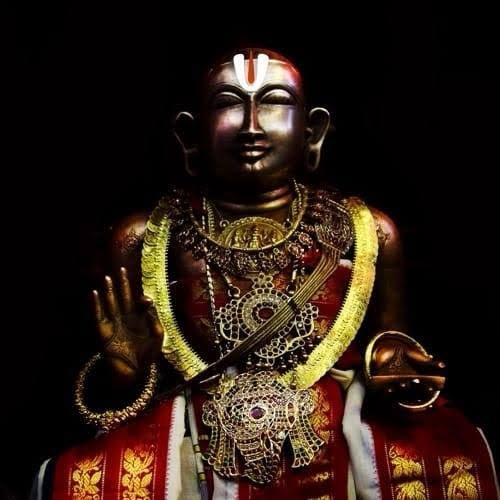
An imaginary dialogue has been conceived and recorded below between a student and a Sri Vaishnava Acharya being held during the course of a traditional “kaalakshepam” (small intensive study-group class) session conducted by the Master for his band of disciples on the sacred Vedanta text, “Rahasya Traya Saaram” written by Swami Vedanta Desikan (1268-1368CE)
The Dialogue seeks to recapitulate the Vedantic concept of “apaurusheyam” — that describes the Veda as revealed scripture having no authorship.
The student wishes to have his nagging doubt about the concept cleared. He is uncertain about the nature of the Vedas being Revealed Scriptural Authority and “anaadi” and “apaurusheyam” as well i.e. eternally self-existent, eternally valid and infallible and having no human authorship or agency. It simply stands self-luminous and self-evident.
The student is fascinated by such an intriguing concept but is unable to fully grasp the reality of “apaurusheyam” although it is known and accepted universally to be a Vedantic axiom. Hence he badgers the Acharya with a few questions that are reproduced below (in both English and Tamil) in the format of a Master-Disciple conversation in class. Their dialogue thereafter continues.
*******************
Swami , salutations to you .🙏
In the ongoing “kaalakshepam” on Rahasya traya Saaram , you had explained a certain section in it that deals with the matter of how Veda-Sastra alone is the only infallible “pramaanam” for a seeker in his or her inquiry into “adhyaathmikam” or “aamushmikam” questions leading to ultimate realisation of “parama purushaartham”, the summum bonus of all existence.
At the same time, it was also explained by you that Veda Pramaanam is “anaadi” and “Anantham” … i.e. It has no beginning and no end . It is eternal and co-existent with the Creator as if it were his own eternal life-breath.
Thus , the Vedas are scriptures said to have no human authorship. They are “apourusheyam”. This makes the scripture cosmic and divine in origin. It is also infallible.
Now, a few nagging questions arise in my mind for which I very humbly seek your clarification, Swamin :
1. Attribution itself is a an act of the human intellect, isn’t it? If I say , “this thing is so divine in beauty”, I’m myself attributing to the object a certain quality that I myself have conceived as being divine . So, Divinity itself is a conception of a quality which human agency then attributes to the Vedas, is it not ?
2. So, similarly , if it is said that this Scripture is “apaurusheyam” and has no human authorship … that quality of being “apaurusheyam” too by itself is again an act of intellectual attribution, is it not ?
3. So, how can then one say that the Veda is a scripture that is of non-human origin or that it has no authorship ?
Swamin, I will be grateful to you if you could please remove my doubt.
*******************
(Tamil translation)
ஸ்வாமி, ஆடியேனுடைய பணிவான நமஸ்காரங்கள்.
நடந்து கொண்டிருக்கும் காலாட்சேபம் இல் [ரஹஸ்யத்ரயசாரம்] குறித்து ஸ்வாமி அருளிச் செய்தபோது, அதிலுள்ள ஒரு பிரபந்த பாகத்தைத் தெளிவாக விளக்கினீர்கள். அந்தப் பகுதி, ஆத்யாத்மிகம் அல்லது ஆமுஷ்மிகம் தொடர்பான விசாரணையில், சாதகருக்குப் பிரமாணமாக, மாறாதது, எப்பொழுதும் தவறுக்கிடங்கில்லாதது — பிரமாணம் — எனப்படும் ஒன்றாக வேதம் மட்டுமே உறுதி செய்யப்படுவதாகக் கூறுகிறது.
அதே சமயம், ஸ்வாமி அருளிச் செய்தது போலவே, அந்த வேதப்பிரமாணம் அனாதி-யும் அனந்தம்-யும் ஆகும் — அதற்கு ஆதியும் இல்லை, அந்தமும் இல்லை. அது நித்தியமாகப் பிரபஞ்சக் கற்பித்தவனான [பிரம்மன்] உடன் இருப்பதாகவும், அவர் சுவாசம் போன்று நித்தியமாக நிலைத்திருப்பதாகவும் கூறப்படுகிறது.
இதனால் வேதம், மனுஷரால் இயற்றப்படாத, [அபௌருஷேயம்] — தெய்வீக ஆதாரமுடைய நூலாகவே விளங்குகிறது. இதனால்தான் அது தவறில்லாத, அசேத்யமான பிரமாணமாகப் பெருமை பெறுகிறது.
அடியேனுடைய மந்தமான புத்தியிலே சில சந்தேகங்கள் எழுகின்றன ஸ்வாமி; அவற்றைப் போக்கி அருள் செய்யுமாறு மிகவும் தாழ்மையுடன் வேண்டிக்கொள்கிறேன்.
பொருளாதாரக் கண்ணோட்டத்தில், [அதிப்பயம்] அல்லது [அடையாளம்] கொடுப்பது தானே மனித புத்தியின் செயலா? “இந்தப் பொருள் தெய்வீக அழகை உடையது” என்று சொல்லும்போது அந்தப் பொருளை “தெய்வீகமானது” என்று கூறுவது என் மனத்தில் தோன்றிய ஒரு சிந்தனைதான் அல்லவா? அப்படியென்றால் “தெய்வீகம்” என்ற அம்சமே ஒரு மனுஷ பாவனை அல்லவோ?
அதேபோல் “இந்நூல் [அபௌருஷேயம்]” — இது எழுதியவர் யாருமில்லை என்றால் — அந்த “அபௌருஷேயம்” என்ற பண்பை கூறுவதும் ஒரு மனுஷ சிந்தனையின் வெளிப்பாடே அல்லவா? இப்படியாக இருக்கையில், வேதம் “மனுஷரின்மை” அபாவத்துடன் கூடிய தெய்வீக நூல் என்று நாம் கூறுவதில் எப்படி உறுதி செய்யலாம் ஸ்வாமி?
அடியேனுடைய இச்சந்தேகத்தை ஸ்வாமி தயவுசெய்து நீக்குமாறு அருள்புரிய வேண்டுகிறேன்.
🙏
அடியேன்,
(To be continued)
Sudarshan Madabushi