
Here is a “paasuram” from Peria-Azhwar’s “tirumozhi” that I consider is an utterly enchanting still-portrait of Krishna Leela theme expounded in the Srimadh Bhaagavatham. You must read it with the portrait of Bala Krishnan above etched in your imagination.
வெண்ணெய்விழுங்கிவெறுங்கலத்தை
வெற்பிடையிட்டு அதனோசைகேட்கும்
கண்ணபிரான்
கற்றகல்விதன்னைக்
காக்ககில்லோம் உன்மகனைக்காவாய் *
புண்ணில்புளிப்பெய்தாலொக்கும்தீமை
புரைபுரையால்இவை
செய்யவல்ல
அண்ணற்கண்ணானர்
மகனைப்பெற்ற
அசோதைநங்காய்! உன்மகனைக்கூவாய்
—- யெரியாழ்வார் 2.9
“Your little boy ate up all the butter from our empty pots,
He climbs mountains and makes loud noises just to show off!
We can’t even protect the knowledge we worked hard to learn –
So please, Yasodha, you take care of your son.
Just like how sour things make wounds worse,
His naughty acts are painful and hard to tolerate.
You, the mother of the boy with beautiful eyes,
please call him back and stop him!”**
In this verse Periyazhwar assumes the “bhaava” of a Gopasthree — one among the small bucolic community of simple-minded cow-maidens in the hamlet of Gokulam. She is fed up with the brattish pranks of little Krishna. It is a gentle complaint to Mother Yasodha about young Krishna’s mischievous behavior, conveyed however with a sort of wry indulgence, affection and humor.
***********
Many a stalwart Sri Vaishnava Tamil theologian in the past has commentated (‘vyaakhyaana-karta’) on the Azhwar’s “paasurams” in the Naalaayira Divya Prabhandham hymns such as this one. And it is thanks to their delightful expositions that today we are able to appreciate the depth, intensity, complexity and esotericism of Krishna Leela and Krishna Bhakthi, the two principal leitmotifs of Maharishi Vyaasa’s Srimadh Bhagavagtham.
There are two phrases in the above verse that seem very tantalising, why, even puzzling to a reader like me, unschooled in the scholarly “vyaakhyaana” of the Divya Prabhandham Acharyas:
கற்றகல்விதன்னைக்
காக்ககில்லோம் உன்மகனைக்காவாய் *
புண்ணில்புளிப்பெய்தாலொக்கும்தீமை
புரைபுரையால்இவை
செய்யவல்ல
The first expression is loosely translated as “we have lost the knowledge we worked hard to gain”. An ordinary reader may ask: What knowledge of the gopasthree is the Azhwar talking about ? The second phrase also raises the question at once in our minds: What is the “sour thing” that aggravates wounds of the gopasthrees?
The traditional commentators shed fascinating light on these two questions. Below is attempted a rough paraphrase of mine about what they explain.
************
There are two dimensions to the way we humans lead our lives and go about our countless activities on earth. One is called “vyavahaarika” or “loukeeka“. The other dimension is called “adhyaatmika“.
In the vyavahaarika or loukeeka world, we are fully engaged with mundane and secular affairs — i.e. earning a livelihood, working endlessly to provide security and comfort for our families, getting ahead in our careers and vocations, and seeking all manner of material ambitions and fulfilment. In such lifelong endeavour, we are all deeply committed to fulfilling our karmic obligations.
Then there is the other dimension called “adhyaatmika“. In this world, we sometimes find ourselves — albeit only rarely, fleetingly, suddenly and momentarily — freed totally from “loukeeka vyavahaarikam” i.e. all our secular obsessions, committments and concerns. In such rare moments we experience ineffable sense of divinity… a strange, inexplicable and overwhelming sense of bliss … “a joy that passeth understanding”. No ostensible reason for such momentary bliss and lightness of pure being can be fathomed. It is neither attributed to this or that object, sensation, thought or impression.
In that “adhyaatmika” moment, everything seems to stands still. All our other normal life and “loukeeka” activities get totally disrupted and come to a halt. We are unable to focus on day-to-day chores and duties… Our quotidian routines simply freeze. It is in those moments of near-mystic stillness in which everything about the world and ourselves is simply erased from consciousness… We stand transfixed in the moment of bliss not knowing what we are experiencing.
***********
The Peria-Azhwar verse above refers precisely to such a disruption of the gopasthree’s vyavahaarika activities and her loukeeka world being turned upside down! She goes thus to Krishna’s mother Yasodha, complaining that everything in her humdrum regular cow-maiden life, her values, her daily regimen and all her sense of right and wrong are being constantly distracted and disrupted by the little Krishna — by his enchanting mischief and divine gambols in the village of Gokulam.
In the context of the poem, the gopī (or gopasthree) is humorously complaining to Yashodha (Krishna’s mother) about his trouble-making ways. The “knowledge” she is talking about isn’t any academic or scholarly knowledge, but her humble, workaday, vocational concerns — i.e. the “vyavahaarika” dimension of dailly life which is being disrupted every now and then by Krishna. What she means by “knowledge” refers to how she manages daily tasks, runs the household, handles the business of vending butter, curd and milk for a living, and distinguishes between right and wrong behavior in her ordinary cow-maiden’s existence. Her complaint is that Krishna’s mischief — like stealing butter, breaking pots, and charming the village belles and damsels — renders all her efforts to carry on her humble trade in an orderly, disciplined manner.
The implication here is that Krishna’s divine presence overwhelms all worldly knowledge and routines (vyavahaarikam), making the gopasthree lose herself in loving devotion to him alone, forgetting every other concern… which is exactly the state of “adhyaatmikam” that the phrase கற்றகல்விதன்னைக் காக்ககில்லோம் denotes.
So, the “knowledge” spoken about here is worldly workaday knoweldge which the gopī has cultivated but which has now been rendered useless because Krishna’s magical exploits upends everything in the course of even day-to-day living. The phrase is thus expressed, half in jest and half in awe. It is meant to convey the meaning that no matter what she knows or however hard she tries, the gopasthree simply can’t cope with Krishna’s overwhelming, mischievous charm.
************
The other phrase that at first glance is also puzzling is புண்ணில் புளிப்பெய்தாலொக்கும் தீமை புரைபுரையால் இவை செய்ய : the “sour things that aggravate wounds”. It is indeed a rather strange metaphor is used in this verse.
In everyday life, applying something sour (like lemon juice or tamarind) on a bruise or wound causes stinging pain and makes the wound worse…. We can recall that common idiom in English language, “rubbing salt into the wound“. It is similar idea that the above Tamil expression too conveys. The poet, Periyazhwar, uses this imagery to express how Krishna’s ceaseless mischief-mongering goes on piling up on the gopasthree’s troubles and embarrassments. It’s like rubbing salt to wound.
For her, the “wounds” are pain, trouble and emotional distress caused by Krishna’s constant playful pranks (stealing butter or breaking pots, letting the calves devour all their mother-cow’s udders, frolicking with fellow-cowherd boys.. and so on). The “sour things” are Krishna’s non-stop mischievous actions that add to the daily stress. Just as a sore gets more painful with something sour, the gopī’s frustration grows each time Krishna does something new that is outrageously naughty— thus, she feels her dignity and peace are being repeatedly “wounded” by him.
So, this Tamil phrase is not about any physical wound nor about actual sourness; it’s a vivid way to describe how Krishna’s relentless mischief — “cheshtitham” — makes her day-to-day life more difficult and emotionally challenging. The metaphor highlights her feeling of both helplessnes and love mixed together, making things very complicated for her.
************
There is in the Tamil language another exquisite phrase which in fact graphically and most accurately helps us in understanding the mixed feelings of love and exasperation expressed by the gopasthree (impersonated by Sri Peria Azhwar).
The word is ““தொல்லை இன்பம்” (thollai inbam).
This expression is superb shorthand used to describe what the original verse of the Azhwar expresses through its vivid imagery and delighful emotional nuance. An oxymoron like thollai inbam is perhaps the only nearest approximate way to adequately describe that bitter-sweet complex nature of Krishna Bhakthi tinged as it always is with an element of exasperation.
The oxymoron is not directly from Periyazhwar’s own vocabulary, but over centuries it has evolved into fine interpretive coinage by Divya Prabhandham commentators and is even today commonly used to distill the complex bittersweet joy that is found in the Azhwar’s poetry.
“Thollai inbam” is indeed an apt and deeply evocative oxymoron. It reflects the dual experience so often found in Tamil devotional poetry: the devotee’s life is filled with Krishna’s playful troubles (“thollai”), which can be exasperating, confusing, and even overwhelming—but these very troubles are what bring the deepest joy (“inbam”), intimacy, and meaning to the relationship with the divine. It is in fact the sum of complex feelings though which is experienced “vyavahaarika” being eclipsed by “adhyaatmikam”.
Indeed, “தொல்லை இன்பம்” (thollai inbam), is a uniquely Tamil poetic idea that means “the trouble that brings joy or the nuisance that brings bliss“. Periyazhwar in his paasuram thus describes the mischief and pranks of young Krishna as a “thollai“—an irritation, nuisance, or constant trouble—but one that is filled with love and sweetness, and therefore becomes “inbam“—joy or delight. For the gopasthree, Krishna’s actions certainly disturb her daily routines and cause her to rail and complain about it to Yasodha, but at the same time, those very disturbances fill their lives with meaning, laughter, and tender affection. The “wound” Krishna causes is instantly sweetened by the delight of experiencing his divine play, making even the struggle itself a cherished part of their lives.
So, thollai inbam, an oxymoron, perfectly describes the paradoxical pleasure that comes from the loving mischief of the divine, especially when played by someone as dear as the avatar of Krishna.
************
The oxymoron “thollai inbam” is explicitly used in a paasuram by another Azhwar — Sri. Kulasekhara Azhwar and which, therefore, clearly tells us that Tamil Azhwar poetry and the wider bhakti tradition in the schemata of Divya Prabhandham hymnology, often present this fascinating dynamic tension of Krishna Bhakthi in the exactly the same way: i.e. as love for Krishna that is never pure sweetness nor faultless bliss, but is always tinged with a sense of helplessness, playful plaint and railing, deep longing, and loving frustration.
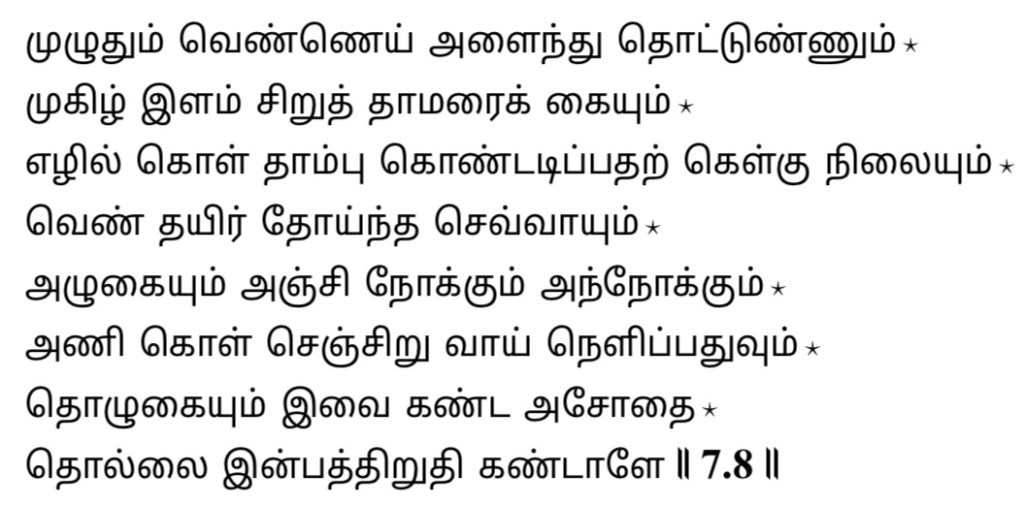
muzhudhum veNNey aLaindhu thottuNNum
mugizh iLam siRuththAmaraik kaiyum
ezhil koL thAmbu koNdadippadhaRk(u) eLgu nilaiyum
veN thayir thOyndha sevvAyum
azhugaiyum anji nOkkum annOkkum
aNikoL senjiRu vAy nELippadhuvum
thozhugaiyum ivai kaNda asOdhai
thollai inbaththiRudhi kaNdALE
The last line in the verse above is — “thollai inbaththu iRudhi kaNdALE!“
The mother Yasodha’s own experience of “adhyaatmikam” as she feasted her eyes upon her child Krishna is expressed here by Kulasekhara Azhwar.
She experienced the boundary of experiencing “paramapadham” — the acme of spiritual bliss. Such bliss has no boundary, no limits, it knows no time and knows no waning. Paramapadham is cited to be without any boundary in authentic Vedic texts such as the Anandavalli and Brghuvalli passages in the Taittiriya Upanishad.
It is spiritual ecstasy experienced by nithyasuris [permanent dwellers of paramapadham] and mukthaatma-s [those who attained paramapadham after being liberated from samsara] .
But the Azhwar in this verse says that even such bliss as experienced in paramapadham does have boundaries since there the liberated souls cannot experience the rare bliss of witnessing Krishna as a frolicking boy, merrymaking and playing pranks, stealing butter and gambolling amongst the village maidens of Gokulam.
Can they see him as a baby crying? No! Can they see him performing anjali, beseeching his mother Yashodha not to punish him for stealing butter or milk? No! Therefore, the Azhwar convinces us here that even the bliss in paramapadham has limits and boundary…. it is not unsurpassed.
Here on earth, in Gokulam too, yes, there is bliss of Bala Krishnanubhavam — true. But then this bliss is too tinged by a sense of exasperation, fretting and stress caused by the mischief of irrepressible Krishna Leela! So, there is, of course, a nameless boundary, indefinable limit to bliss in this experience too…
The upshot of both the above paasurams of Peria Azhwar and Kulasekhara Azhwar is thus only this:
The gopis, Yasodha, and the poets themselves constantly oscillate between delight and distress, their exasperation transformed by love and devotion into profound sweetness.
“Thollai inbam” is not just a poetic flourish but a powerful expression of the real, lived experience of Krishna Bhakti—one that is bittersweet, filled with longing and laughter, complaint and contentment, all at the same time. This deepens our grasp of bhakti by showing that true devotion is found not in escaping the emotional messiness of love, but in saturating oneself in its complexity until even trouble tastes sweet.
Words alone rarely capture such nuances, but “thollai inbam”—troublesome joy—gets very close indeed. The oxymoron reveals to us that that Krishna’s devotees accept, and even cherish, the bittersweet and paradoxical nature of his presence: a love that wounds and heals, frustrates and fulfills, all at once. Such is the unique, enduring flavor of Krishna Bhakti in Tamil as well as pan-Indian devotional literature.
***********
Oothukadu Venkata Subbaiyer’ was a brilliant Tamil kavi and composer in the Carnatic music world. He was a man of creative brilliance and encyclopedic erudition and lived approximately between 1700-1765.
One of his masterpieces is a composition that even today music lovers simply find delectable beyond words — “தாயே யசோதா” (“Thaaye Yashoda”). It is lilting kriti which humorously and lovingly captures Krishna’s “thollai inbam” (troublesome joy) as experienced by the gopasthrees of Gokulam. The song was rendered masterfully by that outstanding Carnatic musician of yesteryears , Sri.Musiri Subramani Iyer. Please do listen to the YouTube recording at the link given right below). தாயே யசோதா
தாயே யசோதா
உந்தன் ஆயர் குலத்துதித்த மாயன்
கோபால கிருஷ்ணன் செய்யும் ஜாலத்தை கேளடி (தாயே)
தையலே கேளடி
உந்தன் பையனை போலவே இந்த வையகத்தில்
ஒரு பிள்ளை அம்மம்மா நான் கண்டதில்லையடி (தாயே)
(சரணம்):
காலினில் சிலம்பு கொஞ்ச கை வளையல் குலுங்க
முத்து மாலைகள் அசையத் தெருவாசலில் வந்தான்
காலசைவும் கைசைவும் தாளமோடி சேர்ந்துவர
நீலவண்ணக் கண்ணனிவன் நடனம் ஆடினான்
பாலனென்று தாவி அணைத்தேன், அணி மாலை இட்டவன் போல்
வாயில் முத்தம் இட்டானடி
பாலனல்லடி, உன் மகன்,
ஜாலம் மிக செய்யும் கிருஷ்ணன்
நாலு பேர் கேட்ட சொல்ல நாணம் மிகவாகுதடி (தாயே)
Thaaye Yasodha
O Mother Yasodha,
உந்தன் ஆயர் குலத்தில் பிறந்தவன், கோபால கிருஷ்ணன், செய்யும் ஜாலங்களை கேளடி தாயே
your son Gopala Krishna, born in your noble cowherd clan—
please listen to all the magical mischiefs he does!
தையலே கேளடி
Dear lady, listen—
உந்தன் பையனை போலவே இந்த வையகத்தில் ஒருபிள்ளை காணோம் தாயே
There’s no child anywhere in this wide world who matches your boy, Mother!
(He is truly one of a kind!)
காலினில் சிலம்பு கொஞ்சும், கை வளையல் குலுங்கும், முத்துமாலை அசையும்…
His anklets jingle sweetly on his feet, his bangles clink on his tiny hands,
and his pearl garlands sway as he walks…
பேரழகு கண்ணனவன் வருவான்
This beautifully charming Krishna walks down our street…
சாலியுடன் வந்து நின்று, சாப்பாடு சாப்பிடாமல், வாயிலே முத்தம் இடுவான்
He comes into our homes, stands right next to the meal,
and instead of eating, he leans in and kisses us full on our lips!
பால பசும்பாலை எடுத்து, பாத்திரத்தில் வைக்காமலே,
தாளாட்டும் நிமிடத்தில் வாங்கிப் பசிக்கிறான்
Without waiting, he snatches fresh milk straight out of the pots
—even as we’re rocking the cradle or looking away—and drinks it, saying he’s hungry!
கண்ணில் கண்டால் தெரியாது, குருந்த மலர் போலே அழகு,
மண்ணில் போனாலும் தெரியாது, மாடம் ஊஞ்சல் ஊர்வான்
He sparkles brightly like a blossomed kurunthu flower—he’s exquisitely handsome,
light-footed to the point you can’t trace him—
One moment he’s on the ground, next moment swinging on a high terrace swing!
பாவம் பாவம் என்று சொல்லி, பச்சை நிலை பொற்கட்டிலும்
வீடிலிருந்து விளையாடி மீண்டும் திரும்பி வருவான்
After creating bedlam at someone else’s house,
he walks away with an innocent “What a sin, what a pity!” look—
Then he comes back home and plays joyfully, as though nothing happened.
தன் தவம் செய்த புண்ணியம் எல்லாம் உடைத்து விடுவான்
நீயும் யாருக்கோ சொல்லி நாணத்தில் தகைத்திடுவாய்
Whatever spiritual merit his actions may earn—he breaks it halfway through!
And when others find out, you just smile nervously, too shy to explain anything!
அம்மா, உன் மகனை யார் வளர்க்க முடியும் சொல்லடி
Mother, who can possibly raise such a child?!
Tell me, who else can handle this bundle of divine mischief?!
காட்டில் வந்து விளையாடி, கறவைகளுக்கு இசையாழும் வாசிப்பான்
He plays in the forest and serenades the cows by playing sweet melodies on his flute.
நீல நிறம் பூண்டவன், நிறைந்த அன்பில் ஆனந்தம் கொண்டவன்
பல விளையாட்டுகள் செய்வான் பலவிதமான
Adorned in his dazzling blue hue, full of love and overflowing with bliss,
He plays countless pranks—each more unique than the last!
தாயே யசோதா…
So, O Mother Yasodha—please hear the charming “troubles” your Krishna causes!
We’re troubled, but we’re enchanted. We complain, but we laugh.
There’s thollai (trouble), but also inbam (joy)—because it’s Krishna after all.
This song is a marvellous melodic celebration of “thollai inbam”—that oxymoronic emotion where the mischief of divinity that exasperates also gives at the same time, ineffable temporal joy. It captures the gopasthree’s irritation, , but also her love and devotion for Krishna which overrides her frustration and heartburn. Every complaint against Krishna tirggers a knowing smile in Yasodha for she knows that every prank is a divine blessing in disguise.
************
Only a very few poets and novelists in the Western world we know have been able to echo this emotional duality of Love. But since their conception of Love does not sublimate itself beyond the carnal plane, they often lack the playful, devotional, and child-God mischief dimension so central to the Indian “thollai inbam.” Instead, they frame it as the “sweet sorrow” or “bitter joy” of erotic love:
“Parting is such sweet sorrow, that I shall say good night till it be morrow.” Shakespeare (Romeo & Juliet)
“The course of true love never did run smooth.” Shakespeare (A Midsummer Night’s Dream)
“Roses have thorns, and silver fountains mud; / Clouds and eclipses stain both moon and sun, / And loathsome canker lives in sweetest bud.” Shakespeare (Sonnet 35)
“She dwells with Beauty—Beauty that must die; / And Joy, whose hand is ever at his lips / Bidding adieu.” John Keats (Ode on Melancholy)
The above sampling of verses suggest that the troubles, delays, and misunderstandings of love are not to be avoided—they are what make human love memorable, deep, and even addictive. This is a close equivalent to the Tamil devotional “thollai inbam”— the joy found not despite, but within, the mischief and trouble love for the divine brings in its wake. While the exact cultural form of “thollai inbam”—the playful, loving exasperation towards a mischievous child-God—is uniquely South Indian, the oxymoron of joy-in-trouble is a universal theme.
— Sarvam Shri Krishnaarpanam! —
Sudarshan Madabushi