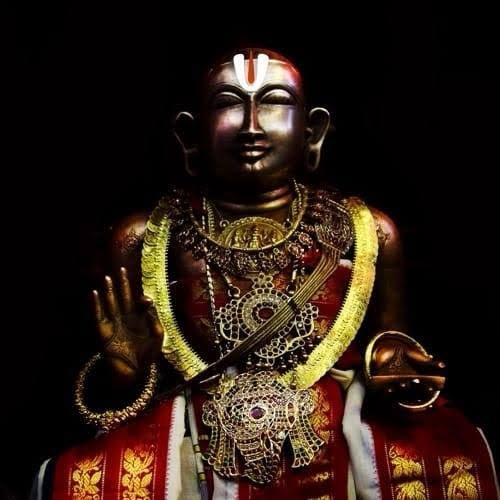
The Acharya and his student continued their dialogue as follows:
The Swami:
Dear one, your question is subtle and worthy of deep reflection. You say that calling the Veda “apauruṣeya” seems like a human attribution, a mental concept applied by human intellect. But hear me out carefully:
The Veda is not an object of mere human speculation or imagination. It is eternal and beginningless, without origin. It is the very breath of the Brahman or Bhagavan, existing inseparably with Him as His eternal knowledge and will.
Just as you cannot say the sun is “dazzling bright” because your mind decides so, but because the sun itself shines and dazzles by its very own nature, similarly the Veda’s divinity too is not imposed by human thought or agency.
Student:
Swami, then how do we reconcile this with the fact that to understand or describe something as divine, some human act surely must be there?
Swami:
Yes, recognizing the divine nature does involve your intellect. But intellect, when purified and guided by true knowledge and grace, does not create the divinity; it merely perceives what is already perfectly real and self-existent.
The intellect’s role is like a mirror reflecting the sun’s rays—it does not create the light, it simply reveals it.
The Veda’s status as apauruṣeya is an objective truth revealed through the sampradāya and the authentic teachings of realized beings, not a subjective label applied arbitrarily.
Student:
Is it then the recognition of the Veda’s authority itself fallible as it is being linked to human intellect?
Swami:
In the case of the realm of ordinary empirical knowledge (vyāvahārika jñānam) of worldly matters, human intellect is fallible.
But revealed knowledge embodied in the Veda transcends the fallibilities of ordinary cognition. It comes from the supreme source, and the scriptures themselves affirm their own eternality and infallibility. What holds good in the former domain does not hold good in the latter realm of ultimate or revealed knowledge (śāstrīya jñānam).
Student: Swamin, what did you mean by “sampradāya and the authentic teachings of realized beings”? Could you please contextualise it?
Swami: Viśiṣṭādvaita distinguishes between constructed knowledge (kalpita-jñāna) and revealed knowledge (śruti-jñāna).
The example you gave — calling or “attributing” to an object “divine beauty” — belongs to the former, where the mind synthesizes impressions.
The apauruṣeyatva of the Veda, however, is part of the latter, which transcends mental construction.
The human intellect, when guided by śraddhā (faith) and ācāryopadeśa (instructions from an Acharya), becomes a transparent instrument for that higher revelation to be manifested, not manufactured.
Thus, the Veda is not a human composition, but the eternal divine utterance through which the Lord’s will is eternally expressed.
Student:
So, Swami, the Veda’s divine origin is not a mental attribution but an ontological reality?
Swami:
Exactly! In the Viśiṣṭādvaita view, all that exists has Brahman as its inner reality. The Veda is a mode of Brahman’s perfection and knowledge.
When your intellect comprehends this, it is participating in that supreme reality, not inventing it.
To summarise, know this that to call the Veda apauruṣeya is not our act of conferring divinity upon it for it is an act of recognizing the Lord’s eternal word, shining through the ages. The intellect, cleansed by grace (anugraha), mirrors the truth; it does not manufacture it.”
Be assured, dear one, the doubt you have raised is the doorway to deeper realization. The path of surrender and study, under the guidance of the Guru and through unshakable faith in the Veda’s divinity, will remove it entirely.
**************
Swami Vedanta Desikan himself in one very profound shloka in a Sanskrit hymn composed by him as “Sri Hayagreeva Stotram” (Verse 6) , expresses with utter humility his own sheer fascination for the concept of “apaurusheyam” of the Veda:

“apauruṣēyairapi vākprapañcaiḥ
adyāpi tē bhūtimadr̥ṣṭapārāṁ
stuvannahaṁ mugdha iti tvayaiva
kāruṇyatō nātha kaṭākṣaṇīyaḥ”||
Gist :
Even with the utterances of the Vedas — which are apauruṣeya (not of human origin) and boundless in expression — even today, O Lord, Your glory remains unfathomable and beyond their reach.
As I, simple and ignorant though I am, attempt to praise You with their words, but it is by Your compassion alone (Karunya) that I may become worthy of Your gracious glance”.
The word apauruṣeya in the shloka above refers to the Vedas, considered not authored by any person. The poet contrasts the Vedas’ inability to fully describe the Divine’s majesty with his own humble attempts to understand, implying that divine grace (kaṭākṣa — a merciful glance) alone can make even the smallest act of devotion of the spiritual seeker meaningful and bestow true understanding.
“Sarvam Sri krishnaarpanam”
(Concluded)
Sudarshan Madabushi
****************
Here below is the full dialogue rendered into Tamil:
ஸ்வாமி:
கணியாணவனே, உன் கேள்வி மிகவும் நுணுக்கமானது மற்றும் ஆழ்ந்த சிந்தனைக்குக் கூடியது. நீ கூறுகிறாய், வேதத்தை’அபௌருஷேயம்’ என்று கூறுவது என்பது மனித அறிவின் ஒரு பண்பாகவே உள்ளது என்று. அதை உணர்ந்து கொள்ள இங்கே கவனி:
வேதம் என்பது சாதாரணமான மனிதர் ஆராய்ச்சிக்கோ, கற்பனைக்கோ உட்பட்ட பொருள் அல்ல.
அது நித்தியம் மற்றும் அனாதி, பிறப்பற்றது. அது பரமானந்தஸ்வாமியின் உயிர் நுட்ப ஆழத்தோடு இணைந்திருக்கும் நித்திய அறிவும்)(நியாமகத் தன்னிடமும் ஆகும்.
உன் மனத்தால் சூரியன் “ஒளிர்வதாக” நான் சொல்லினால், அது ஒளிர்வது அல்ல, ஆனாலும் சூரியன் தன் இயல்பினாலே ஒளிர்கிறது. அதுபோல், வேதத்தின் தெய்வீக தன்மை மனித சிந்தனையால் அமைக்கப்படவில்லை.]
ஆசாரியர்:
ஆமாம் ஸ்வாமி, ஆனால் எந்த பொருளையும் ‘தெய்வீகமாக’ அறிவதும் சொல்லுவதும் மனித அறிவால் நடக்கும் செயல்களே அல்லவா?
ஸ்வாமி:
ஆம், தெய்வீகமான பண்பைக் காண்பது உன் அறிவின் செயல் தான். ஆனால் அந்த அறிவு தூய்மையடைந்த, சிரத்தா (நம்பிக்கை) மற்றும் ஆசாரியர் உபதேசத்தால் வழிநுட்பப்பட்ட நேர்மையான அறிவாகும். அது தெய்வீகத்தை உருவாக்காது; உள்ளதையே தெளிவாகப் பார்ப்பதே ஆகும்.
அறிவின் பணி சூரிய ஒளியை பிரதிபலிக்கும் கண்ணாடி போன்றது. ஒளியை உருவாக்கவில்லை; வெளிப்படுத்துகிறது.
வேதம் அபௌருஷேயம் என்ற நிலை உண்மையாக இருக்கும்; அது சம்பிரதாயம் மற்றும் உயிர்த்திருவாளர் உபதேசங்களால் வெளிப்படுகிறது; மனிதக் கருத்து ஒன்று அல்ல.]
ஆசாரியர்:
பிறகு, வேதத்தின் அதிகாரத்தை அறிவது, அது மனித அறிவால் தொடர்புடையதெனில் அது பிழையானதா?
ஸ்வாமி:
வ்யாவஹாரிக அறிவு, அதாவது உலக விவர அனுபவ அறிவு, எப்போதும் பிழைகளை கொண்டிருக்கலாம்.
ஆனால் வேதத்தின் சுருதி ஜ்ஞானம் இந்தப் பிழைகளைக் கடந்து நின்று, பரமேஸ்வரர் மேற்கொண்டதாய் நிரூபிக்கப்பட்டது. இவ்வித அறிவின் நிலை முற்றிலும் வேறுபடுகிறது.]
ஆசாரியர்:
“சம்பிரதாயமும் உயிர்த்திருவாளர் உபதேசங்கள்” என்றால் என்ன? அதனை விளக்கமளிக்க முடியுமா?
ஸ்வாமி:
விசிஷ்டாத்வைதம், ‘கற்பித ஜ்ஞானம்’ மற்றும் ‘சுருதி ஜ்ஞானம்’ என்று அறிவவை வேறுபடுத்துகிறது.
நீ எடுத்துக் காட்டியது, “அழகில் தெய்வீகமானது” என்று கருத்திடுவது “கற்பித ஜ்ஞானம்” ஆகும்.
ஆனால் வேதத்தின் அபௌருஷேய தன்மை, மனதின் கல்பிதங்களைத் கடந்தும், சுருதி ஜ்ஞானத்தின்பகுதி.
அதனை உணர்த்தும் அறிவு மாற்றார்ந்தது அல்ல; அது தாயாரான சிரத்தா மற்றும் ஆசாரியர் உபதேசங்கள் வழியால் காப்பாற்றப்படுகிறது.
வேதம் மனிதன் உருவாக்கியதல்ல; அது பரமானந்தரின் நித்திய சிருஷ்டிசொல்.
ஆசாரியர்:
அதனால் ஸ்வாமி, வேதத்தின் தெய்வீக தோற்றம் ஒரு மனதாராக வெளிப்படுவது அல்ல, ஒரு உண்மையான நிலையே?
ஸ்வாமி:
சரி! விசிஷ்டாத்வைதத்தின்படி, அனைத்தும் பரமானந்தனுடைய அந்தரங்கப் பொருள். வேதம் அவருடைய பூரண அறிவின் வெளிப்பாடுகள்.
உன் அறிவு இதைப் புரிந்து கொண்டால், அது உருவாக்குவதாக இல்லை; இன்ப நிலையைச் சேருவதாகும்.
இப்பொழுது தெரிவித்துள்ளார்: வேதத்தை அபௌருஷேயம் என்று அழைப்பது, அதற்கு தெய்வீகம் சேர்ப்பது அல்ல, அது இறைவனதுஎப்போதும் ஒளிரும் வார்த்தையை அங்கீகரிப்பதாகும்.
அறிவை அனுக்ரஹம் தூய்மையாக்கும் போது உண்மையை பிரதிபலிக்கும்; உருவாக்காது.]
ஸ்வாமி:
கணியாணவனே, உன் சந்தேகம் ஆழ்ந்த உண்மையை அருளும் கதவு. ஆசாரியரின் அருளோடு, மிகுந்த நம்பிக்கையுடனும், வேதத்தின் தெய்வீகத்திலும் தளராமலான பக்தியுடனும் நீ பயணத்தைக் கொடுத்து, இந்த சந்தேகம் முற்றிலும் அகற்றப்படும்.
***************

ஸ்ரீ ஹயகரீவ ஸ்தோத்திரத்தின் ஆறாவது பாடலில்…
விதி பேரருள் பரப்பும் பரம்பொருள் வேதங்களின் அபௌருஷேய இயல்பு பெருமை, இன்பம் பரிந்து உயிர்க்கும் ஆராதனையாகி உள்ளது. அந்த வேத அறிவின் ஆத்மார்த்தம் உன்னை, ஓ தண்டகர்ணனே, இன்னும் சொல்ல முடியாதது; நான் அந்த வேத வாக்குகளால் உன்னை சிர்ஞ்சொழிய முயல்வினும், ஆனாலும், என் இகழ்ச்சியற்ற பக்தியிற்க்கும் உன் பரிசுத்தக் கருணைத் தானே விழித்தளிக்கும். அதுவே என் மனதின் தாரகையைமை. உன்னால் மட்டுமே என் நன்மை சூடம் பெருகும்.
சர்வம் ஸ்ரீ கிருஷ்ணார்ப்பணம்
(முடிவு)
Sudarshan Madabushi