…. Because at any time you visit my private home-library, on the shelves you will find at least half a dozen books lying around gathering a bit of dust, and all still waiting for me to pick them up and finish reading …
Amongst them a few would still be smelling of fresh page-unopened print-aroma that wafts around the posh roomy bookstores one visits … others, would be half-read … others with pages filled with the graffiti of my “on the margin” scrawls … and all still though would be waiting to have their last page turned and cover shut .
That’s the Anti Library that Nassim Taleb talks about below ⬇️… and it makes me so proud of my own private one at home .
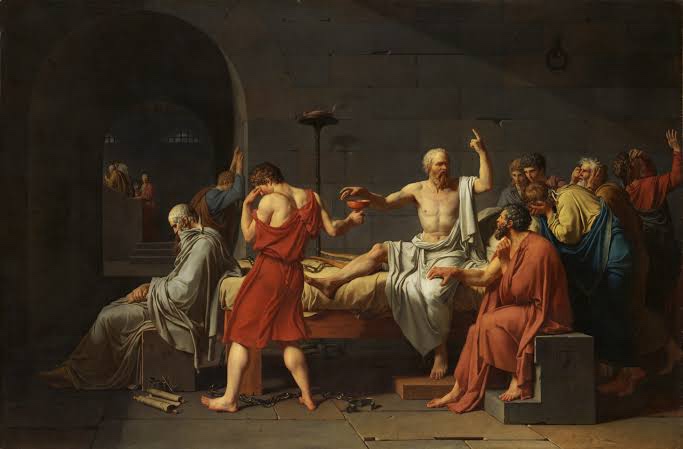
My library is nowhere as huge as Umberto Eco’s — 30,000! — but it’s certainly way well over 300 … And it’s big enough to make me feel small and even humbler all my life than ever before, and with that classic Socratic thought stuck, deeply, firmly and constantly inside my mind : “All that I know is that I know nothing”.
The Death of Socrates
Sudarshan Madabushi
*********
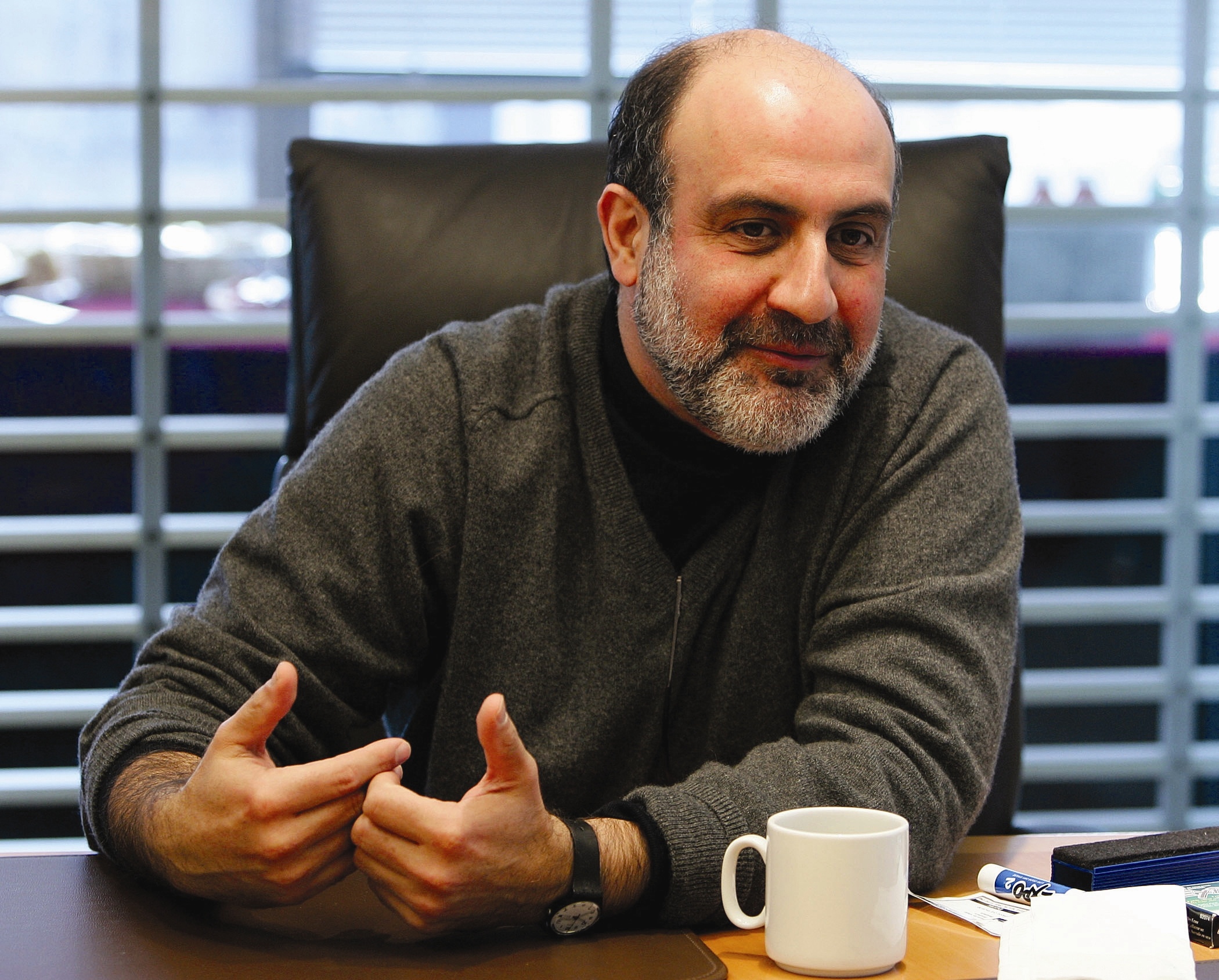
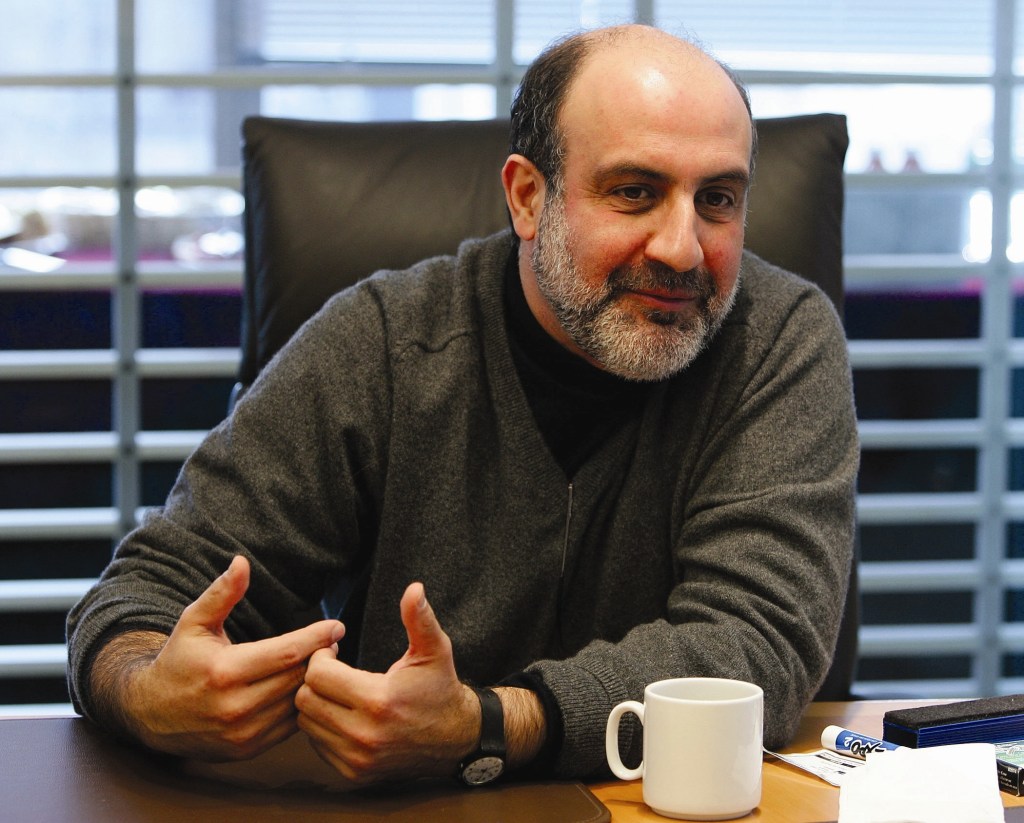
Nassim Taleb
The Anti-Library
This story offers an interesting solution to protect yourself against negative black swans. The solution is to build what Taleb calls an “antilibrary”.
🟠 Nassim Nicholas Taleb:
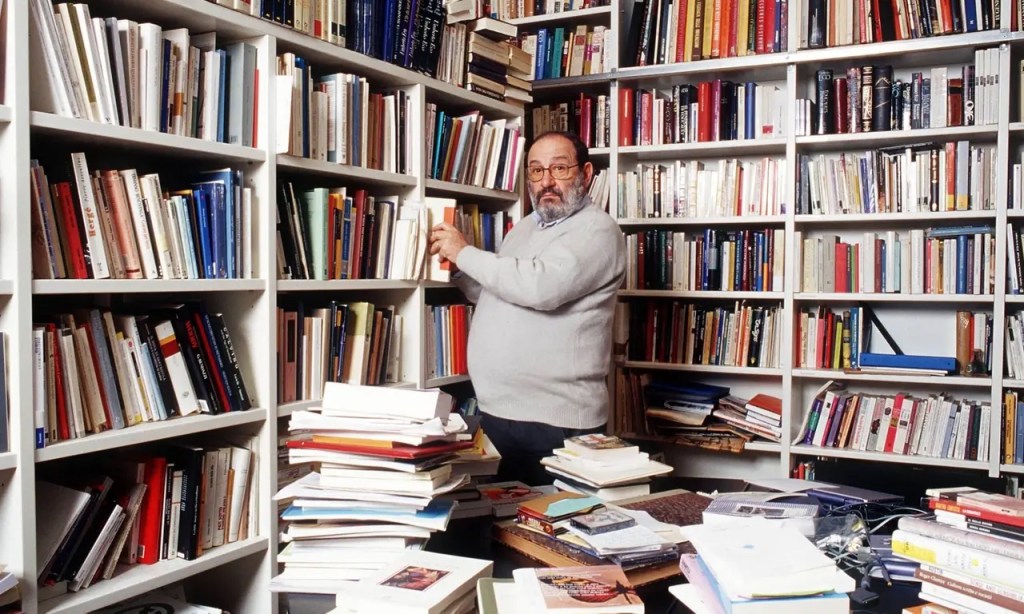
The writer Umberto Eco belongs to that small class of scholars who are encyclopedic, insightful, and nondull. He is the owner of a large personal library (containing thirty thousand books), and separates visitors into two categories: those who react with “Wow! Signore professore dottore Eco, what a library you have! How many of these books have you read?” and the others—a very small minority—who get the point that a private library is not an ego-boosting appendage but a research tool. Read books are far less valuable than unread ones. The library should contain as much of what you do not know as your financial means, mortgage rates, and the currently tight real-estate market allow you to put there. You will accumulate more knowledge and more books as you grow older, and the growing number of unread books on the shelves will look at you menacingly. Indeed, the more you know, the larger the rows of unread books. Let us call this collection of unread books an antilibrary.
Umberto Eco
We tend to treat our knowledge as personal property to be protected and defended. It is an ornament that allows us to rise in the pecking order. So this tendency to offend Eco’s library sensibility by focusing on the known is a human bias that extends to our mental operations. People don’t walk around with anti-résumés telling you what they have not studied or experienced (it’s the job of their competitors to do that), but it would be nice if they did. Just as we need to stand library logic on its head, we will work on standing knowledge itself on its head. Note that the Black Swan comes from our misunderstanding of the likelihood of surprises, those unread books, because we take what we know a little too seriously.
Let us call an antischolar a skeptical empiricist. Someone who focuses on the unread books, and makes an attempt not to treat his knowledge as a treasure, or even a possession, or even a self-esteem enhancement device.
Charlie Munger has a great line on this idea of not treating your knowledge as a treasure: “Any year that passes in which you don’t destroy one of your best loved ideas is a wasted year.”
And the co-founder of Airbnb Brian Chesky also talks about this idea of never settling with what you currently know, and always being in a place of becoming…
🟠 Brian Chesky:
I think that that is the key. It’s learning, it’s growing, it’s curiosity, it’s constantly having that hunger and that fire to always want to be better, to feel like I haven’t made it yet.
The reason I say I haven’t made it yet is because if I’ve made it, then I’m done.
And I want to feel like an artist. Bob Dylan used to say an artist has to be in a constant place of becoming. And so long as they don’t become something, then they’re gonna be okay.