

What a fascinating Infograph indeed on the Freudian stuff that the Dreams of the whole world is about!
If you study the map closely, you will not fail to notice that nearly the whole of world populations have either the “Snake” or the “Falling of Teeth“ to be objects appearing as recurring themes in their dreams.
This colourful Map of Dreams of the World set me thinking and imagining what it would tell Sigmund Freud and Carl Jung if shown today to both! To the best of my limited knowledge of of Freud’s “Interpretation of Dreams” and other seminal works of western psychiatrists such as Carl Jung’s… (and, yes, based upon a little quick search of AI online resources too)… I have been able to piece together below a broadly Vedantic commentary on what these most recurring themes experienced in dreams by people in those countries. And from the commentary, I believe it is possible to infer their innate psychic makeup and, perhaps, national character too.
**** ****
In Freud’s The Interpretation of Dreams, recurring dream symbols like snakes and teeth falling out are analyzed as manifestations of repressed unconscious desires, primarily sexual in nature, disguised through processes like condensation and displacement.
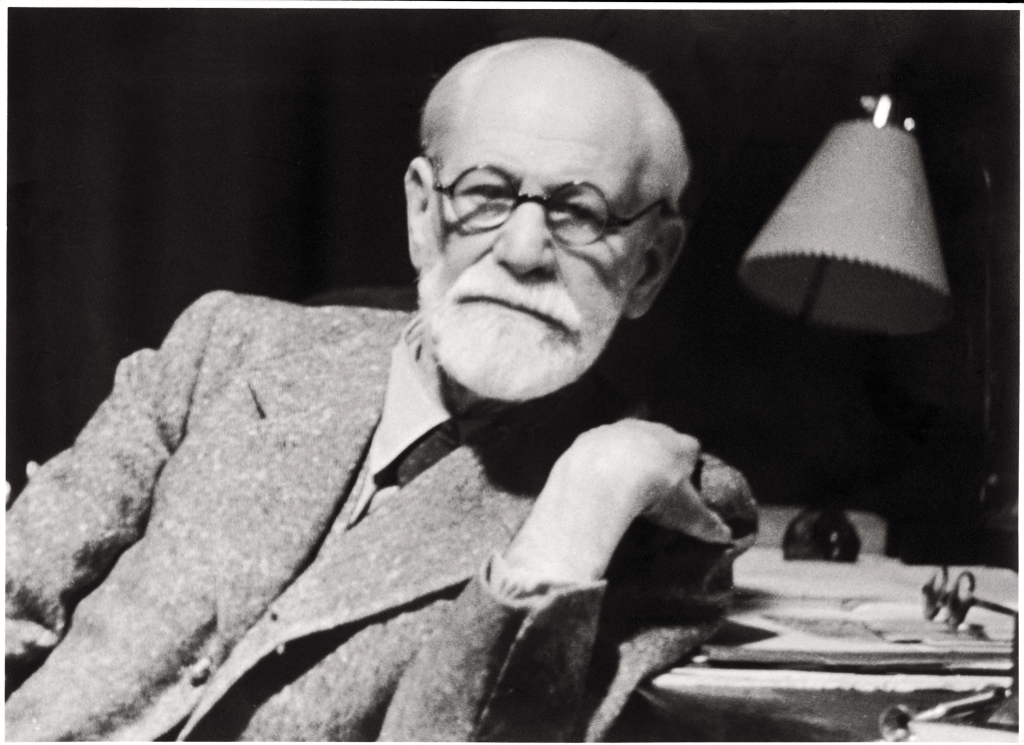
Freud viewed the snake as a classic phallic symbol, representing the male genitalia or repressed sexual urges and anxieties. It often signals latent libidinal energy or fears related to potency, castration anxiety, or forbidden attractions, emerging in dreams to fulfill wishes indirectly. The snake’s threatening or seductive presence in recurring dreams underscores unresolved Oedipal conflicts or power dynamics in the dreamer’s psyche.
Dreams of teeth crumbling or falling out symbolize castration anxiety, loss of virility, or punishment for sexual/masturbatory impulses, per Freud’s framework. They reflect deep-seated fears of impotence, aging, or bodily disintegration tied to repressed guilt over autoerotic tendencies. Recurrence points to the dream-work’s failure to fully resolve these primal anxieties, with teeth as displaced symbols of vitality or aggression.
Freud explained repetition of both symbols in dreams as the unconscious persistently attempting to process trauma or wish-fulfillment, often linked to neurotic patterns. These motifs endure until the latent content surfaces in analysis, allowing integration.
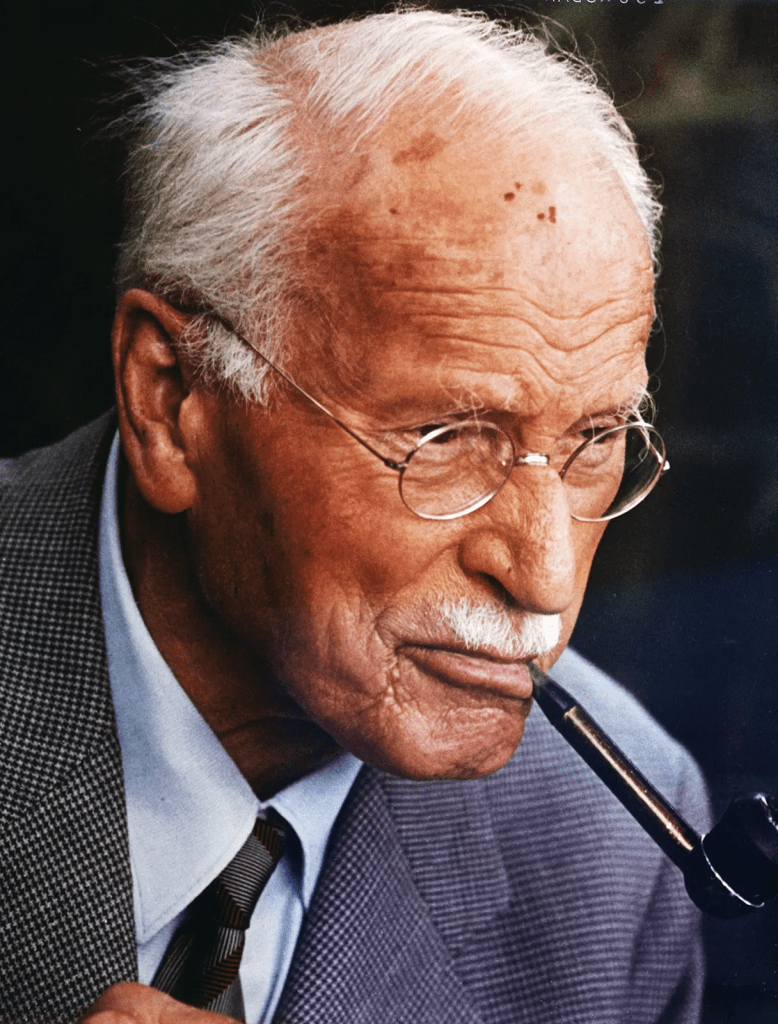
Carl Jung’s interpretation of snake dreams and teeth falling out markedly diverges from Freud’s by emphasizing archetypal, collective unconscious symbolism over purely personal sexual repression. He interpreted snakes as multifaceted archetypes representing transformation (e.g., shedding skin for renewal), healing (like the caduceus), wisdom, and the integration of opposites—instinct versus spirit, shadow self, or the unconscious rising to consciousness. Jung connected them to the reptilian brain, autonomic instincts, and processes of individuation, where the snake signals personal growth or confrontation with the psyche’s dual nature (life/death, good/evil). He interpreted teeth falling out as akin to a child losing baby teeth, representing the painful yet necessary shedding of the old self to birth a new identity or phase of growth. This ties into individuation—the psyche’s drive toward wholeness—where the dream signals confronting repressed emotions, the shadow self, or unresolved conflicts during major life transitions.
Freud’s is reductionist and individual/sexual; Jung’s is universal, cultural, and spiritual. Freudian theory is linked to wish-fulfillment/disguise; Jungian theory is linked to self-realization and wholeness. Jung stresses the dreamer’s emotional response and personal associations over any fixed psychic meanings. Freud linked the dream symbols to genital fears or impotence; Jung emphasized the same objects as symbols of renewal, personal evolution, and integrating unconscious aspects over literal sexual loss. Jung prioritized the dreamer’s context and emotions, viewing it as a compensatory message from the collective unconscious rather than disguised personal or libidinal wishes.
***********
While both Freud and Jung theorised upon primal, deep-seated secrets of the human psyche, one might still ask a question : “Which theory appears more compelling and credible”? This is where, in my view, Vedanta comes in…
Modern Clinical Psychiatry is really not too far removed from timeless Vedanta Philosophy if one compares both the Freudian and Jungian theories with what the Bhagavath Gita adumbrated about the primal sex-instinct. By implication, it seems to us today, that the dream-world symbolism both Freud or Jung theories constructed are, in fact, simply louder elaborations/exemplifications of the Gita’s own Vedantic psychiatry. After all, battlefield of Kurukshetra was indeed, in a metaphoric sense, the counselling-couch of modern clinical practice wherein Lord Krishna was the psychiatrist and Arjuna was the patient.

Bhagavad Gita 3.37 directly addresses the primal, irrepressible force of lust (kāma)—the powerful psychic drive akin to Freud’s sex instinct—as the all-devouring enemy that deludes and overpowers even the wise.
काऽम एष क् रोध एष रजोगुणसमुद्भवः।
महाशनो महापाप्मा वैनमेव व्यपाश्रितः॥
kāma eṣa krodha eṣa rajo-guṇa-samudbhavaḥ
mahāśano mahā-pāpmā vairaṇo hy eṇaṃ nāśrayet
Gist: The Lord said: It is Lust alone, born of the mode of passion, which transforms into wrath; it is the all-consuming, great sinner—know this as the foe here.
Krishna identifies kāma (lust/desire for sense objects) as arising from rajoguna (primal passion), so voracious it devours wisdom and reason, and turning to anger when thwarted or frustrated — mirroring the irrepressible sexual urge (of which the “Snake” and “Teeth falling out” according to Freud and Jung are dream-symbols). Its difficulty to conquer lies in its deceptive promise of intense sensuous pleasure, obscuring knowledge and binding the self to obsessive passion; only disciplined practice and detachment can overcome it (which subsequent verses like 3.41 in the Bhagavath Gita are explained).
What is even more interesting to note is that Krishna, the Universal Vedantic Psychiatrist, further in the Bhagavath Gita goes on to underscore the cosmic or transcendental dimension to conquering Sexual Lust.
Krishna declares in Bhagavad Gita 7.8 that He is the essence (pauruṣaṃ)—often rendered as virility, manly vigor, or vital seed or sexual juices —in all men and women, encompassing the generative life force akin to “retaḥ” or seminal essence.
रसोऽहमप्सु कौन्तेय प्रभास्मि शशिसूर्ययोः। प्रणवः सर्ववेदेषु शब्दः खे पौरुषं नृषु॥
raso ’ham apsu kaunteya prabhāsmi śaśi-sūryayoḥ | praṇavaḥ sarva-vedeṣu śabdaḥ khe pauruṣaṃ nṛṣu ||
Gist: O son of Kuntī, I am the taste in water, the radiance in moon and sun, the sacred syllable Oṃ in all Vedas, sound in ether, and “rethas” (virility/sexual prowess) in humans.
Pauruṣaṃ (from puruṣa, person/man) signifies heroic strength, potency, or generative capacity—the vital essence sustaining life and procreation—permeated by the divine. Krishna thus reveals Himself as the pure, underlying force in all beings’ vitality, distinct from lustful, loin-centric kāma described earlier in Verse 3.37. While Shloka 3.37 warns of lust (kāma) as the devouring enemy born of rajoguna, Verse 7.8 elevates regulated desire/virility (i.e. dharmāviruddhaḥ kāmaḥ in 7.11) as divine in nature when it is aligned with dharma (e.g., procreation), harmonizing primal sex-drive with transcendence.
Thus, the Bhagavatha Gita clearly does find echoes in Freud’s Libido theory but frames the primal drive cosmically i.e. Lust as a guṇa-force that has to be transcended by Man via yoga, aligning more with Jung’s transformative shadow integration than mere repression.
**** ****
Going back to the map above, we see that all of North America and much of South American populations have the Snake/Falling Teeth as recurring themes in their dreamworld. Most of Europe, Russia, West Asia, India and Australia also fall in the same category. The African continent is a mixed bag but even here along with the libidinous sexual pervasiveness of the Snake/Falling Teeth dream-symbols that are explicitly represented, in large countries like Nigeria and Ghana, Sex is explicitly portrayed as predominant dream-stuff in people’s minds while asleep. China as usual goes uncharted in this map since no survey of this kind would be allowed by government policy or administration there in that country.
**** ****
To conclude, what is the Vedantic moral of this fascinating map?
Well, in my understanding, the collective psyche of the entire world seems to be engaged in mass, titanic struggle with itself. In Freudian terms, the struggle is about deep unresolved Oedipal conflicts or power dynamics in the dreamer’s psyche; fears of impotence, aging, or bodily disintegration tied to repressed guilt over autoerotic tendencies; and failure to fully resolve primal anxieties, displacement of vitality or aggression. In Jungian terms, the struggle is all about the painful yet necessary shedding of the old self to birth a new identity or phase of growth. This ties into individuation—the psyche’s drive toward wholeness—where the dream signals confronting repressed emotions, the shadow self, or unresolved conflicts during major life transitions.
From a Vedantic psychiatric perspective, this struggle is classic human struggle to conquer dharmāviruddhaḥ kāmaḥ…
“Dharmāviruddhaḥ kāmaḥ” translates to “desire (kāmaḥ) not opposed to dharma,” a key phrase from Bhagavad Gītā 7.11, where Krishna describes himself as the desire in beings that aligns with righteousness and scriptural principles. This refers to legitimate urges, like regulated sense gratification (e.g., sex after a woman’s menstrual period or moderate eating for sustenance), that follow śāstra injunctions without defying dharma. It contrasts with passion (rajas) driven by unchecked attachment (kāma-rāga), emphasizing Kṛṣṇa’s presence even in permissible bodily needs.The Sanskrit term, “dharma-viruddhaḥ kāmaḥ” is the precise opposite: desire conflicting with dharma, such as illicit or unregulated sense pleasure violating religious codes. This unlawful kāma lacks divine sanction and binds the soul to saṁsāra… human bondage.
Between Signmund Freud and Carl Jung, whose psychiatry might be closer or more akin to Vedantic psychiatry? Now, that is a tantalising question the reader must himself or herself figure out.
***** *****
Sudarshan Madabushi