Tag Archives: Bhagavath Gita
Sound as the Beginning—and End—of Vedic Metaphysics: A Modern Recapitulation offered by Sundar Sarukkai

The Veda calls itself the breath of the Veda-Puruṣa, creation a continuum of sound—yet the Upaniṣad says, “from which words turn back with the mind.”
Is this a contradiction?
This essay moves from Sundar Sarukkai’s modern restatement to the Gītā, Taittirīya Śikṣā and Ānanda Valli, and the Viṣṇu Sūkta, showing how Advaita reads the end as silent awareness and Viśiṣṭādvaita as eternal praise in Vaikuṇṭha.
மூன்று சொற்கள், ஒரு சரணாகதி
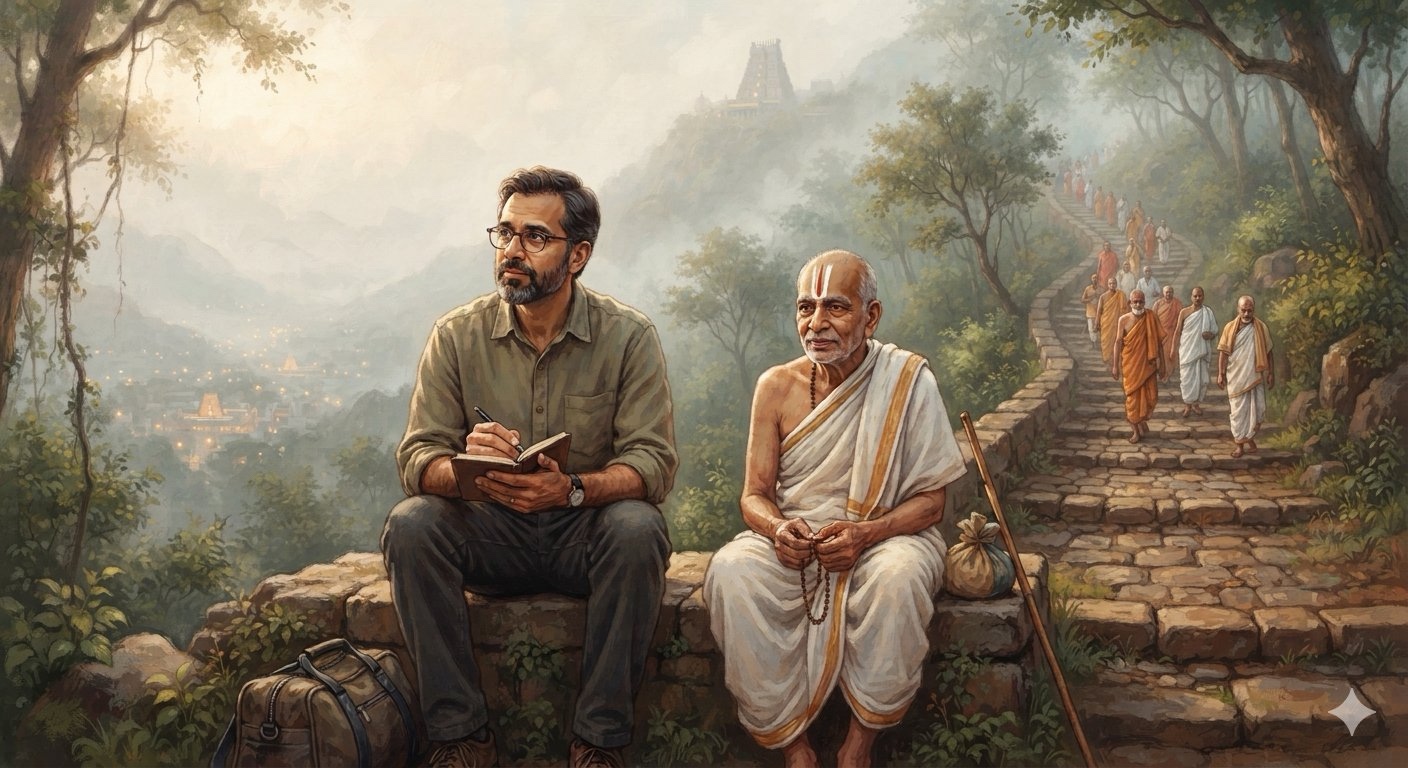
சரணாகதி, பிரபத்தி, நியாசம் — இவை மூன்றும் ஒரே பொருளா, அல்லது ஒரே ஆன்மிக இயக்கத்தின் மூன்று முகங்களா?
திருமலை மலைப்பாதையில் ஒரு பேராசிரியரும் அறியப்படாத ஸ்ரீவைஷ்ணவரும் நடத்தும் உரையாடல், பக்தி, வேதாந்தம் மற்றும் பல மரபுகளில் சரணாகதி எப்படிப் புரிகிறது என்பதை எளிய, விளக்கமான தொனியில் திறக்கிறது.
The Twin Pillars of “Bharatiya Sanskriti”: Mapping the “Purusharthas” through Epic Thesis and Anti-Thesis, the “Yin and the Yang”
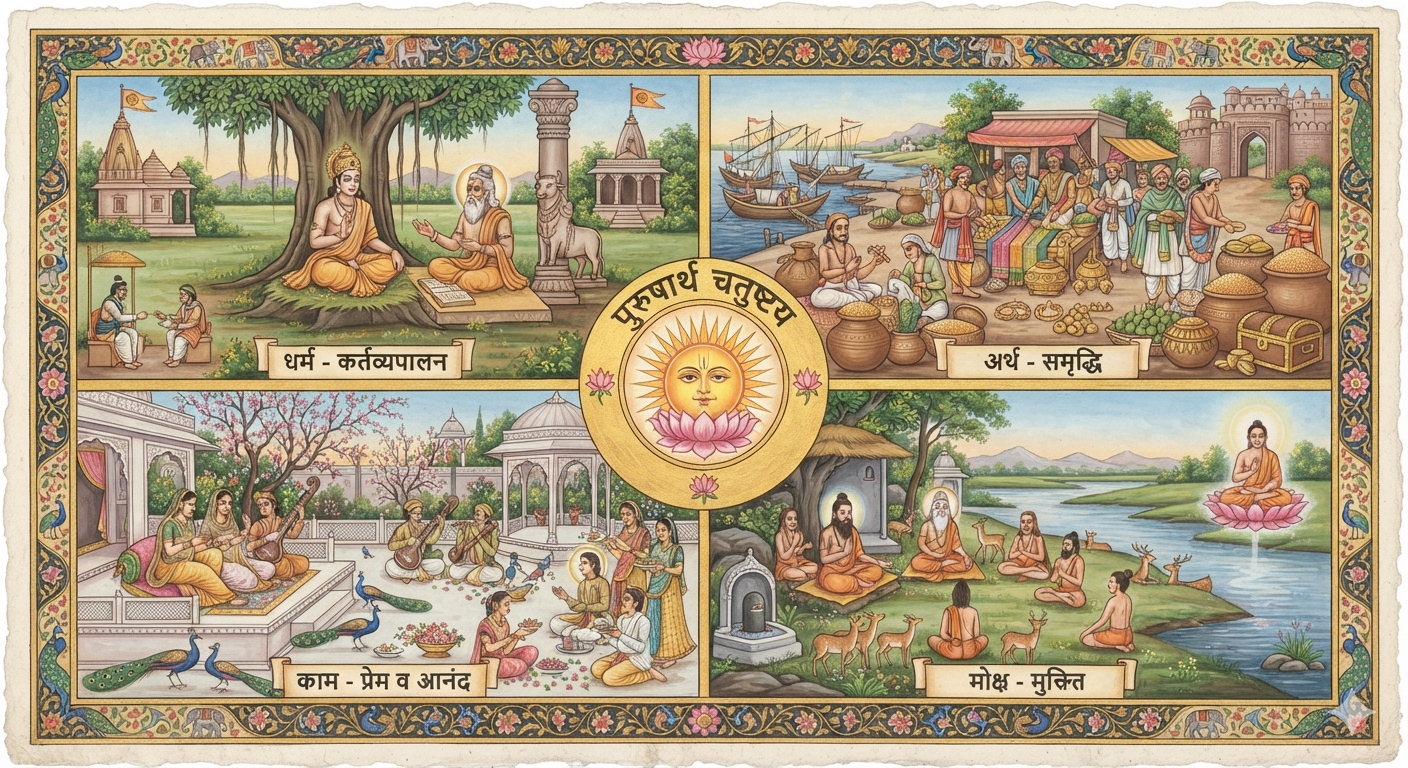
by M.K.Sudarshan August 12, 2026: Chennai, India 📌 At a Glance: The Architecture of Indian Civilization “What is Bharatiya Sanskriti? Look no further than the two epics. The Ramayana is all about what Dharma is, and the Mahabharata is all about what Dharma is not.” ⚖️ DHARMA (Virtue): The unyielding standard of absolute self-sacrifice (Rama’s exile)Continue reading “The Twin Pillars of “Bharatiya Sanskriti”: Mapping the “Purusharthas” through Epic Thesis and Anti-Thesis, the “Yin and the Yang””
“Ekam sath viprah: bahudah vadanti”: is not about Inclusivity but Universality
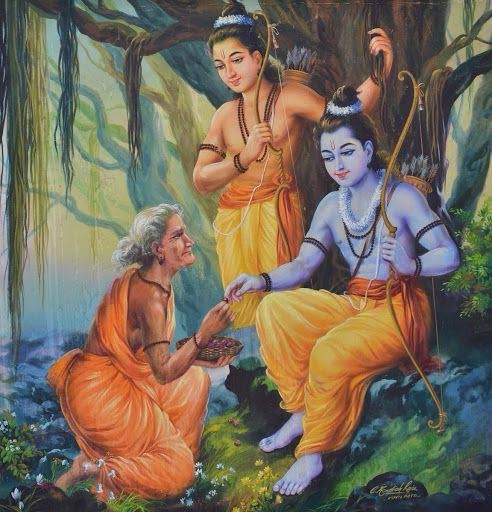
Arguing that the Rg Veda’s ideal of “Ekam Sath” is not an inclusive one and that it refers only to the various gods mentioned in a specific line of the concerned Rg Veda text is founded on misunderstanding. If the argument is to be accepted then the Universality of the very idea of Dharma upon which the Vedic Faith is founded gets negated!
How Manu Smriti Served Liberal Historians and Social Anthropologists as a Handy Tool to Stigmatise Indian “Patriarchy” as Misogynistic (Part 3 & 4) Concluded

By M.K.Sudarshan Chennai, India : June 22, 2026 Part III: How Liberal Historians Perpetuated the Colonial MythThe Continuation of Orientalist Narrative Post-independence, liberal historians and social anthropologists continued the British Orientalist narrative rather than correcting it: Key Figures: • Dr. B.R. Ambedkar (1920s–1950s): Blamed Manu for caste oppression; burned Manu copies (1927)• Uma Chakravarti: “BrahmanicalContinue reading “How Manu Smriti Served Liberal Historians and Social Anthropologists as a Handy Tool to Stigmatise Indian “Patriarchy” as Misogynistic (Part 3 & 4) Concluded”
How Manu Smriti Served Liberal Historians and Social Anthropologists as a Handy Tool to Stigmatise Indian “Patriarchy” as Misogynistic (Part 2 of 4)

By M.K.Sudarshan Chennai, India : June 22, 2026 Part II: How British Colonial Orientalism Made Manu “Canonical”The British Imperial Purpose The elevation of Manu Smriti to “preeminent Hindu law” was not accidental—it was a calculated imperial strategy serving three purposes: Purpose #1: Simplify Governance• British administrators needed a “single code” for Hindu law• Manu providedContinue reading “How Manu Smriti Served Liberal Historians and Social Anthropologists as a Handy Tool to Stigmatise Indian “Patriarchy” as Misogynistic (Part 2 of 4)”
Kārpaṇyam, Kārpaṇya-doṣham, and the Study of Prapatti: Reading Rahasya Traya Sāram in its Proper Pedagogical Constellation

श्रीमान् वेङ्कटनाथार्यः कवितार्किककेसरी ।वेदान्ताचार्यवर्यो मे सन्निधत्तां सदा हृदि ॥ Śrīmān veṅkaṭanāthāryaḥ kavitārkikakesarī |Vedāntācāryavaryo me sannidhattāṁ sadā hṛdi || Meaning: May the glorious Venkatanatha, the lion among poets and logicians, and the supreme master of Vedanta, always reside in my heart. Overview The most compelling scriptural prelude to the doctrine of prapatti is found not in aContinue reading “Kārpaṇyam, Kārpaṇya-doṣham, and the Study of Prapatti: Reading Rahasya Traya Sāram in its Proper Pedagogical Constellation”
Sri Krishna dialogues with the “Unknown Sri Vaishnava”: On modern Friendship
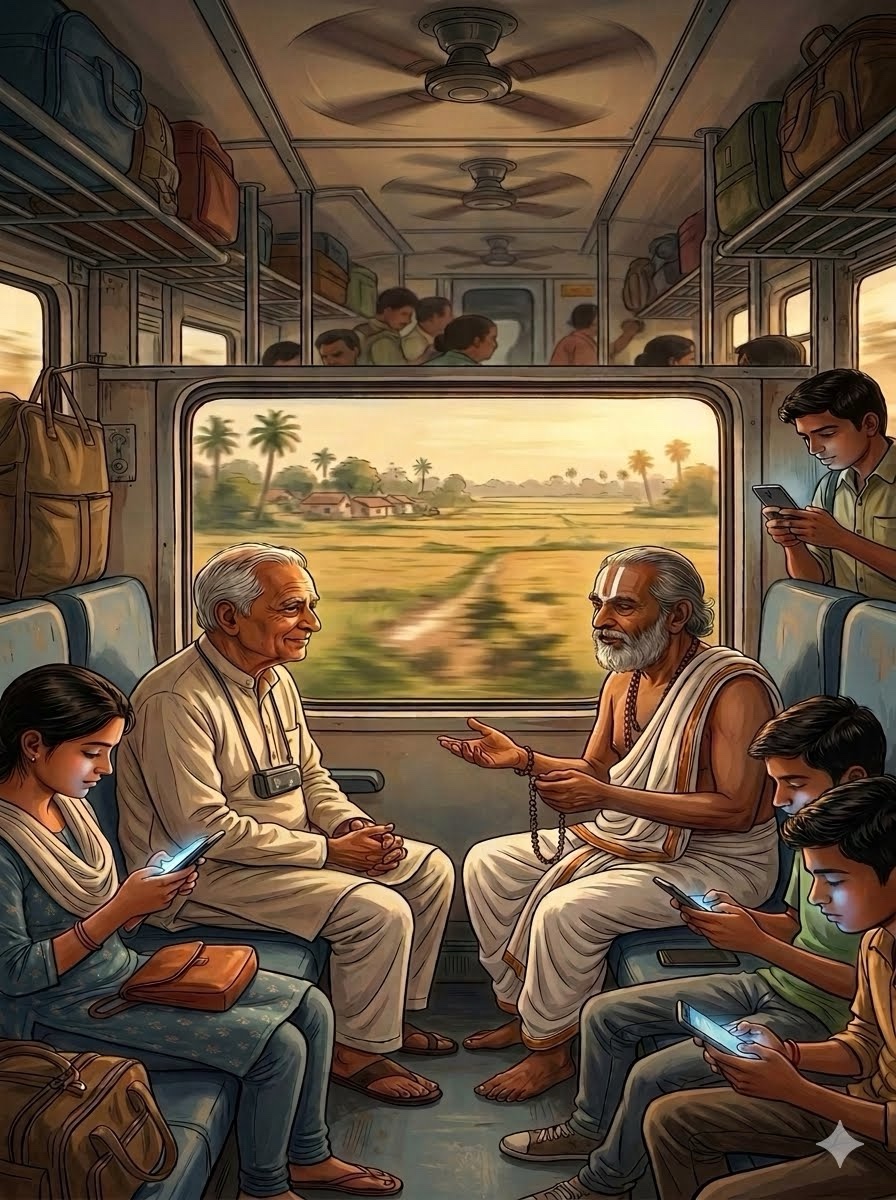
-Part I– The train was already moving past the suburbs when Krishna looked up from the window and sighed. “Look at them,” he said softly. “All these young people seated so close to one another, and yet each seems miles away. No one speaks. Their eyes are lowered, their thumbs are busy, and their facesContinue reading “Sri Krishna dialogues with the “Unknown Sri Vaishnava”: On modern Friendship”
The Arc of a Brave New 22nd Century World… the Bhagavad Gītā, and the Bible – Part 3 (CONCLUDED)

Confronted with such a pattern, it is unsurprising that two great scriptures of the world — one recent in history, and the other very ancient — the Bible and the Bhagavad Gītā speak not in the language of dispassionate geopolitics, but in the idiom of divine justice and cosmic rectification. It is cruel irony, perhaps,Continue reading “The Arc of a Brave New 22nd Century World… the Bhagavad Gītā, and the Bible – Part 3 (CONCLUDED)”