Abstract
This essay argues that the central danger of artificial intelligence is not that it will acquire free will and rebel against humanity, but that it may gradually weaken the conditions under which human free will can be exercised.
AI reflects the values, fears, incentives, and biases embedded in its data, design, and institutions; at scale, it can amplify selected human tendencies and make them self-reinforcing. It may therefore become an extension of collective human ego—magnifying desires for profit, control, status, convenience, and certainty.
The essay examines the philosophical conflict between a Darwinian view of AI as evolutionary progress and a humanist view that places human dignity and agency at the centre. It also considers the economic risks of mass automation, including declining purchasing power, weakened demand, reduced tax revenue, and rising fiscal burdens.
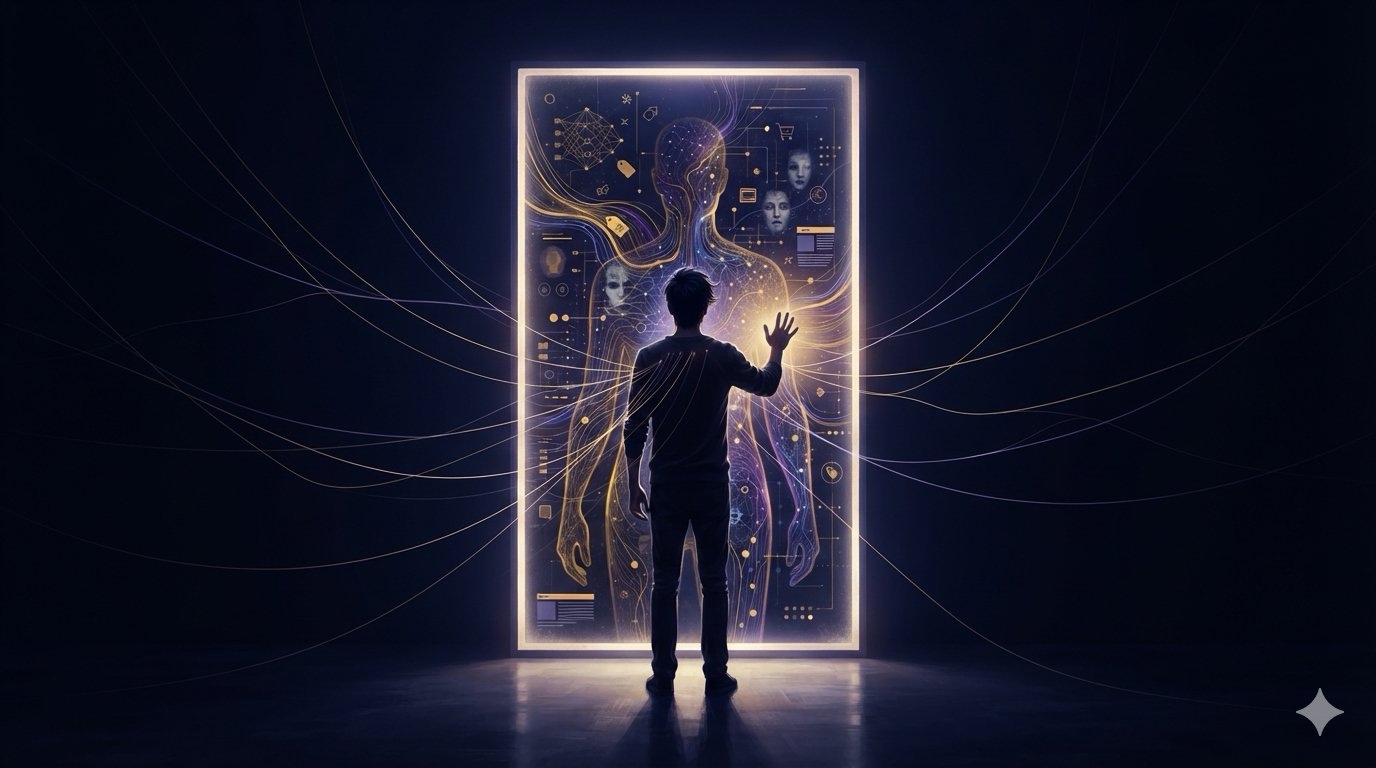
The deepest concern is that AI may not dominate people openly, but may narrow their choices, shape their attention, encourage dependence, and blur the distinction between authentic intention and algorithmically produced impulse.
The future of freedom will depend less on whether machines become conscious than on whether human beings retain the capacity to think, choose, and govern themselves.