தஞ்சைப் பகுதியில் நிலைச் சொந்தக்காரர்களையும் குத்தகைக்காரர்களையும் மேல்வாரம்,
குடிவாரம் என்று இன்றும் சொல்கிறார்கள். திருப்பாணாழ்வாரின் இந்தப் பாடலில் வாரம் வருகிறது.
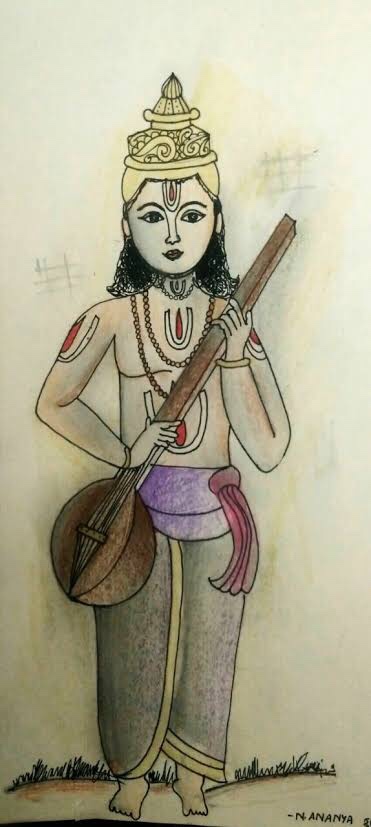
பாராமாய பழவினை பற்று அறுத்து என்னைத் தன் வாரம் ஆக்கி வைத்தான் வைத்தது அன்றி என் உள் புகுந்தான் கோர மாதவம் செய்தனன் கொல் அ
றியேன் அரங்கத்தம்மான் திரு ஆரமார்பதன்றோ அடியேனை ஆட்கொண்டதே.
சுமையாக நின்ற பழைய பாவங்களின் சம்பந்தத்தைத் தொலைத்து என்னைத் தன்னிடத்தில்
அன்புடையவனாகப் பண்ணிவைத்தான். அதுமட்டுமல்லாமல் என் இதயத்துக்குள் நுழைந்துவிட்டான். உக்ரமான தவம் ஏதாவது நான் முற்பிறவியில் செய்திருக்க வேண்டும், தெரியவில்லை. திருவரங்கனின் மார்பன்றோ என்னை ஆட்கொண்டது.
திருப்பாணாழ்வார் திவ்யப் பிரபந்தத்தில் பத்துப் பாடல்கள்தான் பாடியுள்ளார். பத்தும் முத்துக்கள்.
இந்த உருக்கமான பாடலில் உள்ள ‘வாரம்’ என்பதற்குப் பல பொருள்கள் உள்ளன. என்னைக்
குத்தகைக்கு எடுத்துக்கொண்டுவிட்டான். பகவான் எஜமானன், நான் அவரிடம் வாடகைக்கு இருக்கிறேன் என்கிற அர்த்தம் கவிதை நயமும் ஆழமும் மிக்கது. ‘பங்காகப் பற்றும்படி செய்தான்’ என்கிற பொருளும் வாரம் என்பதற்கு உண்டு. ‘வாரமாக ஓதுவார்கள்’ என்றால் நிஷ்டையாக நியமமாக ஓதுகிறவர்கள். ‘வாரம் நடப்பது’ என்பது கோயிலுக்குப்பிரார்த்தனை செய்துகொண்டு போவது. ‘வாரமோதல்’ என்பது உருச்சொல்வது. litany நியயமாகச் சொல்லுதல்.
‘வாரம் ஒரு பாசுரம்’ என்ற ஒரே ஒரு பிரயோகத்தில் மட்டும் இன்று இந்தச் சொல் முடங்கிக் கிடக்கிறது.
-************************
இப்படிப் பல படிமங்கள் கொண்ட சொல்லில் திருப்பாணாழ்வார் சொல்வது எந்த வாரம் என்பதை நீங்களே தீர்மானிக்கலாம்.
– சுஜாதா
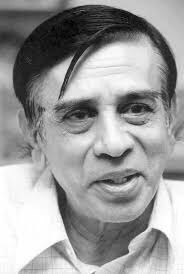
‘வாரம் ஒரு பாசுரம்’ என்னும் தலைப்பில் சுஜாதா ‘கல்கி’யில் எழுதிய கட்டுரைகளே இவை.
*********************
Sujatha’s “anubhavam” of “amalanadipiraan” 10 paasurams is so brief and yet so exquisitely expressed.
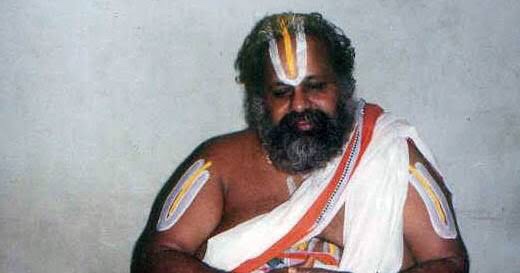
Reading Sujatha’s pithy but excellent essay above triggered within my own mind a flood of recollections of what I myself have heard from my “maanaseeka SadhAcharyan”, U. Ve. Sri Mukkur Lakshminarasimha Chariar (who attained “Parama padam” in 2000) about this hymn of Tiruppaan Azhwaar. I paraphrase below whatever I am able to recollect of what Sri Mukkur Swamy related to me about the “amalanadipiraan”.
Tiruppaanazhwaar sang only 10 verses . But so profound in Vedantic knowledge are they that they hold a very special place amongst all the 4000 divya Prabhandham hymns of the other Azhvaars.
He was of lowly caste … the chandaala group . Yet he possessed deep Vedic knowledge acquired through sheer mystically intuited Bhakthi bhaavam. This is evident from the way he chose … or rather was inspired … to compose the verses of the amalanaadipiraan.
Because he was an outcaste , he knew he was prohibited by the customs and traditions of his times to venture to articulate openly Vedic mantras , syllables , ideas or tenets. He was thus careful and respectful enough to ensure that his own Vedic visions of mystical insight were expressed not directly through “mantra dhristi” (the medium of “Veda shabdha”) but in veiled or cryptic phrases in the alternative “Devabhaasha” of exquisite Tamizh.
The first paasuram begins with the phrase “amalan Adi piraan “ the first syllable of which is “a” .
The second paasuram begins with the phrase “uvandha ullathanaai…” whose first syllable is “u”.
The 3rd paasuram begins with the phrase “mandhipaay vada Venkata…” whose first syllable is “m”.
If the first syllables of the first 3 paasurams are strung together one gets “a+u+m” = AUM the syllables of the sacred primordial mantra of “Pranava”” or “OM”!
The Azhwar thus prefaced his whole hymn with the Vedic mantra chant of “OM” without articulating it… and it was out of deep unquestioning respect for the ageless Vedic belief-system which holds that those who have not been initiated into the Gayatri mantra and do not bear the sacred thread of “yagnyopaveetham” should desist from intoning mantras including “Pranavam”.
For Sri Vaishnavas the summum bonum (“parama purushaartham”) of life is to attain “Parama padam”… the realm of the eternal abode of Sriman Naaraayana … It is symbolised by the sacred Feet 👣 or “tiruvadi “ of the Almighty … and the symbolism gets expressed in the hallowed phrase “Sriman naaraayana charanow sharanam prapadye…”
The esoteric symbolism of the same “tiruvadi” is seen to be very cryptically and beautifully embedded in the Amalanadipiraan by the Azhwaar’s verses.
The first phrase of the 5th paasuram is “paaramaaya pazhavinai…” whose first syllable is “pa”.
The first phrase of the 6th paasuram is “Thunda van pirayan…” whose first syllable is “thu” .
The first phrase of the 7th paasuram is “Kaiyinar curicankanalaliyar….” whose first syllable is “Kai”.
If you string together the first syllables of the first phrases of the 5th, 6th and 7th paasurams you get “paa+thu+kai” = “paadukai” which denotes the sacred “tiruvadi” of bhagavaan Sriman Naarayanan.
The placement of the phrase “padukai” in the 7th verse of the amalanadipiraan is significant for another very subtle and suggestive reason too … !
It signifies that once a soul has attained the sacred Feet of the Almighty it has verily transcended all the 7 physical and spiritual realms of existence —- BHU:, BHUVAH:, “SUVAH:, “MAHAH:”, “JANAH:” “TAPAH:”. “SATHYA” — to reach ultimate liberation or “moksha”… the sumum bonum or “parama purushaartha”.
Once the soul has ascended to “parama padam” what experience awaits it there ?
The Azhwar himself gives the answer to the question in the penultimate and final paasurams of his hymn :
ஆல மாமரத்தின் இலை மேல் ஓர் பாலகனாய்
ஞாலம் ஏழும் உண்டான் அரங்கத்து அரவின் அணையான்
கோல மா மணி ஆரமும் முத்துத்தாமமும் முடிவு இல்லது ஓர் எழில்
நீல மேனி ஐயோ ! நிறை கொண்டது என் நெஞ்சினையே.
கொண்டல் வண்ணனைக் கோவலனாய் வெண்ணெய்
உண்ட வாயன் என் உள்ளம் கவர்ந்தானை
அண்டர்கோன் அணி அரங்கன் என் அமுதினைக்
கண்ட கண்கள் மற்று ஒன்றினைக் காணாவே.
Translation :
Lord Ranganatha reclining on the serpent couch AdisEshA in Sri Rangam is the one who (long ago) having devoured the seven worlds, was seen (by the Sage MarkandEya and found to be) lying on the leaf
of a great banyan tree as (an exquisite) Child, incomparable; the Lord
Ranganatha is adorned with beautiful garland studded with peerless gems and
pearl necklace; His Holy Body (Archa form) of blue diamond lustre is of
Ineffable beauty and lustrous complexion; such a divine BODY of God has ,
aiyO! It overwhelms my mind( i.e, the Lord showing His whole BODY full of
beauty has taken away everything from me- my mind, heart and soul).
Lord Ranganatha is the Overlord (Supreme Sovereign)of the whole universe and all beings (residing there); Him- who is of the
Dark-Hued complexion of the heavenly clouds as well as of the beautiful wispy nature of the clouds; who, as Lord Gopala (KOvala alias KrishNa), relished warm butter with His divine mouth; who has stolen my mind and heart completely; and who is my immortal ambrosia-; my eyes that have now looked upon His beauty; (I swear) these eyes of mine, that have seen Him,will NEVER again. wish to see anything else!
When the Azhwaar speaks the line “I wish to see none else but the divine splendour of the Lord…. என் அமுதினைக் கண்ட கண்கள் மற்று ஒன்றினைக் காணாவே….” he was once again in a very subtle and cryptic manner only echoing the Vedic phrases of the Rg Veda :
ॐ चरणं पवित्रं विततं पुराणं येन पूतस्तरति दुष्कृतानि
तेन पवित्रेण शुद्धेन पूताः अतिपाप्मानं अरातिं तरेम॥
तद्विष्णोः परमं पदं सदा पश्यन्ति सूरयः
दिवीव चक्षुराततं तद्विप्रासो विपन्न्यवो जागृवासस्स्मिन्धते
विष्णोर्यत् परमं पदं।
om caraṇaṁ pavitraṁ vitataṁ purāṇaṁ yena pūtastarati duṣkṛtāni
tena pavitreṇa śuddhena pūtāḥ atipāpmānaṁ arātiṁ tarema||
tadviṣṇoḥ paramaṁ padaṁ sadā paśyanti sūrayaḥ
divīva cakṣurātataṁ tadviprāso vipannyavo jāgṛvāsassmindhate
viṣṇoryat paramaṁ padaṁ|
That pair of feet…(of Narayana) which is sacred, wide, ancient … and those who are sanctified by those feet can overcome all obstacles and evil ..
May we , being blessed and sanctified by those feet which are sacred, and pure, overcome the tortuous path of mortal sins and obstacles..
“Just as the sun’s rays in the sky are extended to the mundane vision, in the same way the wise and learned devotees always see the supreme abode of Lord Vishnu.“
“Because those supremely praiseworthy and spiritually awakened devotees are able to see the spiritual world, they are also able to reveal that supreme abode of Lord Vishnu.”
Tiruppaan Azhwaar was one such soul too who was truly an “awakened”, “wise” and “learned” one and was thus endowed with the blessing of being able to “see” …. सदा पश्यन्ति … the eternal abode of Naaraayana as revealed to him in the Sri Rangam temple in “archa” or the iconic form assumed as Sri Ranganatha.
Adiyen Daasaanu daasan,
Sudarshan Madabushi