Saturday, 7 January, 2023 at 09:30:38 pm IST
The Tamil article in the attachment is an extract from Jaya Mohan’s views on the Mutts established by Adi Sankara or his disciples, such as the one in Sringeri Peetam or kanchi mutt, in India.
The question is these Mutts came into existence to propagate Advaita philosophy – (அத்வைதம்) but now is very ritualistic & பக்தி based.
Why & how this transformation came about.
Pl read his views.
<இந்தியாவின் சங்கரமடங்களுக்கு நெடிய வரலாறுண்டு.docx>
An email sent to me this morning by a friend :
இந்தியாவின் சங்கரமடங்களுக்கு நெடிய வரலாறுண்டு. ஏறத்தாழ ஆயிரத்தி இருநூறாண்டுகள் என்பது எத்தனை வரலாற்று அலைகள், எத்தனை கருத்தியல்போர்கள், எத்த்தனை பண்பாட்டு மாற்றங்கள் கொண்டது என எண்ணி நோக்கினால் எதையும் நாம் அந்தப்பின்புலத்தில் வைத்தே புரிந்துகொள்ளமுடியும்.
சங்கரர் மடங்களை உருவாக்கினாரா என்பது விவாதத்திற்குரியது. அவர் குருமரபை உருவாக்கினார். ஏகதண்டி சம்பிரதாயம் அவர் உருவாக்கியது எனப்படுகிறது. அது ஆறுமதங்களையும் ஒன்றெனக் கொள்வதும் அத்வைத நோக்கை அவற்றின் சாராம்சமாக முன்வைப்பதுமாகும். ஏகதண்டி மரபின் துறவிகள் நாடெங்கும் அக்கொள்கையை கொண்டுசென்றிருக்கலாம். அவர்களால் உருவாக்கப்பட்டவையே சங்கர மடங்கள்.
உருவான காலகட்டத்தில் அவை தூய அத்வைத முழுமைநோக்கை முன்வைப்பவையாகவே இருந்திருக்கவேண்டும். கர்மகாண்டத்தை ஒதுக்கி ஞானகாண்டத்தை முன்வைப்பவையாக இருந்திருக்கவேண்டும். நம்பிக்கையை விட தர்க்கத்தைச் சார்ந்தவையாக அன்றைய அத்வைதிகள் செயல்பட்டனர் என்பதற்கான தடையங்கள் பல உள்ளன. ராமானுஜாச்சாரியாரின் கதையில்கூட அத்வைதிகள் தூயதர்க்கவாதிகளாகவே வருகிறார்கள்.
ஆனால் பன்னிரண்டாம்நூற்றாண்டு முதல் துருக்கியப் படையெடுப்பாளர்களின் தாக்குதலால் இந்துமதத்தின் அமைப்புகள் சிதறுண்டு, இந்து நம்பிக்கைகள் ஒடுக்கப்பட்டபோது சங்கரமடங்கள் அவற்றைப் பாதுகாக்கும் பொறுப்பை ஏற்றுக்கொண்டன. ஆகவே அவை ஆலயவழிபாடு, புரோகிதமரபு ஆகியவற்றை ஒழுங்குபடுத்தவும் வழிநடத்தவும் முற்பட்டன. 1380 முதல்1386 வரை சிருங்கேரி சங்கரமடத்தின் தலைவராக இருந்த வித்யாரண்யரே தென்னகத்தில் ஆறுமதங்களின் பூசகமரபுகளையும் ஒன்றென இணைத்து இன்றிருக்கும் ஸ்மார்த்தர் (you & me by birth) என்னும் அமைப்பை உருவாக்கியவர்.
இவ்வாறாக முழுக்கமுழுக்க தர்க்கம்சார்ந்த அத்வைத தத்துவத்தின் நிலைகளான சங்கரமடங்கள் மறுமுனையில் வேள்விச்சடங்குகளையும் ஆலயவழிபாட்டையும் ஏற்றுக்கொண்டவையாக மாறின. இதை முரண்பாடு என்றல்ல, வரலாற்றின் விளைவான முரணியக்கம் என்றே நினைக்கிறேன். அத்வைத நோக்கில் நிலைகொள்பவர்கள் தூய அத்வைத நோக்கை விசேஷ தளத்திலும் பக்தி, வேள்வி முதலியவற்றை சாமானியதளத்திலும் பிரித்துக் கொண்டார்கள். அதுவும் அத்வைத தர்க்கமுறைக்கு உகந்ததேயாகும்.
இன்று மதம்சார்ந்த ஈடுபாடுகொண்டவர்களில் மிகச்சிலர் தவிர பிறர் உலகியல்சார்ந்த பக்தி கொண்டவர்கள். வழிபாடுகளும் வேள்வியுமே அவர்களின் வழி. நம்பிக்கையே அவர்களுக்கு உகந்தது. அறிதலும் உணர்தலும் அல்ல. ஆகவே சங்கரமடங்களிலும் அத்வைத வேதாந்த நோக்குகள் பின்னுக்கு நகர்ந்து பக்தியும் நம்பிக்கையும் மேலெழுந்துள்ளன. நம்பிக்கையின் வழி என்பது இதுதான். தொன்மங்களை உருவாக்குவது. அதைச்சார்ந்த மிகையுணர்ச்சிகளை நிலைநாட்டுவது. சடங்குகள், குறியீடுகள் சார்ந்த ஆழமான நம்பிக்கைகளைச் சொல்லிச்சொல்லி வளர்த்தெடுப்பது.
அதையே இன்று சங்கர மடங்களை தங்கள் தலைமையிடமாக உருவகித்துக்கொண்டவர்கள் செய்கிறார்கள். ஏனென்றால் அவர்கள் மதநம்பிக்கையால் பக்தர்கள். தொழிலால் புரோகிதர்கள். அதுவே அவர்களின் வழி.
சங்கர மடங்களின் முகம் இருபாற்பட்டது. இப்போது ஒன்றுமட்டுமே எஞ்சியிருக்கிறது, ஏனென்றால் மக்கள் அதனிடம் கோருவது அதை மட்டுமே.
—- end of the email —
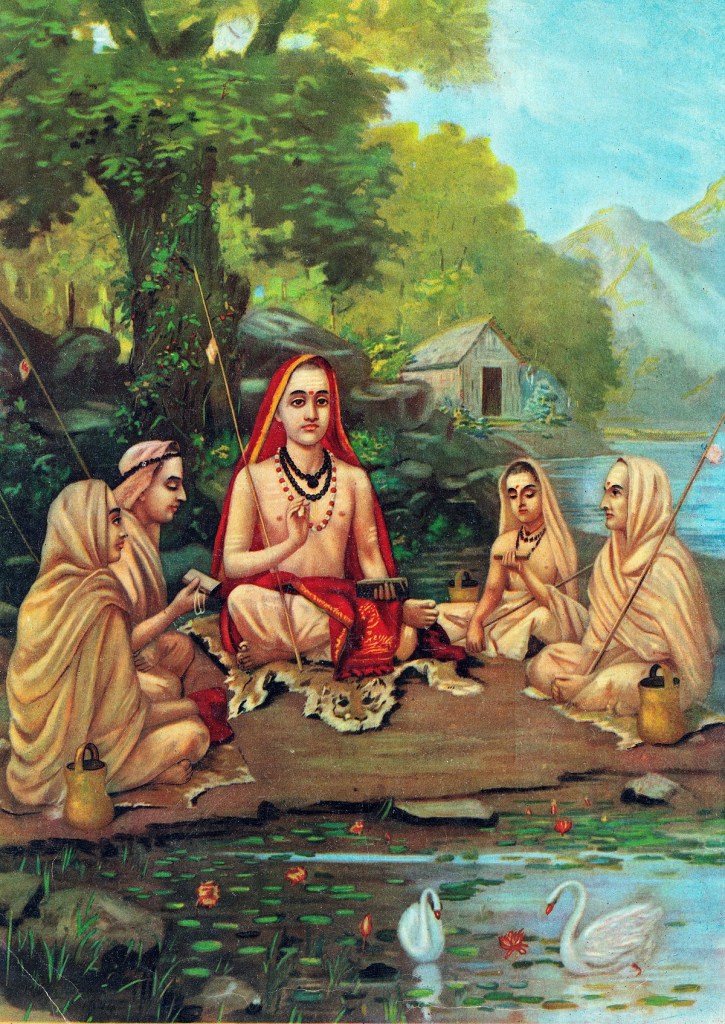
Below is my email response to the above views expressed by Jayamohan:
There is nothing really anything of any great substance to dispute about what Jayamohan’s has states are his views on the subject-matter .
It is true that even in Adi Sankara’s own time, the Acharya was wise enough to realize that “tuuya Advaita” … or “tarka vaadam ”… or what we may call the “via contemplativa” (the arduous path of gnyaana yoga) was of very limited appeal to people at large in the country.
The mass of People in the world are not “left brained” but are “right brained”. Both Religious experiences and yearnings are said by modern neuroscientists to be bicameral… I.e. in human beings the brain and mind are wired in with an inbuilt ability to experience religious feelings through both intellect and emotion.
The theory of Bicameralism posits that the human mind once operated in a state in which cognitive functions were divided between one part of the brain which appears to be “speaking”, and a second part which listens and obeys—a bicameral mind, and that the breakdown of this division gave rise to consciousness in humans.
In this bicameralism, Pure Advaita pursues religious experiences with the aid of the former — the Upanishads, Brahma Sutra and the Gita Bhashya. The latter pursues religious experiences with the aid of the latter, emotion … via activa … or what is known as the ritualism of Veda Karma kaanda in which the performance of rites and the articulation of mantras can uplift the human mind to heights of religious experience.
Adi Sankara clearly understood the bicameralism of all religious longings of the ordinary human mind for communion with the divine. Which is why he did not reject ritual worship or the conduct of “smriti” based modes of worship. Although he did oppose the “Purva meemaaksaka” traditionalists who were rabid proponents of the “karma kaanda” to the complete exclusion of Advaitic emphasis on “gnyaana marga”, Adi Sankara was essentially an Acharya who did appreciate that the best pathway to religious experiences was the syncretic one which could balance both Mind and Intellect and marry Thought to Emotion. His view on this matter is indeed so eloquently and emphatically expressed in the verses of his famous hymn “Bhaja Govindam” where Bhakthi Maarga — the pathway to emotional connect with Godhead — is extolled by him.
Sri Ramanuja’s Siddhaantham which came later however struck the perfect balance between the bicameralism of religious experience and, in fact, even today represents the golden mean or the wise middle path between “karma yoga” and “gnyana yoga” which ultimately combine together to ascend, by way of a graduated progression, to heightened Bhakthi …. Such progression or evolution/maturation of spiritual wisdom, known amongst Visishtaadvaita theologians as “para bhakthi” and “para gnyana”, leads ultimately to “parama bhakthi” —- a consummation of religious joy that surpasseth understanding.
To conclude , let not Jayamohan’s stated and suggestive views/insinuations cast any doubts in anyone’s mind that the Sankara Muttams of today have veered off from the true Advaitic pathway that Adi Sankara pioneered in his own time. The Advaita sampradaayam continues to this day to propagate Advaitic ideals without departing too far from its original inspirations and tenets. Yes, it does vigorously promote the “smaartha Sampradaayam” of ritualistic worship but it does not do so at the expense of Advaitic intellectual inquiry or discourse.
The genius of of our Vaideeka Matham is that it recognises the innate bicameralism of the varieties of human religious experiences. It is syncretic both in its nature and in its essence. It does not believe in the propagation of the false binaries of spiritual faith.
Sudarshan Madabushi