
Amaruvi Devanathan is an Indian author, public speaker, and professional banking technologist. He frequently describes himself with the catchphrase “a banker by day and blogger by night,” balancing a corporate career in data architecture with a prominent role in the Tamil and English literary circuits.
Professional Background
- Education: He graduated with a Bachelor of Engineering (B.E.) in Electrical Engineering from the Government College of Engineering, Salem in 1994.
- Corporate Career: He has worked globally across India, Japan, and Singapore for technology and financial institutions like Citibank, Mphasis, Birlasoft, and Siemens. After spending 15 years working abroad in Singapore, he relocated back to Chennai, India.
Literary & Public Work
- Blogging: He runs a popular bilingual blog called Amaruvi’s Aphorisms, where he writes commentary on history, literature, and social situations.
- Public Speaking: He is a Toastmaster, frequently participating in literary events and mentoring students in public speaking and creative writing. He also appears on prominent Tamil digital media channels (like Chanakyaa) as an analyst discussing historical and socio-political topics.
Published Books
He has written several notable works in both Tamil and English, listed on platforms like Amazon: [1, 2, 3]
- Pazhaya Kanakku (பழைய கணக்கு): A collection of Tamil short stories bound by the theme of justice. One of its stories was selected by the National Book Trust of India in their top 25 short stories list.
- Monday is not Tuesday: An English book detailing South Indian childhood experiences during the 1980s and 1990s.
- Naan Raamaanusan (நான் இராமானுசன்): A first-person historical fiction narrative about the life, philosophy, and reforms of the 11th-century Hindu saint Ramanujacharya.
- Vandhavargal (வந்தவர்கள்): A period novel capturing a century-long migration history.
- Neyveli Kadhaigal (நெய்வேலிக் கதைகள்): A book capturing idyllic life in the industrial town of Neyveli during the 1970s and 1980s.
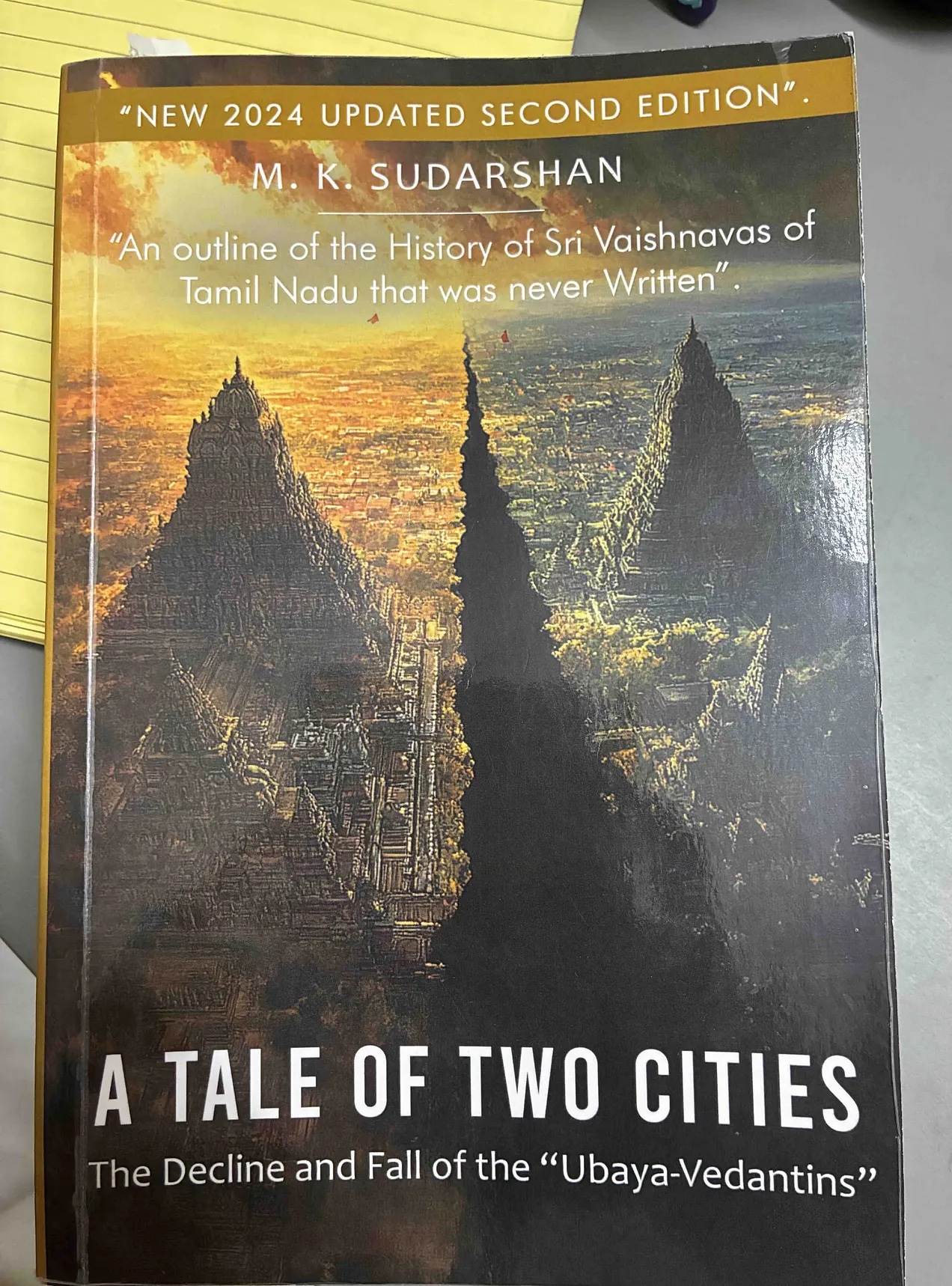
Amaruvi Devanathan has just today written and posted a deep-dive book review on his very popular blog-space on Substack: Amaruvi’s Aphorisms.

Please do read this extremely trenchant, conscience-rousing book review here :
https://mylapore.substack.com/p/the-last-great-500-years-iyengar
Sudarshan Madabushi
நீங்கள்ளாம் இவ்ளோ படிச்சவாளா இருக்கீங்கோ. அண்ணங்க்ராச்சார் புக்க கார் பார்க்குக்கு சண்டை போடறா மாதிரின்னு கிண்டல் பண்றது கொச்சையா இருக்கு. ஆனா அண்ணங்க்ராச்சார் தாமரை இலைத் தண்ணி மாதிரி பாத்ர தனியன் விஷயத்துல யார் பொய் சொல்லி இருக்கான்னு தெளிவாச் சொல்ற மாதிரி சொல்ல மாட்டேன் என்கிறீர்களே, அப்பறம் கன கனமா தலை மாட்ல வெச்சிண்டு படுத்துக்கறா மாதிரி புக் எழுதி என்ன ப்ரயோஜனம். நீங்க வடகலையா இருக்கலாம் இல்ல தெங்கலையா இருக்கலாம், தப்பு செய்யறவா யாருன்னு தெரிஞ்சும் அவாள கண்டிக்கற தைரியம் இருக்கா உங்களுக்கு.
நீங்கள் இந்தப் புத்தகத்தை முழுமையாகப் படித்திருக்கிறீர்களா? அப்படிப் படித்திருந்தால், இரண்டு பிரிவினரின் “தனியன்கள்” குறித்து ஸ்ரீமன் பி.பி.ஏ. சுவாமி 1954-ல் தனது விவாதப் பிரசுரத்தில் எழுதியதை விட, அது எப்படி ஆங்கிலேயர் காலத்தில் ஏற்கனவே பாதிக்கப்பட்டிருந்த தென்கலை மற்றும் வடகலை சமூகங்களுக்கு இடையிலான உறவை மேலும் மோசமாக்கி, நச்சாக மாற்றியது என்பதைப் பற்றித்தான் ஆசிரியரோ அல்லது புத்தக விமர்சகரோ அதிகம் கவலைப்படுகிறார்கள் என்பதை நீங்கள் புரிந்து கொண்டிருப்பீர்கள். ஐயா, நீங்கள் இந்தப் புத்தகத்தை ஒரு நடுநிலையான சமூக வரலாற்றாசிரியராகப் படிக்க வேண்டுமே தவிர, தென்கலை அல்லது வடகலை உப-பாரம்பரியத்தை ஆதரித்துப் பேசும் ஒரு சார்புடைய ஸ்ரீவைஷ்ணவராகப் படிக்கக் கூடாது.
Sudarshan