Tag Archives: Sanatana Dharma
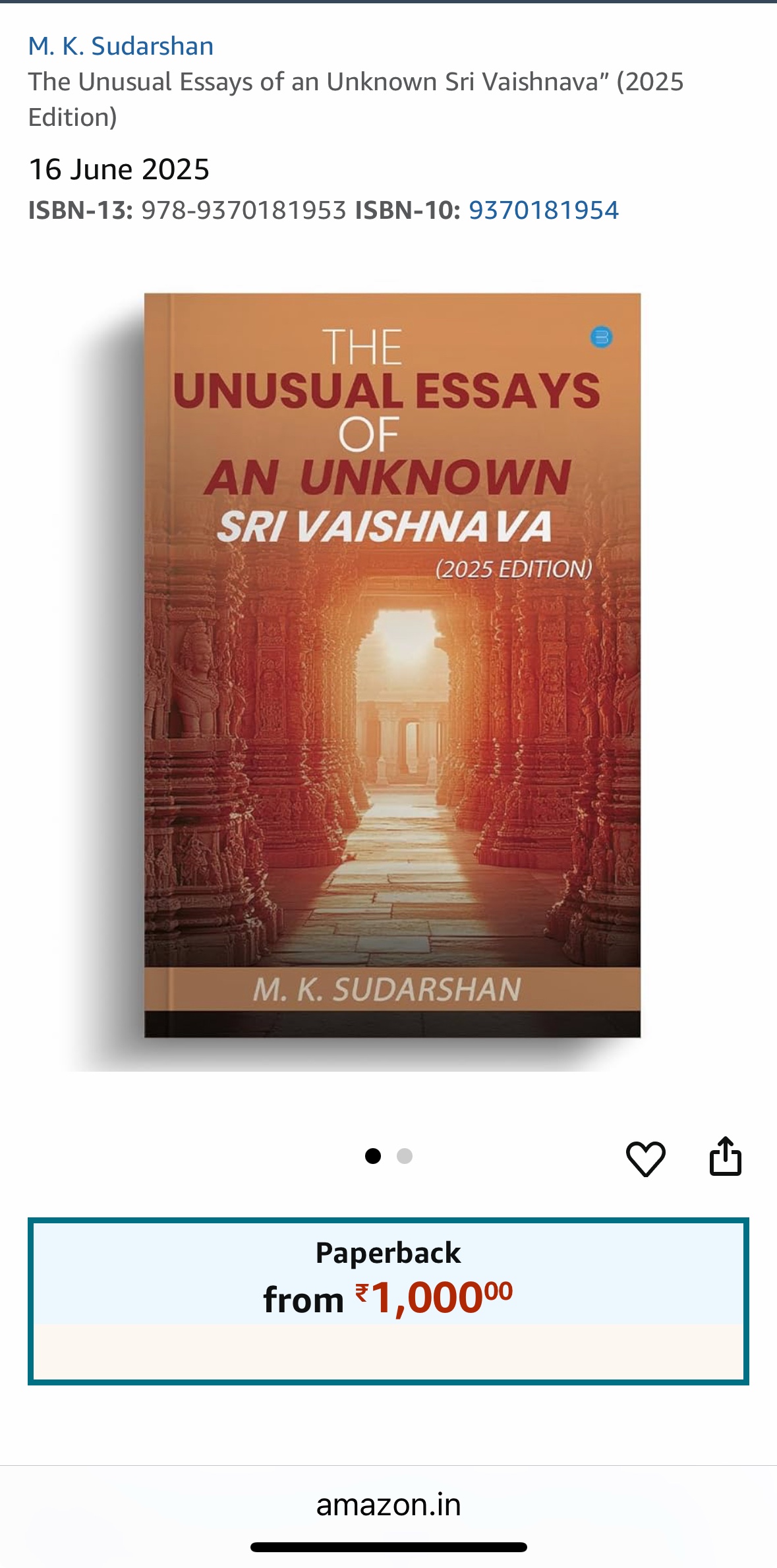
Beyond the Sanctum: Preserving Sanatana in an Age of Too Many Temples

Beyond the Sanctum: Preserving Sanatana in an Age of Too Many Temples
Temples and consecrated murtis have long been at the heart of Hindu devotion. But when temple-building becomes a measure of faith, do we risk forgetting what the murti was meant to awaken?
Nammazhvar begins the Tiruvaymozhi not by pointing to a shrine, but by telling the mind to rise: “O my mind, worship the radiant feet that end sorrow.”
This essay is not a case against archa murthy aradhana. It is a quiet plea to restore balance: to honour the visible Divine, while remembering that the highest sanctuary is consciousness itself.
The ‘Samarpanam’ of “YAJÑEŚA” to Sri “Yajñamurthy” at the Yajñavatika near the precincts of Sri Mattapallinathan Temple

The ‘Samarpanam’ of “YAJÑEŚA” to Sri “Yajñamurthy” at the temple of Sri Mattapallinathan.
https://www.instagram.com/p/DeRDSb5kjZ9/?exln=MTZ0eWd6cGIydThyZA==
“Tabula Occulta”: பகவத்கீதை, விசிஷ்டாத்வைதம், மற்றும் இறைவெளிப்பாட்டின் நிகழ்வியலில் உன்னிப்பின் பரிமாற்றம்
எழுதியவர்: Sudarshan Madabushi September 30, 2026: Chennai, India I. கீதையின் மர்மமான வாக்குறுதி பகவத்கீதையின் நான்காம் அத்தியாயத்தில், பகவான் கிருஷ்ணர் ஒரு அறிவிப்பை வெளியிடுகிறார்—அது நூற்றாண்டுகளான வியாக்கியானங்களிலும் பக்தியிலும் எதிரொலித்து வருகிறது: ये यथा मां प्रपद्यन्ते तांस् तथैव भजाम्य् अहम् |मम वर्त्मानुवर्तन्ते मनुष्याः पार्थ सर्वशः ॥ ११ ॥யே யதா மாம் ப்ரபத்யந்தே தாம்ஸ் ததைவ பஜாம்ய் அஹம் |மம வர்த்மானுவர்தந்தே மனுஷ்யா: பார்த்த ஸர்வச: || “ஓContinue reading ““Tabula Occulta”: பகவத்கீதை, விசிஷ்டாத்வைதம், மற்றும் இறைவெளிப்பாட்டின் நிகழ்வியலில் உன்னிப்பின் பரிமாற்றம்”
“Yajñeśa: The Life and Times of Mukkur Sri Lakshminarasimhachariar” (1944-2001): Book Launch Event at Mattapalli Sri Nrsimha Kshetra (Andhra Pradesh) on October 8, 2026 on the occasion of the “Shashtiabdapoorthi” of “Tiru Kumarar”, Mukkur Srinivasa Chariar (aka. “MLS Swami”).
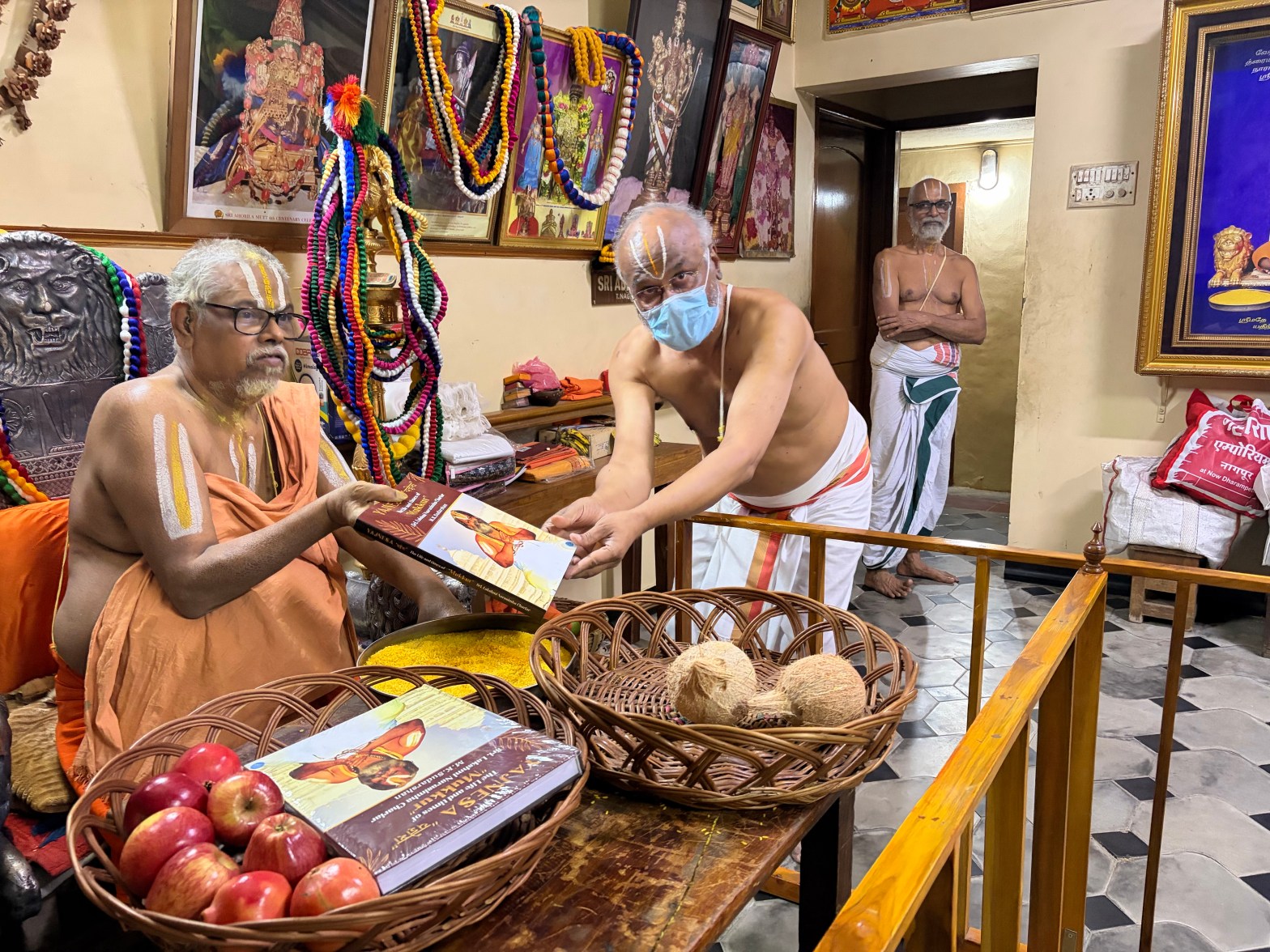
Yajñeśa: The Life and Times of Mukkur Sri Lakshmi Narasimha Chariar””: (Blue Rose Publishers)
BOOK LAUNCH EVENT on October 8, 2026 at the sacred premises of the Sri Narasimha Swami Perumal Temple at Mattapalli ( Andhra Pradesh) .
I place YAJNESA with humility at the lotus feet of Sri Lakshmi Narasimha of Mattapalli and dedicate it to the sacred memory of Sri Mukkur Lakshminarasimhachariar Swami.
May this book help carry his life, learning, devotion, and message to readers of the present generation and of generations to come.
Śrī Lakṣmī Nṛsiṁha Parabrahmaṇe Namaḥ.
Śrīmate Rāmānujāya Namaḥ.
Thank you.
M K Sudarshan
“Tabula Occulta”: Intentional Reciprocity in the Bhagavad-gītā, Viśiṣṭādvaita, and the Phenomenology of Divine Revelation

🕉️ New Essay: “Intentional Reciprocity”
What if Bhagavad-gītā 4.11 is not just a theological promise—but a metaphysical principle about the structure of consciousness itself?
Kṛṣṇa says: “In whatever way one worships Me, I reciprocate accordingly.”
Read through the lens of Edmond Husserl’s phenomenology and Rāmānuja’s Viśiṣṭādvaita, this verse reveals a profound truth:
✅ Consciousness is never ex nihilo—it’s eternally self-luminous.
✅ But its intentional reach (dharma-bhūta-jñāna) expands or contracts according to karma.
✅ Divine manifestation is proportional to the karmically shaped intentionality of the devotee.
✅ The real risk isn’t ex nihilo; it’s ex occulto—Bhagavān present but unrevealed.
For readers who love comparative philosophy, Vedānta, phenomenology, and the metaphysics of bhakti.
Sound as the Beginning—and End—of Vedic Metaphysics: A Modern Recapitulation offered by Sundar Sarukkai

The Veda calls itself the breath of the Veda-Puruṣa, creation a continuum of sound—yet the Upaniṣad says, “from which words turn back with the mind.”
Is this a contradiction?
This essay moves from Sundar Sarukkai’s modern restatement to the Gītā, Taittirīya Śikṣā and Ānanda Valli, and the Viṣṇu Sūkta, showing how Advaita reads the end as silent awareness and Viśiṣṭādvaita as eternal praise in Vaikuṇṭha.
Brahmotsavam at Tirumala commenced on September 15, 2026 with the hereditary Thozhappachari priests’ traditional “kainkaryam” on the grand occasion for the Deity, The Lord of Tiruvenkatam

The Salakatla Brahmotsavam began on 15 September 2026, following the Ankurarpanam on 14 September.
The opening day included the formal Dhwajarohanam, performed according to Vaikhanasa Agama prescriptions.
The water-bearing procession seen around the commencement of the festival is part of the Brahmotsavam’s preparatory and inaugural ritual cycle. In other words, the date of the water procession is linked to the opening of Brahmotsavam.
Who Was Mukkur Swami? And why you must read his biography?

Who Was Mukkur Swami? Sri Mukkur Lakshminarasimhachariar was not a figure of India’s distant past. He lived in the twentieth century, from 1944 to 2001, and left behind an immense spiritual and cultural legacy. He was:• A distinguished scholar of Veda and Vedanta• A powerful and widely admired upanyasaka• An austere performer of Vedic yajnas•Continue reading “Who Was Mukkur Swami? And why you must read his biography?”
மூன்று சொற்கள், ஒரு சரணாகதி
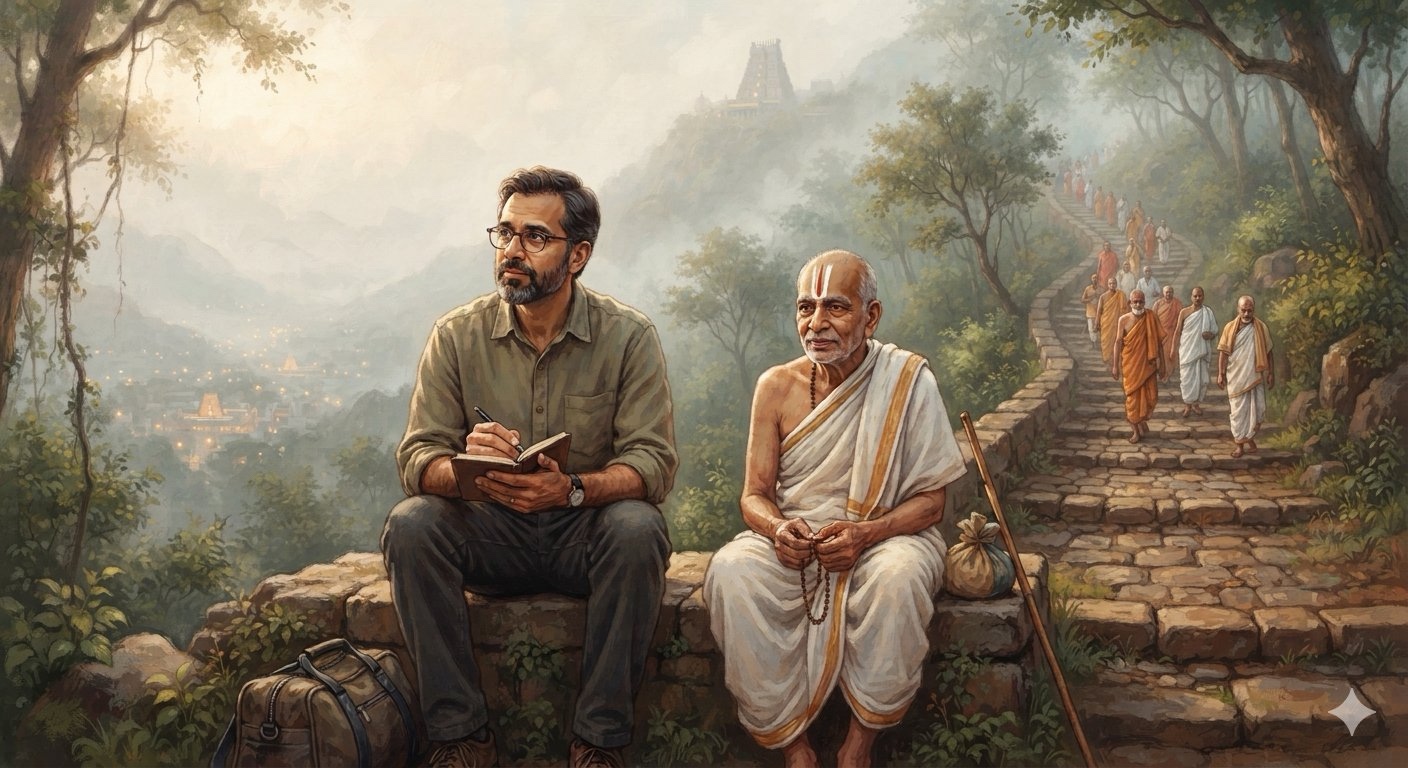
சரணாகதி, பிரபத்தி, நியாசம் — இவை மூன்றும் ஒரே பொருளா, அல்லது ஒரே ஆன்மிக இயக்கத்தின் மூன்று முகங்களா?
திருமலை மலைப்பாதையில் ஒரு பேராசிரியரும் அறியப்படாத ஸ்ரீவைஷ்ணவரும் நடத்தும் உரையாடல், பக்தி, வேதாந்தம் மற்றும் பல மரபுகளில் சரணாகதி எப்படிப் புரிகிறது என்பதை எளிய, விளக்கமான தொனியில் திறக்கிறது.