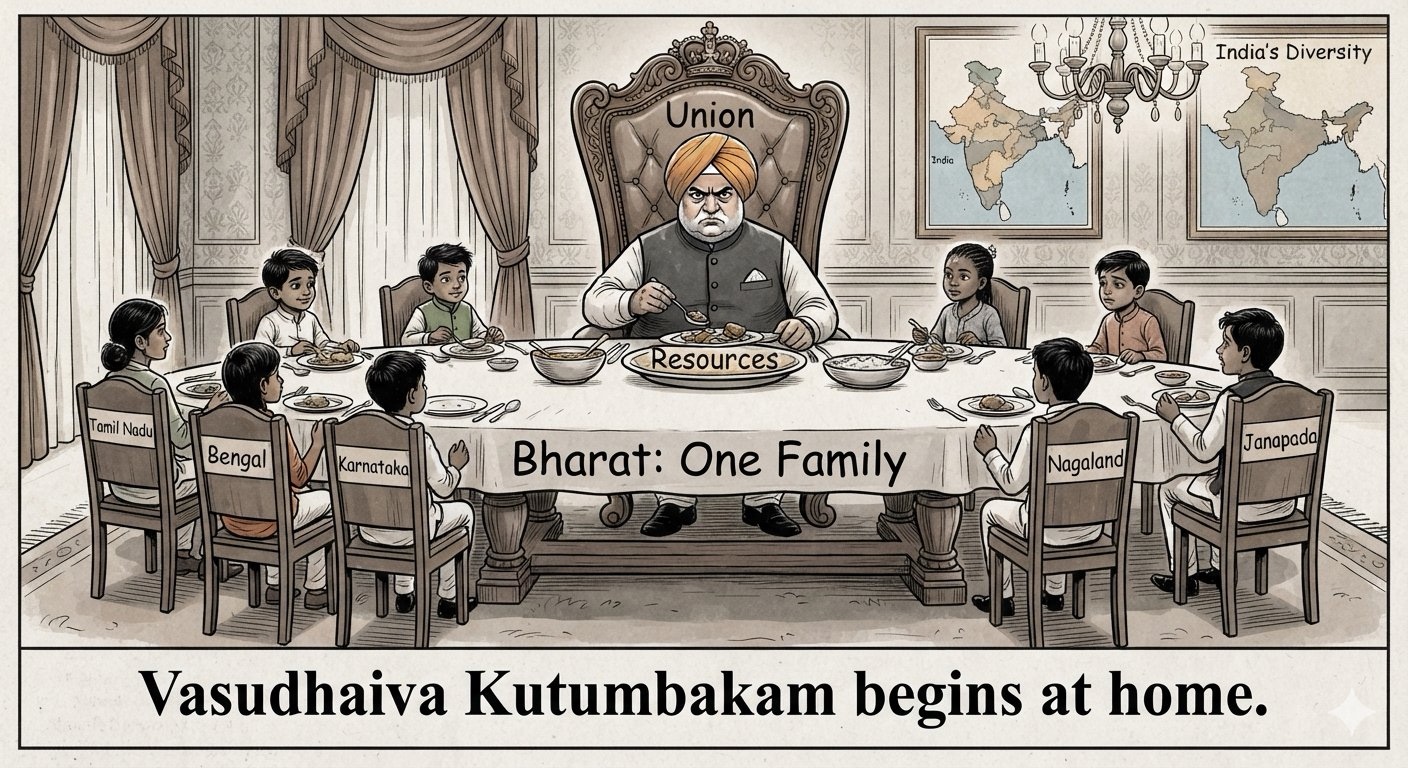
“The Ambedkar Paradox: INDIA: An Indestructible Union of Destructible States” — and Adult Politics?

India’s Constitution calls itself a “Union of States”—but its states can be divided, renamed, or extinguished by Parliament, while the Union cannot be broken.

That is the Ambedkar Paradox: an indestructible Union of destructible States.

The result? A system that is neither a classic federation nor a unitary state:

• States have governments, legislatures, and identities.
• But the Centre controls the biggest taxes.
• States deliver schools, hospitals, police, and welfare.
• So states depend heavily on Delhi for money.

The fiscal asymmetry is structural—not an accident. But structural does not mean states must stay silent. In a democracy, they may demand fairness, consultation, and reform—without secession or hysteria.

The real question: Can India become a true Rashtra-Sangha—a family of janapadas—rather than a Centre that calls the shots and states that foot the bill?
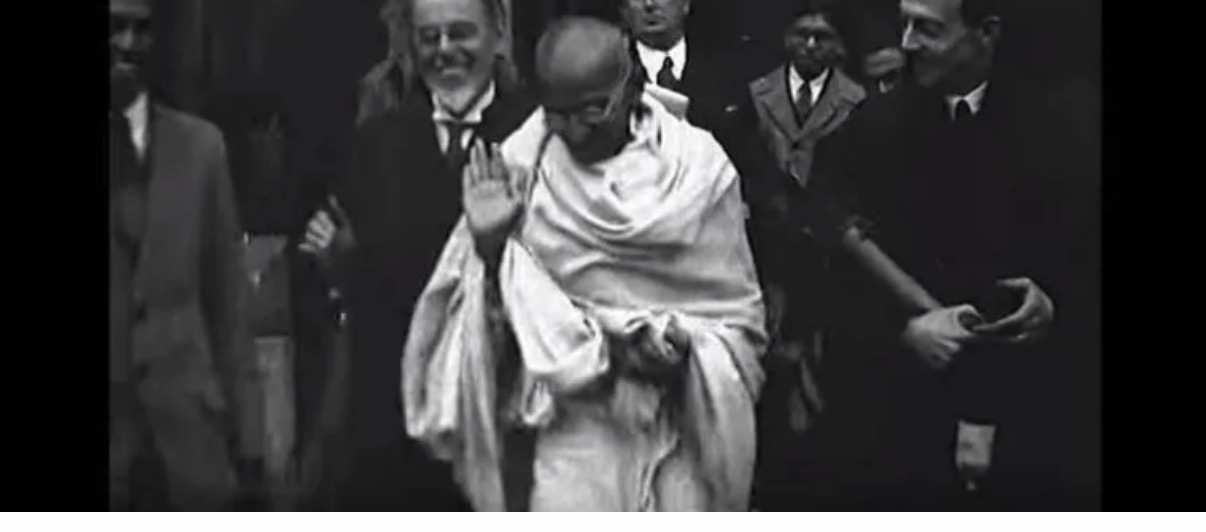
“Mr. Gandhi, what do you think of Western Civilisation?” — Part I of 2

A century after Mahatma Gandhi delivered his famously sardonic critique of Western Civilisation, the global monoculture he challenged faces an unprecedented twilight.

Spanning the volatile centuries before the Industrial Revolution to the cold, zero-sum geopolitical chessboards of Halford Mackinder, this two-part long-form essay traces how the West exported its systems through military and financial might while aggressively silencing alternative ideas. As the ten great ideological pillars of this 500-year-old framework face systemic collapse, humanity now steps into an ideological void.

Explore a bird’s-eye view of history, the inquisitional nature of institutional orthodoxy, and why Gandhi’s inscrutable retort remains the ultimate epitaph for an empire in retreat.