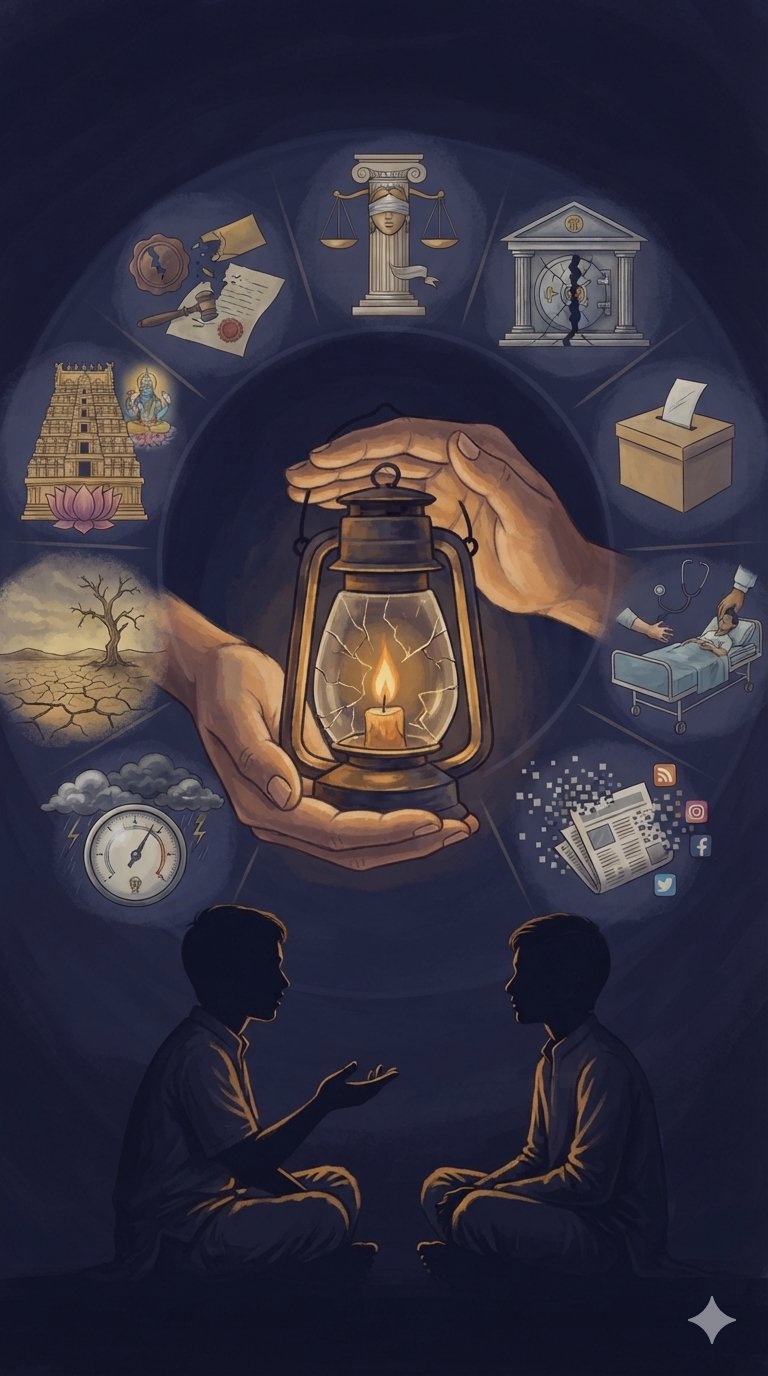
In God We Trust: The Mother of All Trust Deficits — and the Death and Resurrection of Trust

Is “In God We Trust” a prayer—or a confession?

We print trust on currency, promise it in elections, demand it from banks, courts, doctors, journalists, and algorithms—then watch it thin beneath the winds of betrayal, spin, and institutional failure.

Beginning tomorrow: “In God We Trust: The Mother of All Trust Deficits—and the Death and Resurrection of Trust.”
Nine dialogues between two students of a Vedic university in South India—Ānanda, the restless sceptic, and Madhava, the contemplative Vedāntin—move from Eden’s first broken trust to the modern crisis of credibility, media, democracy, and institutional entropy.

At the centre lies a Sri Vaishnava question: when every earthly refuge trembles, can the soul find its final shelter in mahāviśvāsam—unshakeable trust in the Lord’s grace?

Nine days. Nine dialogues. One question: can Trust rise again?

Narayana! Narayana! Narayana!

“The King Who Must First Know Himself”: Plato, Dharma, and the Elusive Philosopher-Kings of India

Plato wanted philosopher-kings. India dreamed of the rājarṣi. From Ashoka’s dhamma to modern democracy, the search for a ruler wise enough to wield power remains unfinished.

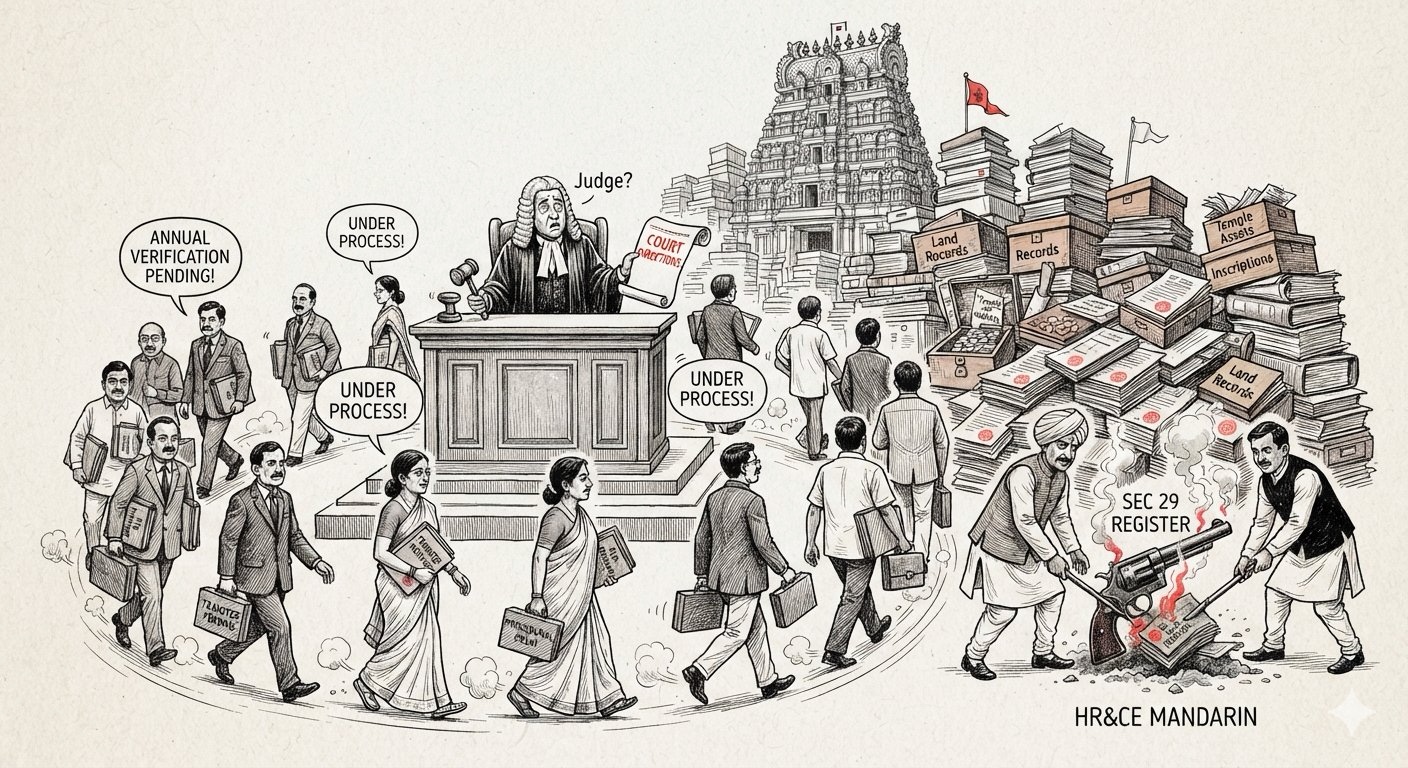
“செக்ஷன் 29 பதிவேடு”: தமிழ்நாடு கோவில் அரசு நிர்வாகம் புதைத்து வைக்கும் ஆவணம்

தமிழ்நாட்டுக் கோவில்கள் வழிபாட்டிடங்கள் மட்டுமல்ல. அவை நிலங்கள், நகைகள், சிலைகள், ஆவணங்கள், வருவாய், மற்றும் நூற்றாண்டுகளாக நிலவி வரும் பொது நம்பிக்கையின் களஞ்சியங்கள். இந்து சமய அறநிலையத் துறை (HR&CE) இவற்றை பாதுகாப்பாளராக நிர்வகிப்பதாகக் கூறுகிறது. ஆனால் ஒரு பாதுகாப்பாளர் முதலில் தான் என்ன வைத்திருக்கிறார் என்பதை அறிந்திருக்க வேண்டும்.

The “Section 29 Register” of the Tamil Nadu HR&CE Act: the “smoking gun” that must remain buried?

Tamil Nadu’s temples are not merely places of worship. They are repositories of land, jewellery, sculpture, manuscripts, ritual tradition, and centuries of public trust.

The State, through the Hindu Religious and Charitable Endowments (HR&CE) Department, claims to be their custodian. If that claim is to mean anything, the first requirement is elementary: the custodian must know what it holds.

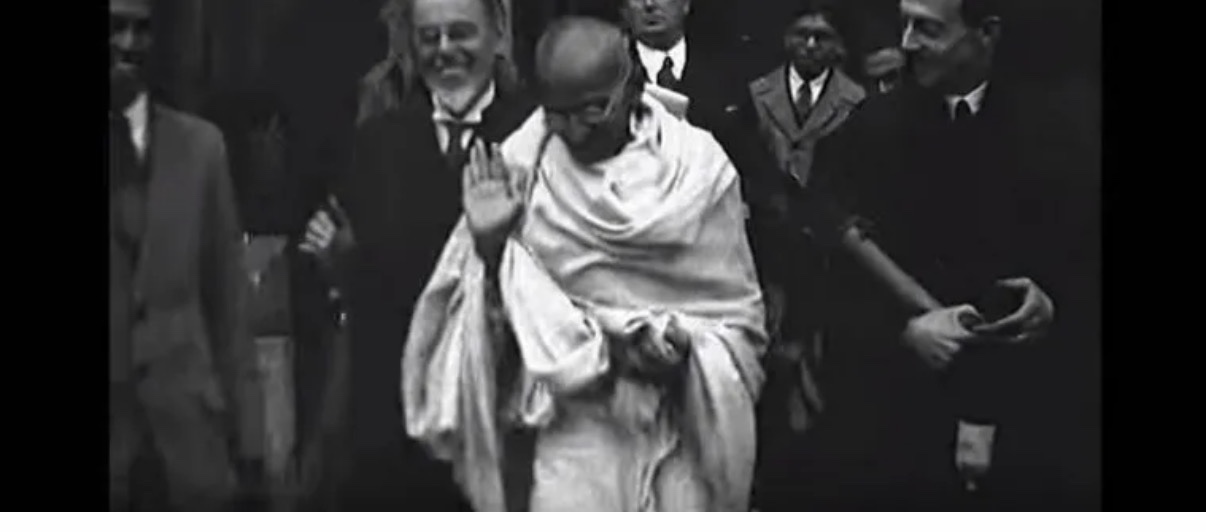
A Gandhi Jayanthi Roundtable

The Bhakta, the Dveṣī, and the Historian: Three Voices on the Mahatma by M.K.Sudarshan October 2, 2026: Chennai, India A fictional roundtable conversation on Gandhi’s achievements, failures, moral authority, and contested legacy It is Gandhi Jayanthi. A coffee shop in India is crowded with customers, newspaper columns, old arguments, and new certainties. Above the counterContinue reading “A Gandhi Jayanthi Roundtable”

Before you go “shaming” the “Manu Mind-Set”, Mr Rahul Gandhi, first check out your own mindset.

Before Shaming Manu, Mr Gandhi, Examine Your Own Political Mindset

Rahul Gandhi has called the Manusmriti’s view of women “a shame.” Fair enough. But can secularism be selective? The real test is whether the same constitutional standard is applied to patriarchy in every religious tradition.

To condemn the “Manu mindset” is easy. The harder test is to condemn, with equal moral clarity, every religiously sanctioned attempt to deny women equal citizenship.

The Shah Bano episode remains the hardest question for the Congress tradition: when constitutional equality for a divorced Muslim woman collided with organised religious pressure, which side did it choose?

No ancient text need be banned. But no ancient text—Hindu, Muslim, Christian or otherwise—can be permitted to outrank the Constitution in determining a woman’s civil rights.