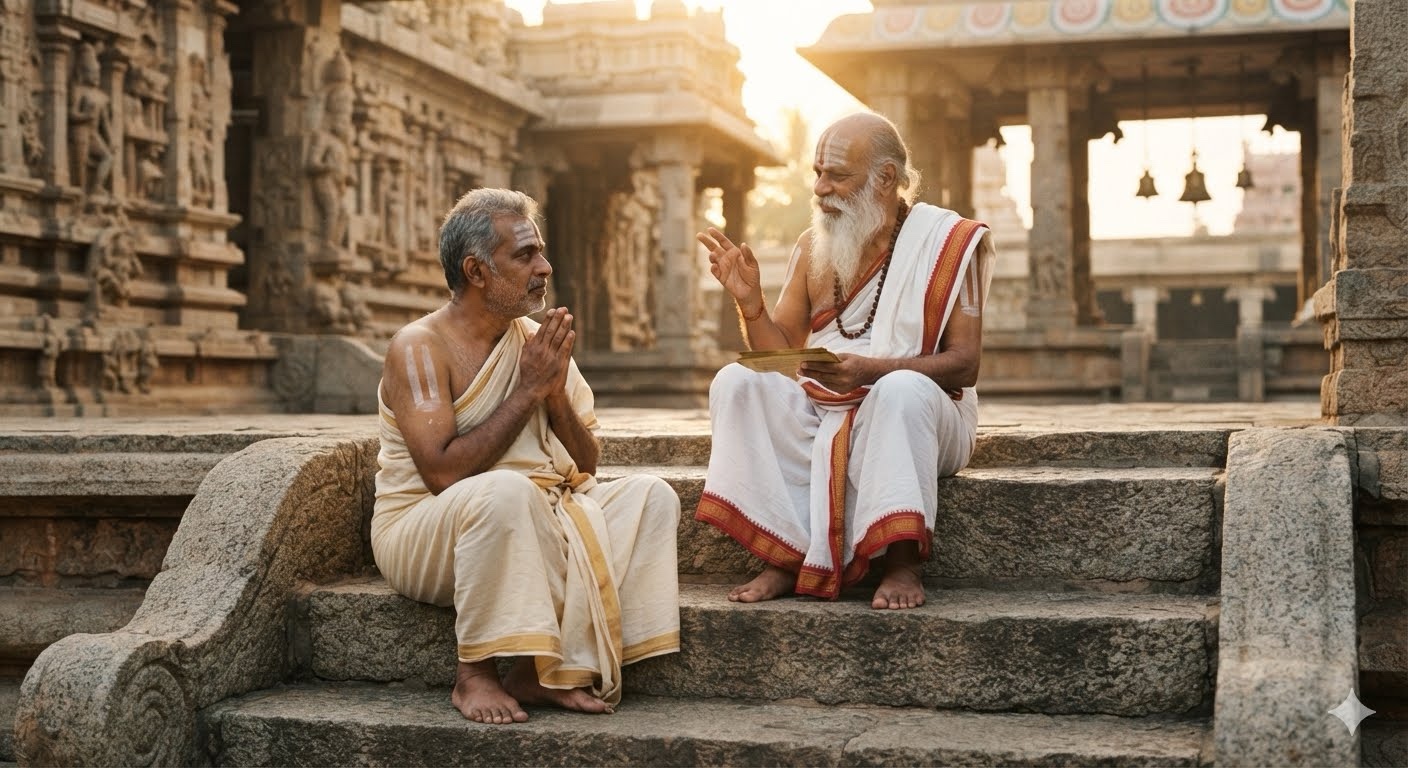
Brahmotsavam at Tirumala commenced on September 15, 2026 with the hereditary Thozhappachari priests’ traditional “kainkaryam” on the grand occasion for the Deity, The Lord of Tiruvenkatam

The Salakatla Brahmotsavam began on 15 September 2026, following the Ankurarpanam on 14 September.

The opening day included the formal Dhwajarohanam, performed according to Vaikhanasa Agama prescriptions.

The water-bearing procession seen around the commencement of the festival is part of the Brahmotsavam’s preparatory and inaugural ritual cycle. In other words, the date of the water procession is linked to the opening of Brahmotsavam.

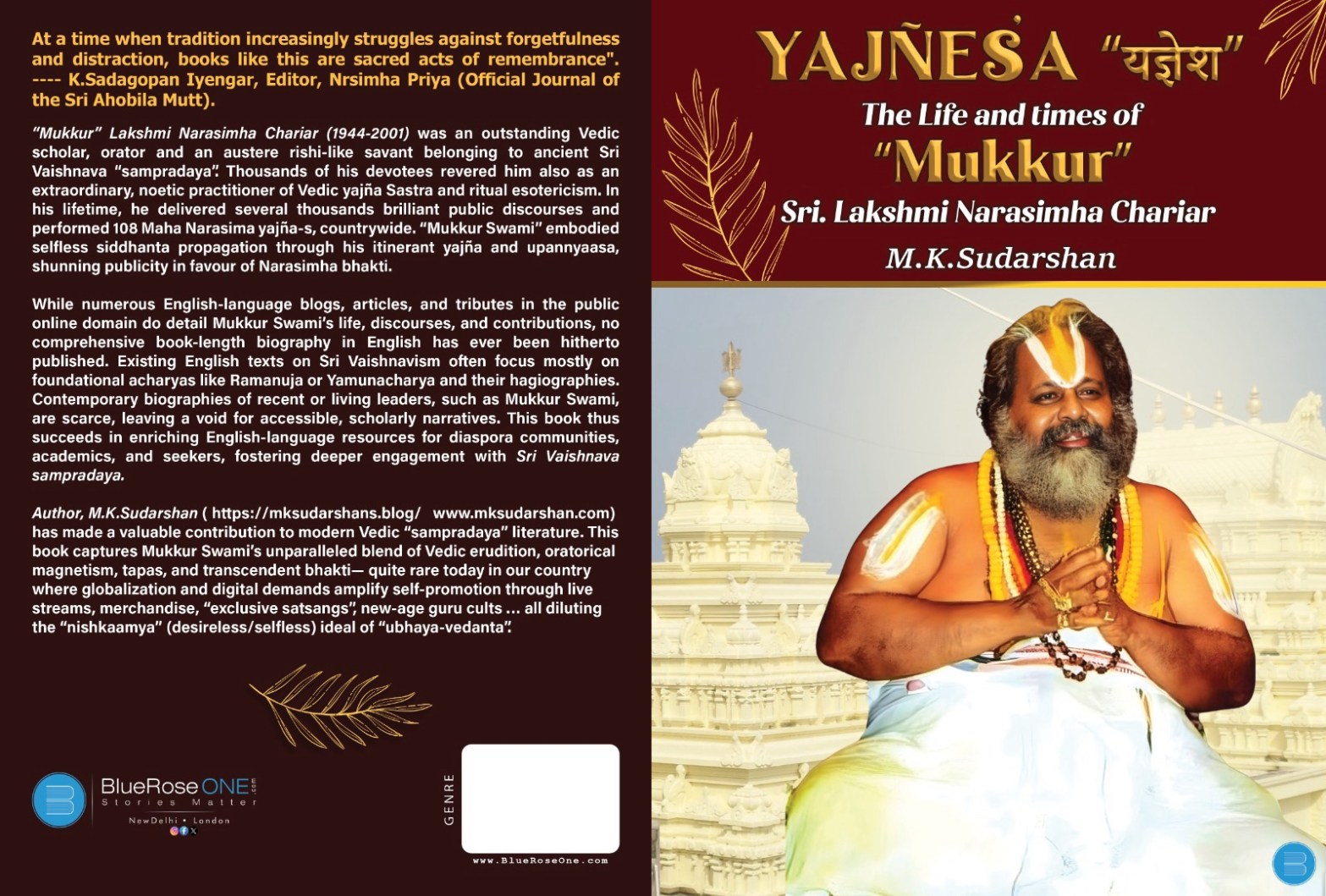
Who Was Mukkur Swami? And why you must read his biography?

Who Was Mukkur Swami? Sri Mukkur Lakshminarasimhachariar was not a figure of India’s distant past. He lived in the twentieth century, from 1944 to 2001, and left behind an immense spiritual and cultural legacy. He was:• A distinguished scholar of Veda and Vedanta• A powerful and widely admired upanyasaka• An austere performer of Vedic yajnas•Continue reading “Who Was Mukkur Swami? And why you must read his biography?”

“The Veda in Word, Work, and Worship” : Mukkur Sri Lakshminarasimha Chariyar: On the Vedas- 2

by M.K.Sudarshan September 9, 2026: Chennai, India Wednesday, September 9 Some men merely speak about tradition.Some preserve it. A rare few actually embody it.Sri Mukkur Lakshminarasimhachariar belonged to that rarest category. Through his discourses, yajnas, spiritual discipline, scholarship, and tireless propagation of Narasimha bhakti, he demonstrated how the values of the Vedic tradition could beContinue reading ““The Veda in Word, Work, and Worship” : Mukkur Sri Lakshminarasimha Chariyar: On the Vedas- 2”

A Giant Returns: Mukkur Sri Lakshminarasimha Chariyar: On the Vedas- 1


He was a Vedic scholar, Vedantic exponent, eloquent “upanyasaka”, austere “yajna” practitioner, and a spiritual personality of extraordinary intellectual and intuitive power.
He was known with affection and reverence as “Mukkur Swami.”

His full name was:
Sri Mukkur Lakshminarasimhachariar
(1944–2001)

A new English biography of this remarkable Vedic luminary will soon be available online.
Coming this September.
Follow this space for more.

Before the book arrives, meet the man behind the legend.

Before you go “shaming” the “Manu Mind-Set”, Mr Rahul Gandhi, first check out your own mindset.

Before Shaming Manu, Mr Gandhi, Examine Your Own Political Mindset

Rahul Gandhi has called the Manusmriti’s view of women “a shame.” Fair enough. But can secularism be selective? The real test is whether the same constitutional standard is applied to patriarchy in every religious tradition.

To condemn the “Manu mindset” is easy. The harder test is to condemn, with equal moral clarity, every religiously sanctioned attempt to deny women equal citizenship.

The Shah Bano episode remains the hardest question for the Congress tradition: when constitutional equality for a divorced Muslim woman collided with organised religious pressure, which side did it choose?

No ancient text need be banned. But no ancient text—Hindu, Muslim, Christian or otherwise—can be permitted to outrank the Constitution in determining a woman’s civil rights.

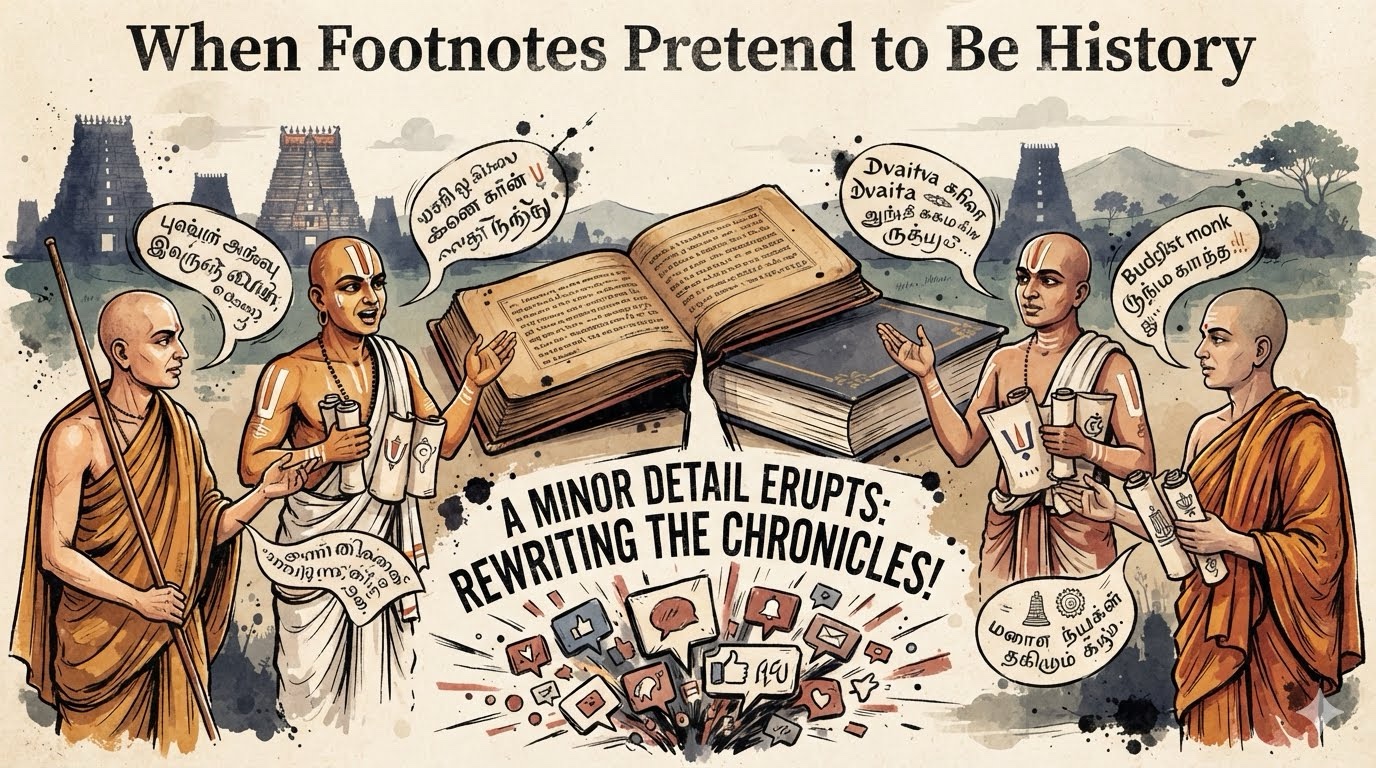
When Footnotes Pretend to Be History:

When Footnotes Pretend to Be History
Hindu philosophical traditions did not develop in a climate of uninterrupted harmony. Advaitins, Viśiṣṭādvaitins, Dvaitins, Buddhists, Jains, Śaivas, and Mīmāṃsakas often engaged in fierce—and sometimes deeply personal—polemics.
But a sectarian insult is not the whole history of a philosopher. A hostile hagiography is not a neutral biography. And a provocative footnote should not be presented as though it were a major chapter in the history of Indian thought.
From Śaṅkara and Rāmānuja to Vedānta Deśika and Madhva, the record reveals both acrimonious conflict and extraordinary intellectual creativity.
The real danger today is not that these old polemics are discussed. It is that social media detaches them from context, magnifies them, and turns historical trivia into historical truth.
When does a footnote become a distortion of history?

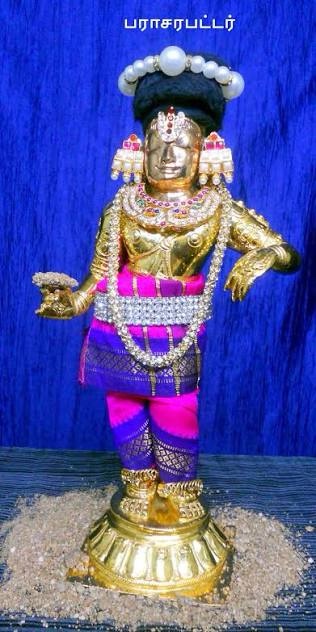
பாராசர பட்டரால் அருளிச் செய்யப்பட்ட தனியன்: அர்த்த பஞ்சகம்: இராமானுஜ தரிசனத்தின் முழுமையான கட்டமைப்பு

Parashara Bhattar’s “Tanian”: Artha Panchakam: The Integral Architecture of “Ramanuja Darsana” by M. K. Sudarshan August 27, 2026 (the sacred day of Avani Avittam – Upakarma- Vedaarambha Day): Chennai, India அர்த்த பஞ்சகத்தை வெறும் “ஐந்து அடிப்படை உண்மைகள்” என்று மட்டும் கூறுவது அதன் உள்ளார்ந்த தத்துவ விரிவைச் சுருக்கிவிடுகிறது. ஸ்ரீவைஷ்ணவ சம்பிரதாயத்தில் இது ஆன்மா, பரமன், அடைய வேண்டிய பேறு, அதற்குரிய உபாயம், அதற்குContinue reading “பாராசர பட்டரால் அருளிச் செய்யப்பட்ட தனியன்: அர்த்த பஞ்சகம்: இராமானுஜ தரிசனத்தின் முழுமையான கட்டமைப்பு”

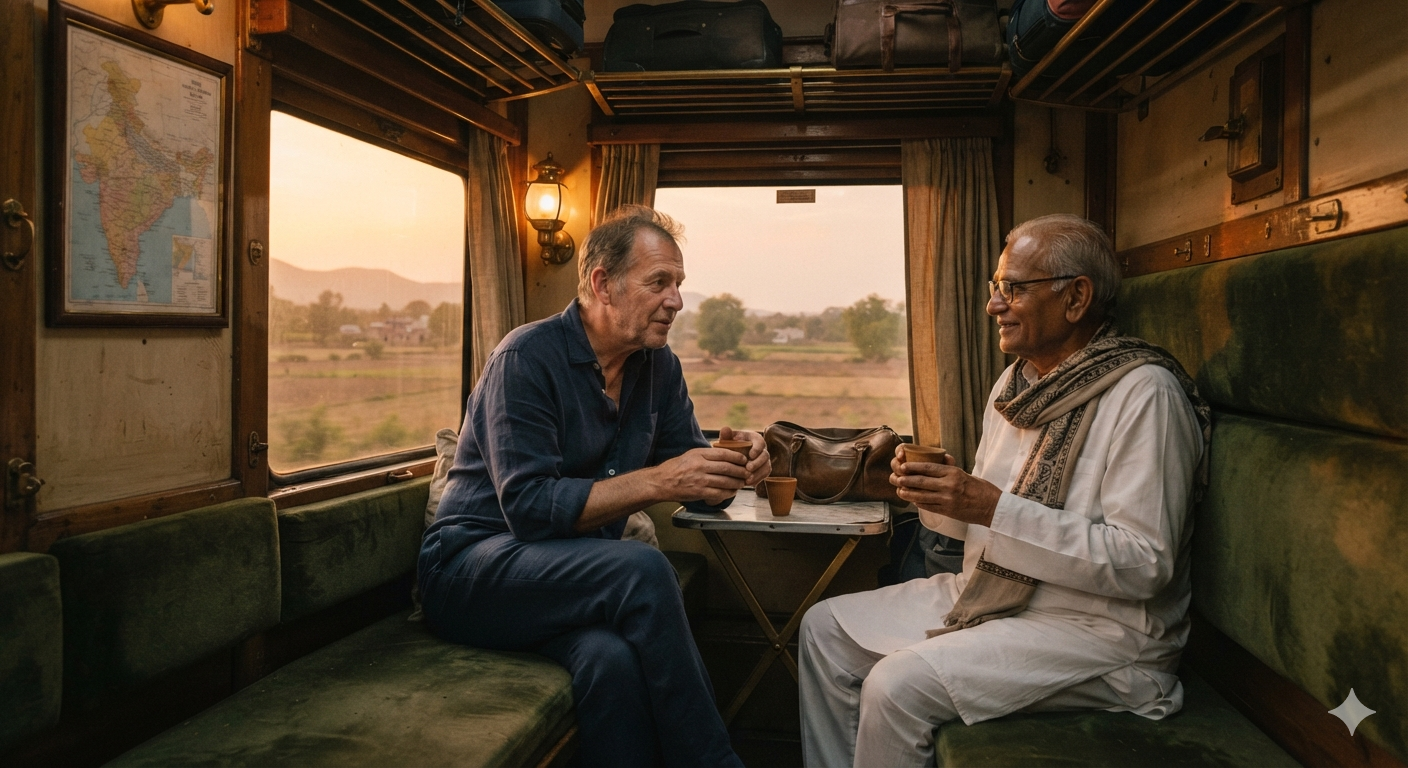
On the Train to Tirupati: A Dialogue on Vedic Sound (“veda shabdha”) and Spiritual Receptivity

by M.K.Sudarshan August 18, 2026: Chennai, India Characters: • DAVID — A middle-aged American student of Philosophy, on a year-long sabbatical in India visiting temples, gurus, and university professors. • THE UNKNOWN SRI VAISHNAVA — A 70-year-old seeker of Vedantic truth, initiated into formal Vedaadhyaya but not a complete scholar, traveling incognito. Setting: A longContinue reading “On the Train to Tirupati: A Dialogue on Vedic Sound (“veda shabdha”) and Spiritual Receptivity”

“Daya Satakam” : 50 years since Dr. Smt Mani Krishnaswami’s first musical rendition and LP Recording — A celebration in the Centenary Year of her husband, Sri M.Krishnaswami (MK) who was responsible for the production

Today , every Saturday at noon, The Daya Satakam as rendered musically by Smt Mani Krishnaswami is being broadcast all over the sacred Hills of Tirumala ! Watch and enjoy the below Commemorative Discourses on “Daya Satakam” by stalwarts of the Sri Vaishnava Sampradaya https://youtu.be/f43EW22N49k?si=wl0gntu8h2cm_gob https://youtu.be/aizTJZUiiIs?si=KA0ODgxBVG8thzds https://youtu.be/zFG1OVb6h-U?si=06dSf9CcKMOGP24o Daasoham

“பாகவத ஷேஷத்வம்”குறித்த உரையாடல்

by M. K. Sudarshan August 17, 2026: Chennai, India இடம்: ஸ்ரீரங்கம் கோயில் வளாகத்தில் ஒரு அமைதியான மூலை, காலை நேரம். தரிசனத்திற்குப் பிறகு இரண்டு பக்தர்கள் கற்களில் அமர்ந்திருக்கிறார்கள். கதாபாத்திரங்கள்: அறியப்படாத ஸ்ரீவைஷ்ணவர் (அஸ்வ) – 70 வயது, பிரபன்னர், ரஹஸ்ய த்ரய சாரத்தை கற்றவர் பாகவதர் (பாக) – 55 வயது, பக்தி உடையவர், ஆனால் இன்னும் பிரபத்தி செய்யாதவர் பாக: ஸ்வாமி, நான் தேசிகனின் ரஹஸ்ய த்ரய சாரத்தை படித்துக்Continue reading ““பாகவத ஷேஷத்வம்”குறித்த உரையாடல்”