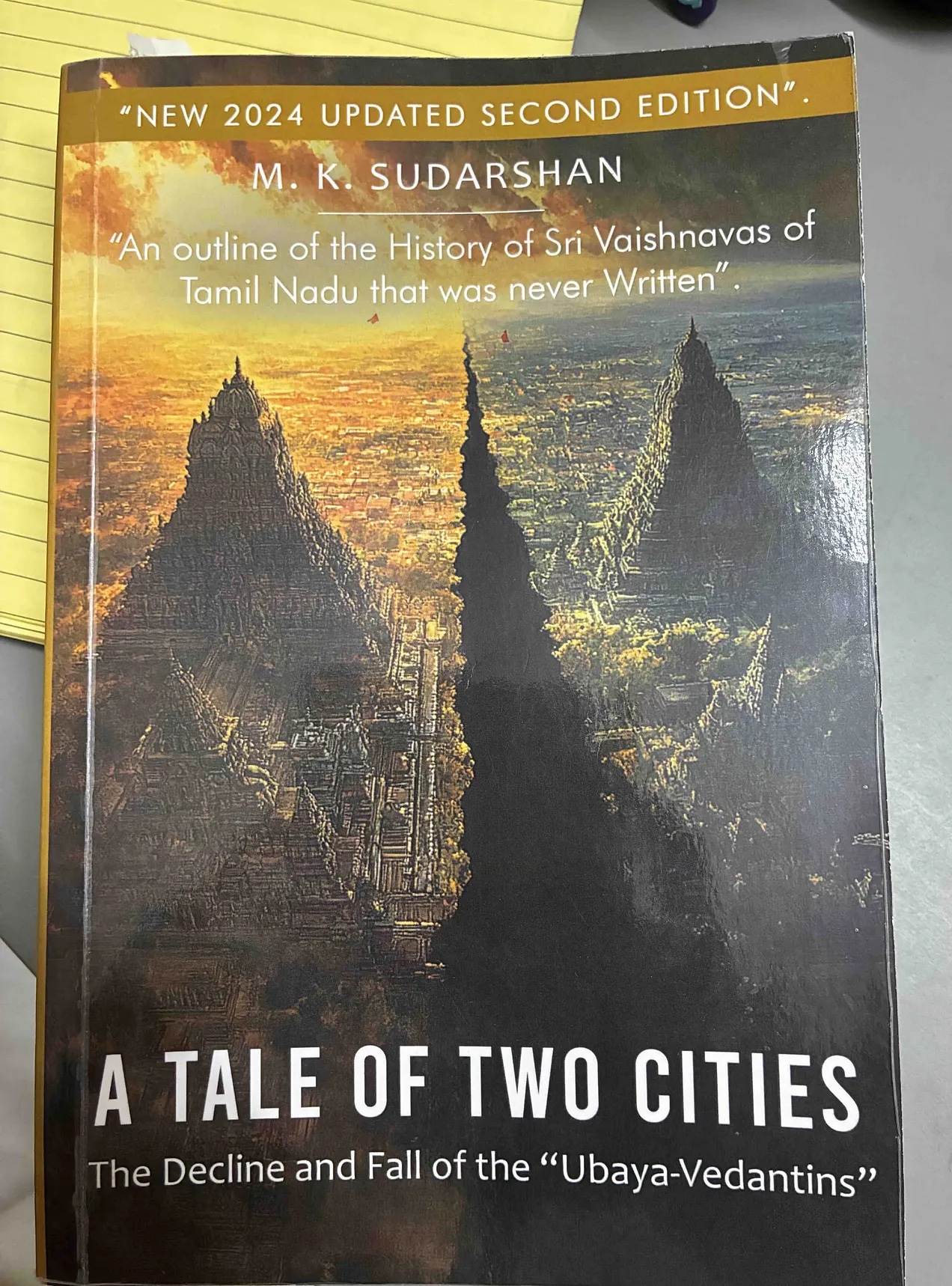
Amaruvi Devanathan is an Indian author, public speaker, and professional banking technologist. He frequently describes himself with the catchphrase “a banker by day and blogger by night,” balancing a corporate career in data architecture with a prominent role in the Tamil and English literary circuits. Professional Background Literary & Public Work Published Books He has written several notable worksContinue reading “Amaruvi Devanathan’s Book Review: “A Tale of Two Cities: the decline and fall of the ‘Ubaya-vedantins” – The History of the Sri Vaishnavas of Tamil Nadu that was never told””
Category Archives: psychology
How the “Law of Diminishing Marginal Utility”, “Moore’s Law” and “Jevon’s Paradox” teach us all the true Meaning of Life (Part 3 Concluded)
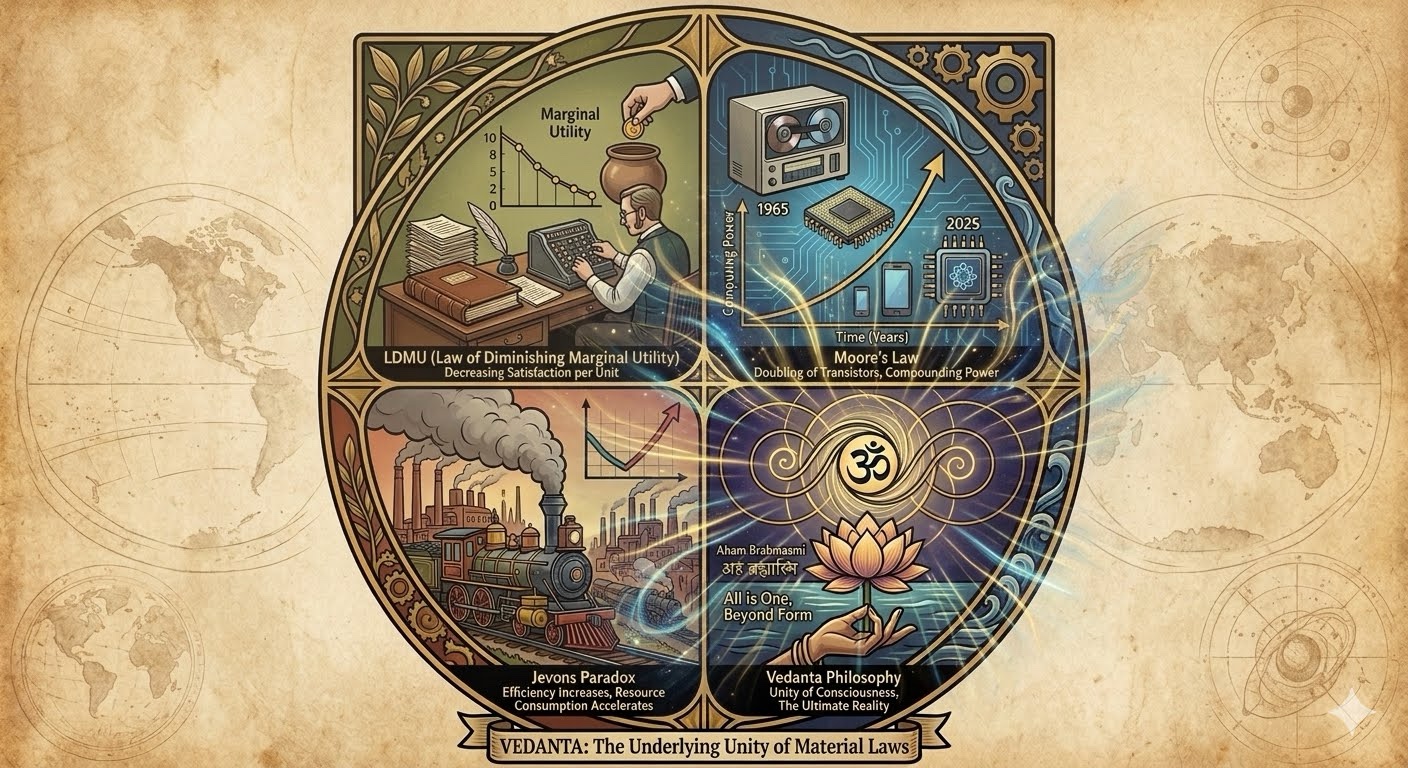
Human Nature, LDMU, and the Search for “Parama Puruṣārtha” Yet that sequence cannot go on forever. For all the empirical power of Moore’s Law and of Jevons’ Paradox, there is a deeper, more stubborn constant: human nature itself. And human nature, as the law of diminishing marginal utility suggests, is wired for satiation, for aContinue reading “How the “Law of Diminishing Marginal Utility”, “Moore’s Law” and “Jevon’s Paradox” teach us all the true Meaning of Life (Part 3 Concluded)”
How the “Law of Diminishing Marginal Utility”, “Moore’s Law” and “Jevon’s Paradox” teach us all the true Meaning of Life (Part 2 of 3)
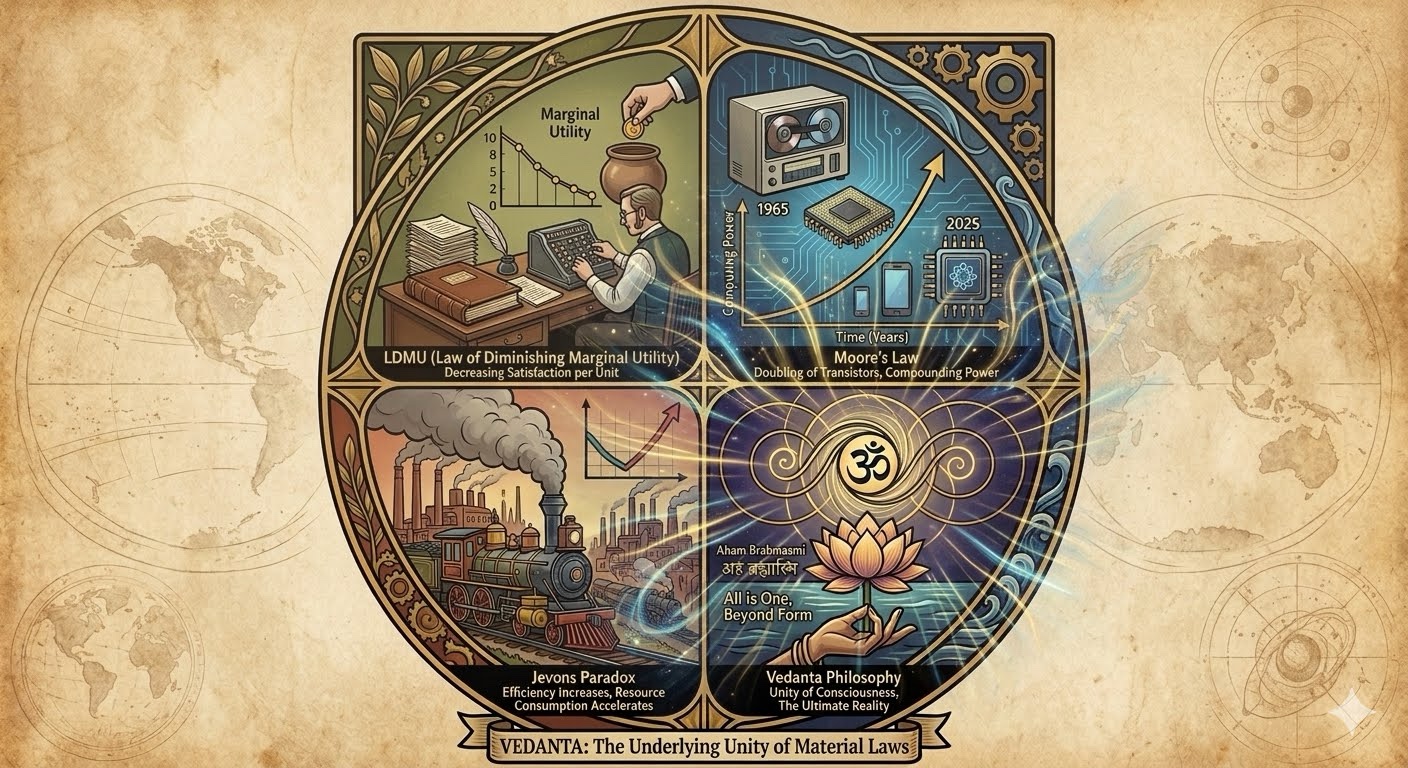
– Part 2 – How One Blends into the Other At first sight, Jevons’ Paradox and Moore’s Law seem to march in tandem while the law of diminishing marginal utility trails behind, like a conservative chorus whispering, “Beware of excess.” But the deeper one looks, the more the three form a subtle choreography. Start withContinue reading “How the “Law of Diminishing Marginal Utility”, “Moore’s Law” and “Jevon’s Paradox” teach us all the true Meaning of Life (Part 2 of 3)”
How the “Law of Diminishing Marginal Utility”, “Moore’s Law” and “Jevon’s Paradox” teach us all the true Meaning of Life (Part 1 of 3)

– Part 1- Of Three Laws: Law of Diminishing Marginal Utility (LDMU), Jevons’ Paradox, and Moore’s Law I first encountered the law of diminishing marginal utility (LDMU) as an undergraduate student of economics in university, wrestling with the neat diagrams of descending marginal‑utility curves and the intuitive truth that each extra unit of a goodContinue reading “How the “Law of Diminishing Marginal Utility”, “Moore’s Law” and “Jevon’s Paradox” teach us all the true Meaning of Life (Part 1 of 3)”
The Tambrahm meal: why “pariseshanam” ritual for males only?

The meal was spread before them on stainless steel plate, an ordinary Brahmin home meal made solemn by habit: rice, sambar, a dab of ghee, some vegetables, and the faint scent of steamed grain rising from the plates. The father sat down with the quiet composure of long familiarity, and with the same measured movementContinue reading “The Tambrahm meal: why “pariseshanam” ritual for males only?”
Sri Krishna dialogues with the “Unknown Sri Vaishnava”: On modern Friendship

-Part I– The train was already moving past the suburbs when Krishna looked up from the window and sighed. “Look at them,” he said softly. “All these young people seated so close to one another, and yet each seems miles away. No one speaks. Their eyes are lowered, their thumbs are busy, and their facesContinue reading “Sri Krishna dialogues with the “Unknown Sri Vaishnava”: On modern Friendship”
The Arc of a Brave New 22nd Century World… the Bhagavad Gītā, and the Bible – Part 3 (CONCLUDED)

Confronted with such a pattern, it is unsurprising that two great scriptures of the world — one recent in history, and the other very ancient — the Bible and the Bhagavad Gītā speak not in the language of dispassionate geopolitics, but in the idiom of divine justice and cosmic rectification. It is cruel irony, perhaps,Continue reading “The Arc of a Brave New 22nd Century World… the Bhagavad Gītā, and the Bible – Part 3 (CONCLUDED)”
The Moving Arc and the “One‑Tenthers” – Part 2 of 3
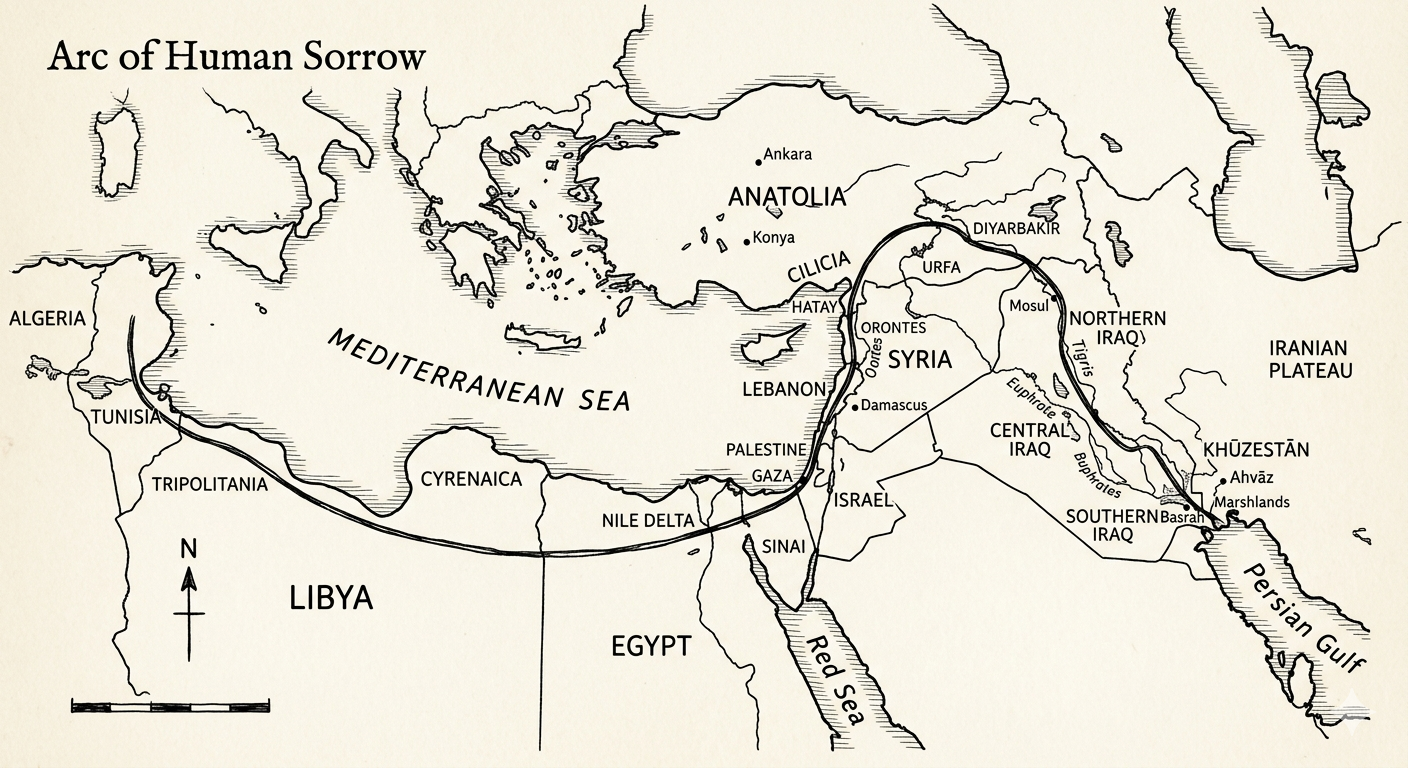
If the arc can be read as a product of resources and strategic geography, it can also be read as a mirror of power asymmetry. Throughout most of human history, the making of the arc’s fate has been reserved for what I call the “One‑Tenthers”—the small minority of great‑power states, imperial elites, and ruling‑class networksContinue reading “The Moving Arc and the “One‑Tenthers” – Part 2 of 3”
WhatsApp conversation with “Eepa”(Sri Indira Parthasarathy) on Samuel Beckett’s famous stage-play, “Waiting for Godot”

On the intriguing subject of “finding meaning in life”, last week on a WhatsApp exchange of messages, back and forth, with Sri Eepa (Indira Parthasarathy, now 96 years old, who lives alone in Athulya Assisted Living Home), we had a very interesting conversation which I take the liberty of sharing here with you . Eepa, the doyen of Tamil literature,Continue reading “WhatsApp conversation with “Eepa”(Sri Indira Parthasarathy) on Samuel Beckett’s famous stage-play, “Waiting for Godot””
“Better to reign in Hell than to serve in Heaven” versus the Sri Vaishnava Ideal of “Nitya Kainkarya Praapthi”

Understanding Sri Vaishnava Soteriology with the aid of Milton’s ‘Paradise Lost’. (A) A comparative glance at moksha and salvation in the three Vedānta schools, Christianity, and Islam Across traditions, liberation or salvation — moksha — is conceived as the final release from bondage, suffering, and separation from the divine. But the nature of that release differs remarkably in ontology,Continue reading ““Better to reign in Hell than to serve in Heaven” versus the Sri Vaishnava Ideal of “Nitya Kainkarya Praapthi””