Tag Archives: Ramayana
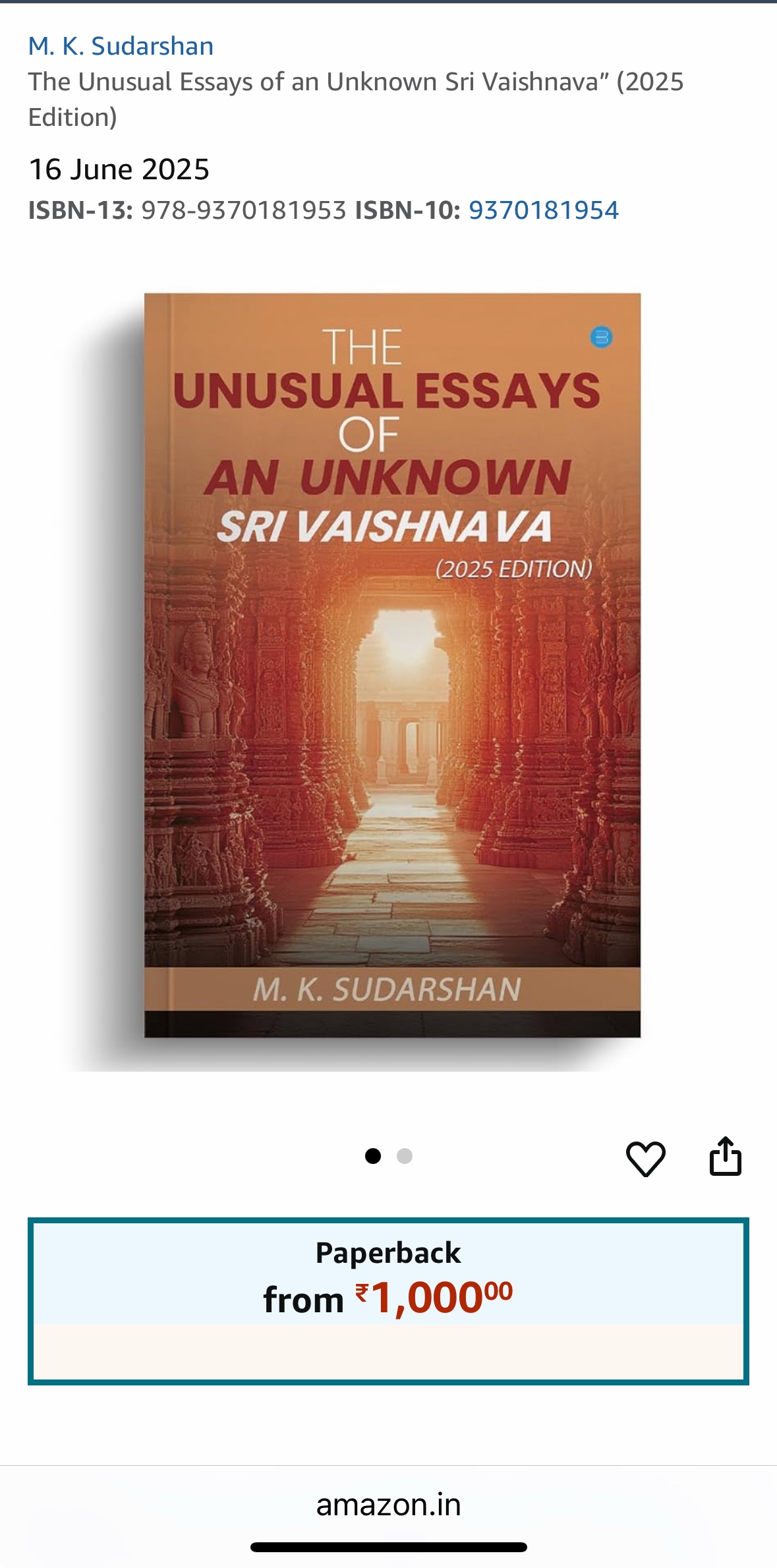
Three Words, One Surrender:

In Srīvaiṣṇava thought, three words keep appearing together: śaraṇāgati, prapatti and nyāsa. Are they synonyms? Not exactly.
Set on the Tirumala hills during a pilgrimage to the temple of Venkaṭeśvara, this dialogue between an American professor of Indian Religious Studies and an unknown Srīvaiṣṇava pilgrim explores their distinctive shades of meaning.
Śaraṇāgati names the heart’s turn to God—the bhakti inflection point of taking refuge.
Prapatti is that surrender developed as a complete upāya, with doctrine, inner disposition, and often ritual.
Nyāsa is the Vedic ideal of self‑entrustment, crystallised in the Mahānārāyaṇa Upaniṣad’s recurring prapadye mantras.
The dialogue also asks whether the wide presence of śaraṇāgati in Advaita, Dvaita, Śaiva Siddhānta, Gauḍīya Vaiṣṇavism, and modern devotional movements makes it a Srīvaiṣṇava borrowing or possession. Its answer is no: surrender is a shared Vaidika–Vedāntic spiritual grammar, though each tradition gives it a different metaphysical and soteriological accent.
Srīvaiṣṇavism’s distinctive contribution lies in its unusually exact and comprehensive articulation of the principle through prapatti and nyāsa.
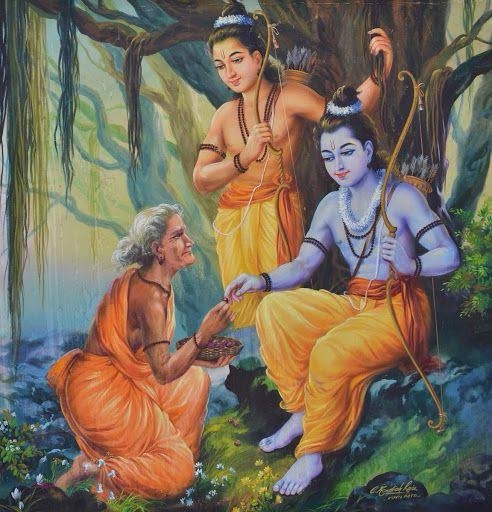
Moving through the stories of Vibhīṣaṇa, Draupadī, Arjuna, Bharata and Kākāsura, the conversation shows how “coming to refuge”, “surrendering” and “placing oneself in God’s hands” can be read as different facets of one profound movement of the soul toward the Divine.
“Ekam sath viprah: bahudah vadanti”: is not about Inclusivity but Universality
Arguing that the Rg Veda’s ideal of “Ekam Sath” is not an inclusive one and that it refers only to the various gods mentioned in a specific line of the concerned Rg Veda text is founded on misunderstanding. If the argument is to be accepted then the Universality of the very idea of Dharma upon which the Vedic Faith is founded gets negated!
A moving “shloka” from Vedanta Desika’s “Hamsa-Sandesham” offers solace to the human heart burdened with suffering: Thoopul Sri. Satagopa Thathachariar explains
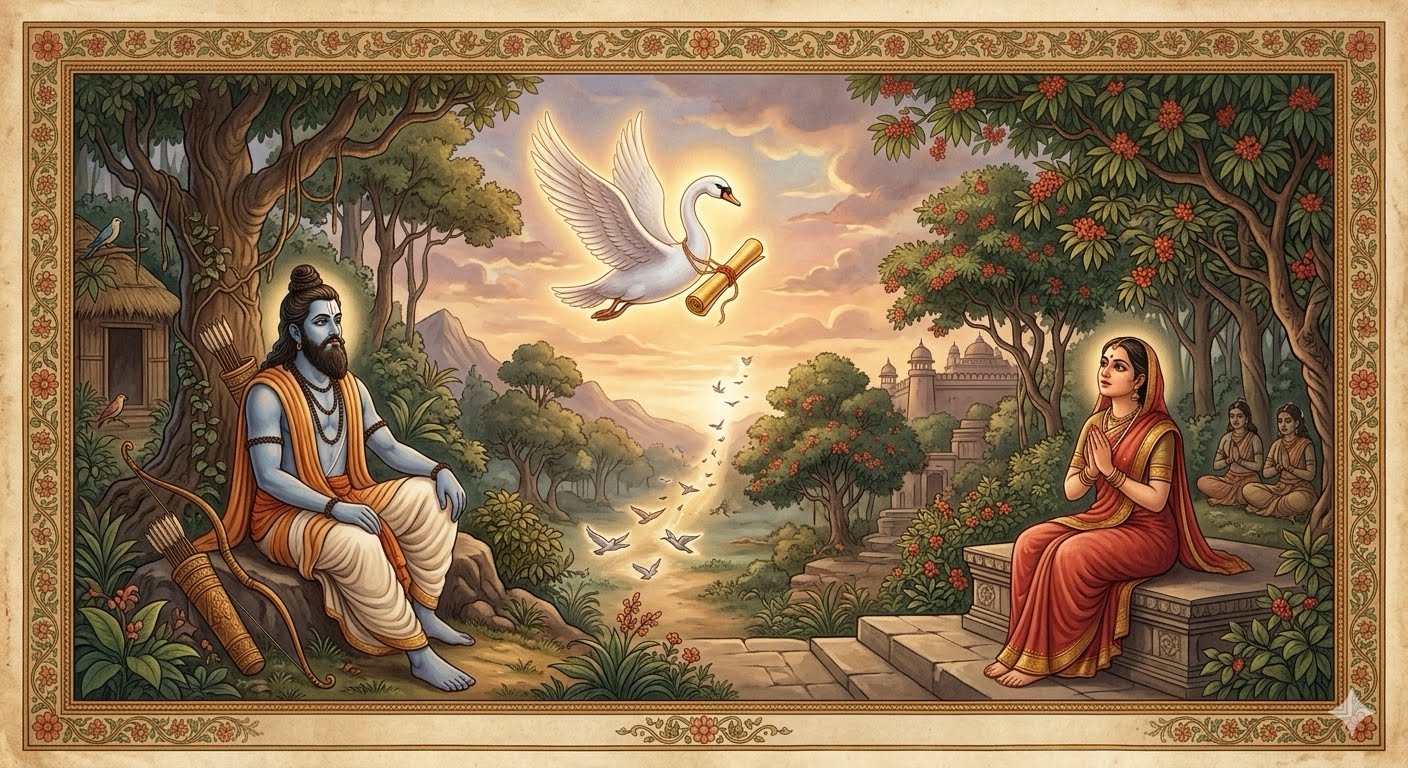
शच्या: क्लेशं क्वचनसमये तादृशं चिन्तयित्वास्मृत्वा देवीमचलतनयाम् विप्रयुक्ताम् शिवेन।रक्षात्मानं कथमपि शुभे जीवितालम्बनं मेपत्युश्छन्दात् व्यसनमपि हि श्लाघनीयं वधूनाम्।। Here is an English translation of the brief Tamil talk on the above Sanskrit shloka in an audio message sent to me today by Thoopul U.Ve. Sriman Satagopa Thathachariar who is Professor in Sanskrit and Nyaya Sastra at theContinue reading “A moving “shloka” from Vedanta Desika’s “Hamsa-Sandesham” offers solace to the human heart burdened with suffering: Thoopul Sri. Satagopa Thathachariar explains”
Peter Turchin, “Manu-Smriti” and the “distress” of “Elite Overproduction” looming over India – (Part 2 of 3)
The Varnashrama system, as described in Manusmriti and other ancient texts, was structured fundamentally to organize society based on vocational aptitudes and duties, aiming to maintain social order and harmony in accordance with cosmic and moral laws (dharma). (Chapter 1.88-91). This system classified society into four main varnas: Brahmins (priests and teachers), Kshatriyas (warriors and rulers),Continue reading “Peter Turchin, “Manu-Smriti” and the “distress” of “Elite Overproduction” looming over India – (Part 2 of 3)”
Tharoorian balderdash: ‘Why am I a Hindu?’: (Part 2 of 2-Concluded)
In the book Ten Heads of Ravana edited by Rajiv Malhotra, the well-known Hinduism scholar and historian, and his co-author, Divya Reddy, compiled ten excellent essays portraying ten prolific and very influential contemporary Hinduphobic writers in India and abroad. Shashi Tharoor finds a place of pride in the pantheon of those notorious ten who areContinue reading “Tharoorian balderdash: ‘Why am I a Hindu?’: (Part 2 of 2-Concluded)”
My Appreciation: A bold feminist re-telling of a scene from “Ramayana” by Indira Parthasarathy (published in “Amuda Surabhi”)
Sri Indira Parthasarathy (Eepa to his fans) was kind enough to send me yesterday a copy of a short-story he had written for the Tamil Magazine “Amudha Surabhi” (please scroll down to read it) . “My story based on uttarakaandam (a little modern for your liking, maybe!) has been published in the latest issue ofContinue reading “My Appreciation: A bold feminist re-telling of a scene from “Ramayana” by Indira Parthasarathy (published in “Amuda Surabhi”)”
Reality of “bhagavath avataara” eludes even the best minds: No wonder Vedanta says it “avataara rahasya”
A very senior and highly distinguished IAS officer (retired) –whose name I shall not disclose here since I respect his privacy — is a good friend of mine for whom I have great respect, knowing as I do his yeoman services rendered to the Goverment of India in his career heydays as a top-bureaucrat. ThisContinue reading “Reality of “bhagavath avataara” eludes even the best minds: No wonder Vedanta says it “avataara rahasya””
More conversations on the Dushyant Sridhar-Rangarajan Narasimhan controversy over dating theory of Rama avatar
In response to a posting of mine on my Facebook Page yesterday July 6. 2024 on the subject https://www.facebook.com/share/RFMkifU5LDErYQQX/?mibextid=WC7FNe, a reader Sri. Para Saran commented as below ⬇️ “Dear Swami, I agree with the overall theme you have written. However Sri Rangarajan is not stirring a storm. If this was said by Nastikas, it isContinue reading “More conversations on the Dushyant Sridhar-Rangarajan Narasimhan controversy over dating theory of Rama avatar”
குயில் நின்றார் பொழில் சூழ் குருகூர்: Part-5: A pilgrim’s jottings at “Azhwar Tirunagari Kshetra”
A pilgrim’s jottings on a 3-day whirlwind pilgrimage, May 4th, 2024 (Tirunelveli-Tuticorin) of Nava Tirupati temples As my road-journey that day wended its way towards Azhwar Tirunagari , a small part of my mind was still pondering over how divine Synchronicity was showing itself up in so many strangely serial ways, or in mysteriously coincidentalContinue reading “குயில் நின்றார் பொழில் சூழ் குருகூர்: Part-5: A pilgrim’s jottings at “Azhwar Tirunagari Kshetra””