Three Words, One Surrender:

In Srīvaiṣṇava thought, three words keep appearing together: śaraṇāgati, prapatti and nyāsa. Are they synonyms? Not exactly.

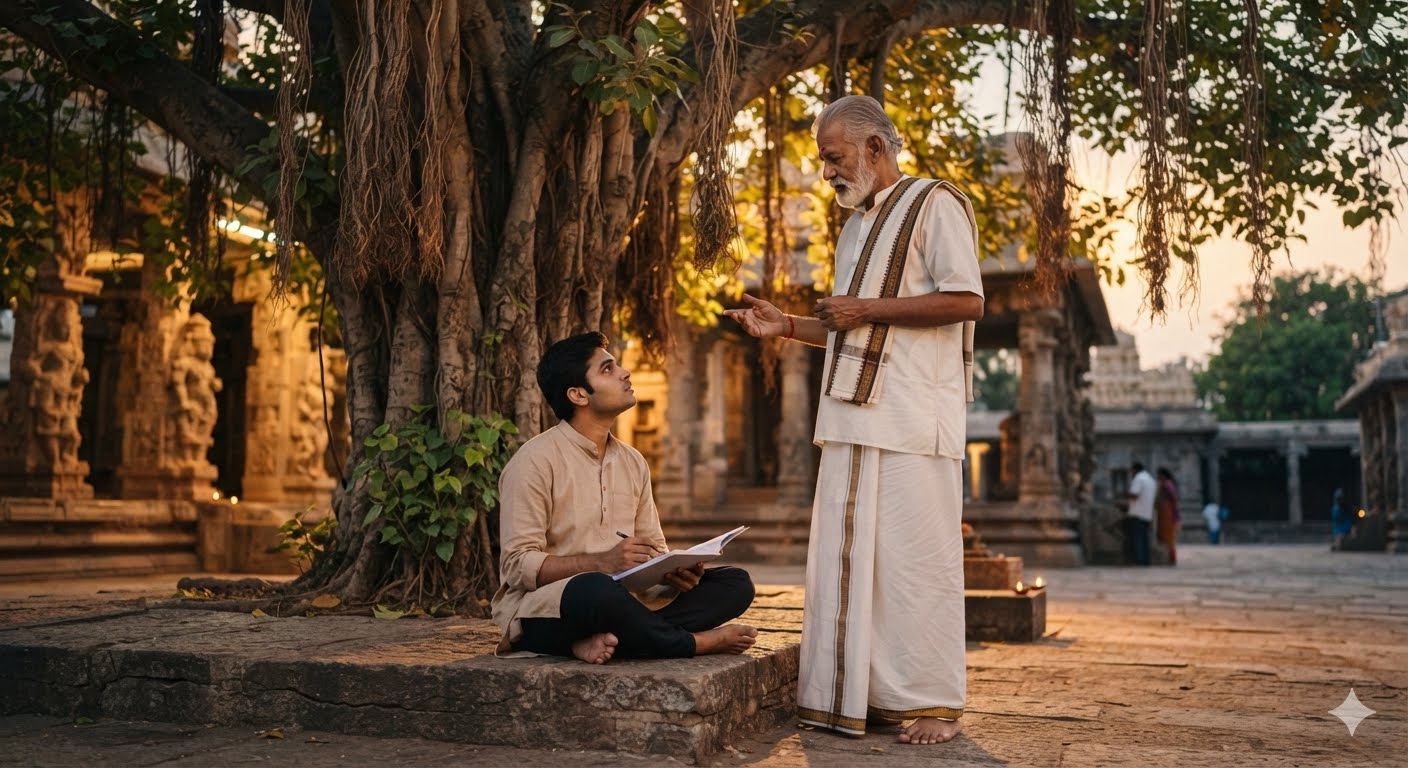
Set on the Tirumala hills during a pilgrimage to the temple of Venkaṭeśvara, this dialogue between an American professor of Indian Religious Studies and an unknown Srīvaiṣṇava pilgrim explores their distinctive shades of meaning.

Śaraṇāgati names the heart’s turn to God—the bhakti inflection point of taking refuge.

Prapatti is that surrender developed as a complete upāya, with doctrine, inner disposition, and often ritual.

Nyāsa is the Vedic ideal of self‑entrustment, crystallised in the Mahānārāyaṇa Upaniṣad’s recurring prapadye mantras.

The dialogue also asks whether the wide presence of śaraṇāgati in Advaita, Dvaita, Śaiva Siddhānta, Gauḍīya Vaiṣṇavism, and modern devotional movements makes it a Srīvaiṣṇava borrowing or possession. Its answer is no: surrender is a shared Vaidika–Vedāntic spiritual grammar, though each tradition gives it a different metaphysical and soteriological accent.

Srīvaiṣṇavism’s distinctive contribution lies in its unusually exact and comprehensive articulation of the principle through prapatti and nyāsa.

Moving through the stories of Vibhīṣaṇa, Draupadī, Arjuna, Bharata and Kākāsura, the conversation shows how “coming to refuge”, “surrendering” and “placing oneself in God’s hands” can be read as different facets of one profound movement of the soul toward the Divine.
“முதியோருக்கு ரஹஸ்யத்ரயஸாரம் ஏன் பிடிக்கிறது”: இளையவருடன் ஒரு உரையாடல்

By M. K. Sudarshan August 6, 2026: Chennai, India இடம்: கோவில் மண்டபத்தின் அமைதியான முற்றம், மாலை நேரம். பழைய ஆலமரத்தின் வழியாக பொன் நிற மாலையொளி ஊடுருவுகிறது. கலாக்ஷேப மண்டபத்திலிருந்து இருவர் வெளியே வருகிறார்கள் — ஒருவர் வயது முதிர்ந்தவர், வெள்ளி நிற முடி, கம்பீரமாக நிமிர்ந்து நிற்கிறார்; மற்றொருவர் இளம் வயது, கையில் நோட்டுப்புத்தகத்துடன். அவர்கள் ஸ்ரீமத் ரஹஸ்யத்ரயஸாரம் பற்றிய உபன்யாசத்தைக் கேட்டிருக்கிறார்கள். பேசுபவர்கள் அறியப்படாத ஸ்ரீவைஷ்ணவர் (இங்கு அஸ்வ): 70Continue reading ““முதியோருக்கு ரஹஸ்யத்ரயஸாரம் ஏன் பிடிக்கிறது”: இளையவருடன் ஒரு உரையாடல்”

கார்ப்பண்யம், கார்ப்பண்ய-தோஷம், மற்றும் பிரபத்தி ஆய்வு: ரஹஸ்ய த்ரய ஸாரம் நூலை அதன் உரிய உபதேசச் சுற்றுவட்டத்தில் வாசிப்பது

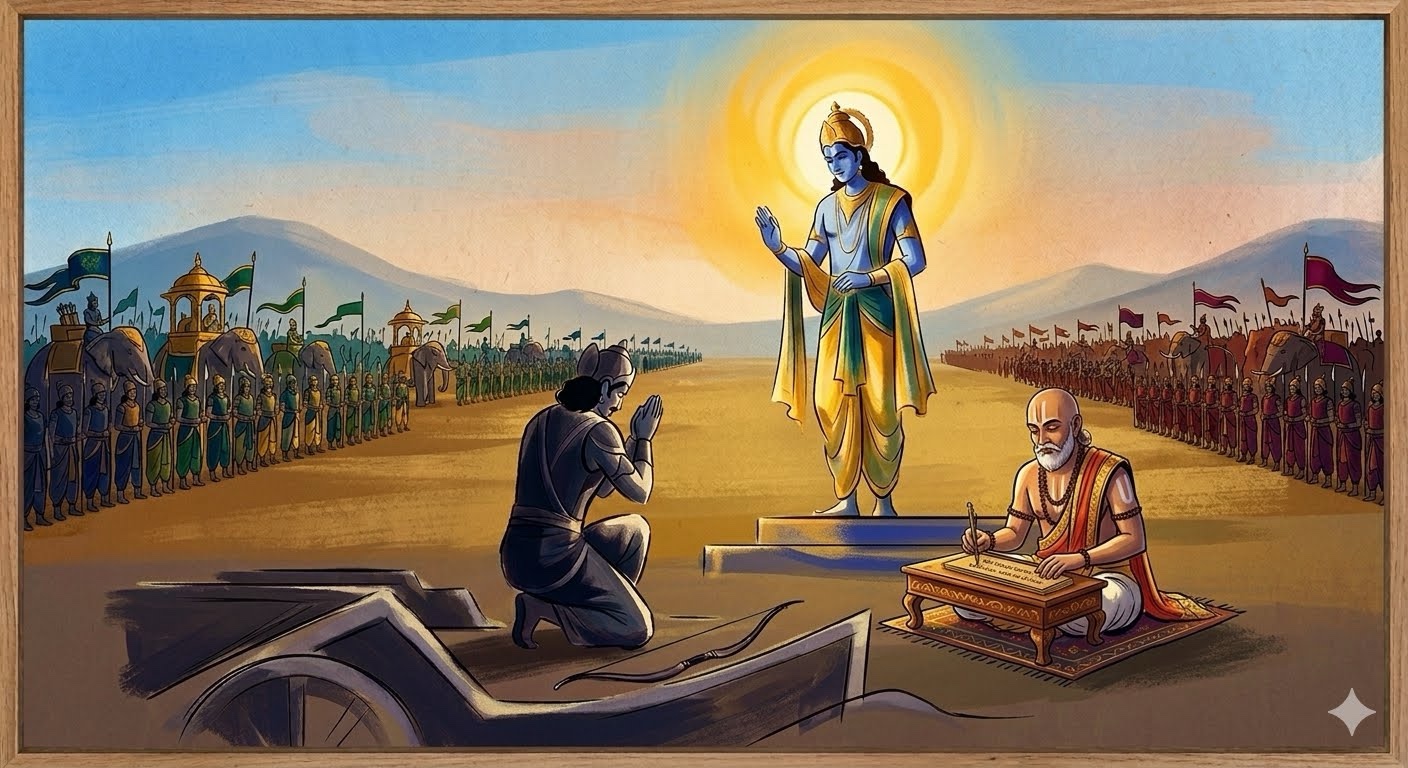
श्रीमान् वेङ्कटनाथार्यः कवितार्किककेसरी ।वेदान्ताचार्यवर्यो मे सन्निधत्तां सदा हृदि ॥ முன்னோக்கு பிரபத்திக்கான மிக வல்லுநரான சாஸ்திர முன்னுரையைக் காண வேண்டுமெனில் அது யாகசாலைச் சூழலில் அல்ல; தன் சொந்த விவேகத்தின் சுமையைத் தாங்க முடியாமல் முறியடையும் மனிதனின் நிலைமையில், போர்க்களத்தின் நடுவில்தான் அது விளங்குகிறது. பகவத்கீதையின் தொடக்கத்தில் அர்ஜுனன் வெறும் துக்கமுற்றவனாகத் தோன்றுவதில்லை; அவன் தர்மத்தில் திகைத்தவனாகவும், மனத்தால் சோர்ந்தவனாகவும், செயல் மேற்கொள்ள முடியாதவனாகவும் நிற்கிறான். 2.7-ஆம் ஸ்லோகத்தில், தன் இயல்பு கார்ப்பண்ய-தோஷம் காரணமாகContinue reading “கார்ப்பண்யம், கார்ப்பண்ய-தோஷம், மற்றும் பிரபத்தி ஆய்வு: ரஹஸ்ய த்ரய ஸாரம் நூலை அதன் உரிய உபதேசச் சுற்றுவட்டத்தில் வாசிப்பது”

Kārpaṇyam, Kārpaṇya-doṣham, and the Study of Prapatti: Reading Rahasya Traya Sāram in its Proper Pedagogical Constellation

श्रीमान् वेङ्कटनाथार्यः कवितार्किककेसरी ।वेदान्ताचार्यवर्यो मे सन्निधत्तां सदा हृदि ॥ Śrīmān veṅkaṭanāthāryaḥ kavitārkikakesarī |Vedāntācāryavaryo me sannidhattāṁ sadā hṛdi ||  Meaning: May the glorious Venkatanatha, the lion among poets and logicians, and the supreme master of Vedanta, always reside in my heart. Overview The most compelling scriptural prelude to the doctrine of prapatti is found not in aContinue reading “Kārpaṇyam, Kārpaṇya-doṣham, and the Study of Prapatti: Reading Rahasya Traya Sāram in its Proper Pedagogical Constellation”