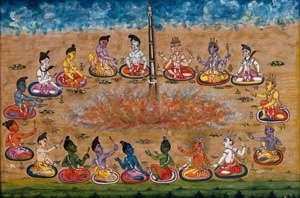
The story of the Hindu yajna tradition in modern India is not merely the story of a ritual form in decline. It is the story of a civilizational inheritance that has gradually lost its centrality in the public religious imagination even while retaining immense scriptural prestige. The older Vedic world placed yajna at the heartContinue reading “The age-old Vedic ritual traditions (“yajna”) that I’ve been so utterly ignorant of for so long …”
Tag Archives: Srivaishnavism
How Manu Smriti Served Liberal Historians and Social Anthropologists as a Handy Tool to Stigmatise Indian “Patriarchy” as Misogynistic (Part 3 & 4) Concluded

By M.K.Sudarshan Chennai, India : June 22, 2026 Part III: How Liberal Historians Perpetuated the Colonial MythThe Continuation of Orientalist Narrative Post-independence, liberal historians and social anthropologists continued the British Orientalist narrative rather than correcting it: Key Figures: • Dr. B.R. Ambedkar (1920s–1950s): Blamed Manu for caste oppression; burned Manu copies (1927)• Uma Chakravarti: “BrahmanicalContinue reading “How Manu Smriti Served Liberal Historians and Social Anthropologists as a Handy Tool to Stigmatise Indian “Patriarchy” as Misogynistic (Part 3 & 4) Concluded”
““Eureka” at Srirangam: The Shared Dawn of Viśiṣṭādvaita””
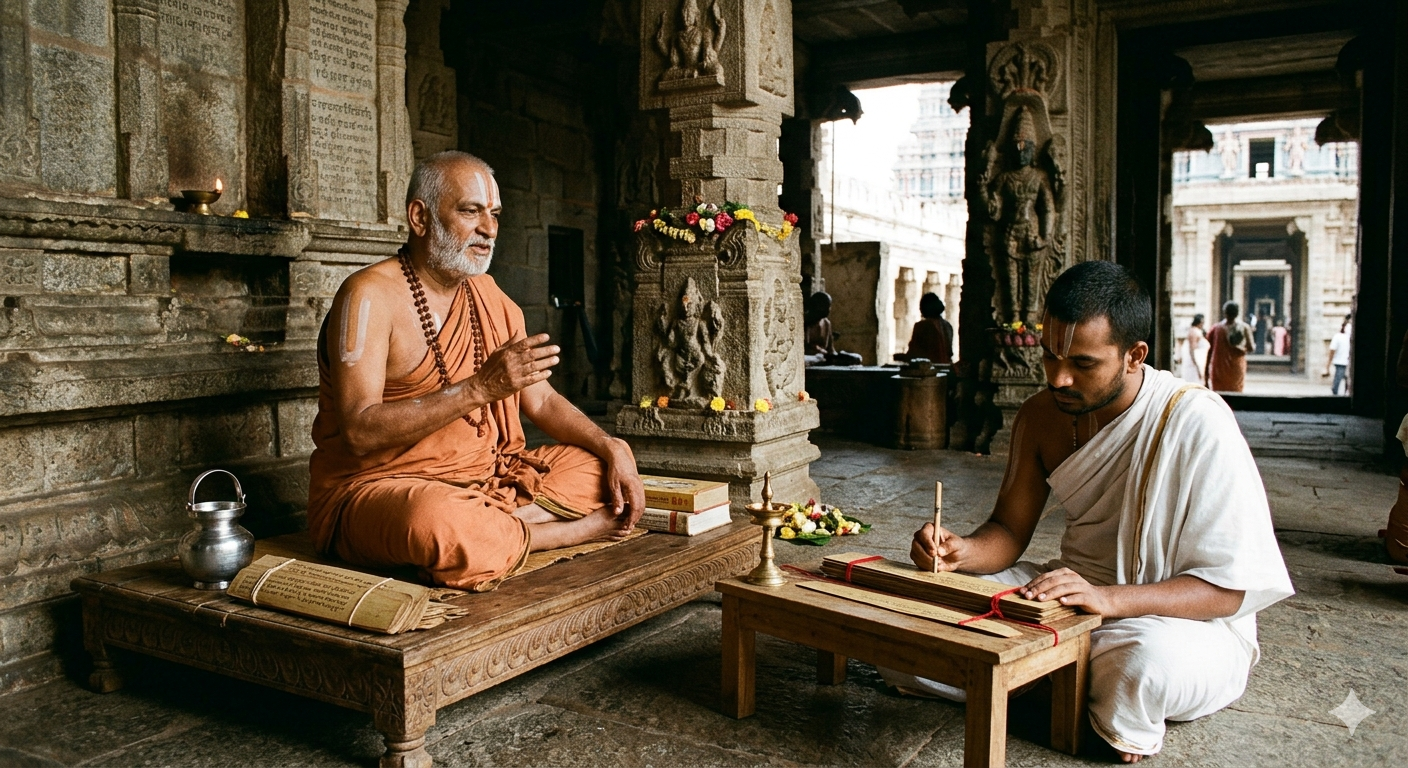
“When the teacher and his faithful disciple together beheld the soul and the world as truly real, and the living truth of Viśiṣṭādvaita dawned.” by M.K. Sudarshan ______________________________ I. The teacher and the disciple: setting and relationship In the great temple-town of Śrī Ranganātha, where the tidal hush of devotion meets the disciplined flame ofContinue reading “““Eureka” at Srirangam: The Shared Dawn of Viśiṣṭādvaita”””
A moving “shloka” from Vedanta Desika’s “Hamsa-Sandesham” offers solace to the human heart burdened with suffering: Thoopul Sri. Satagopa Thathachariar explains
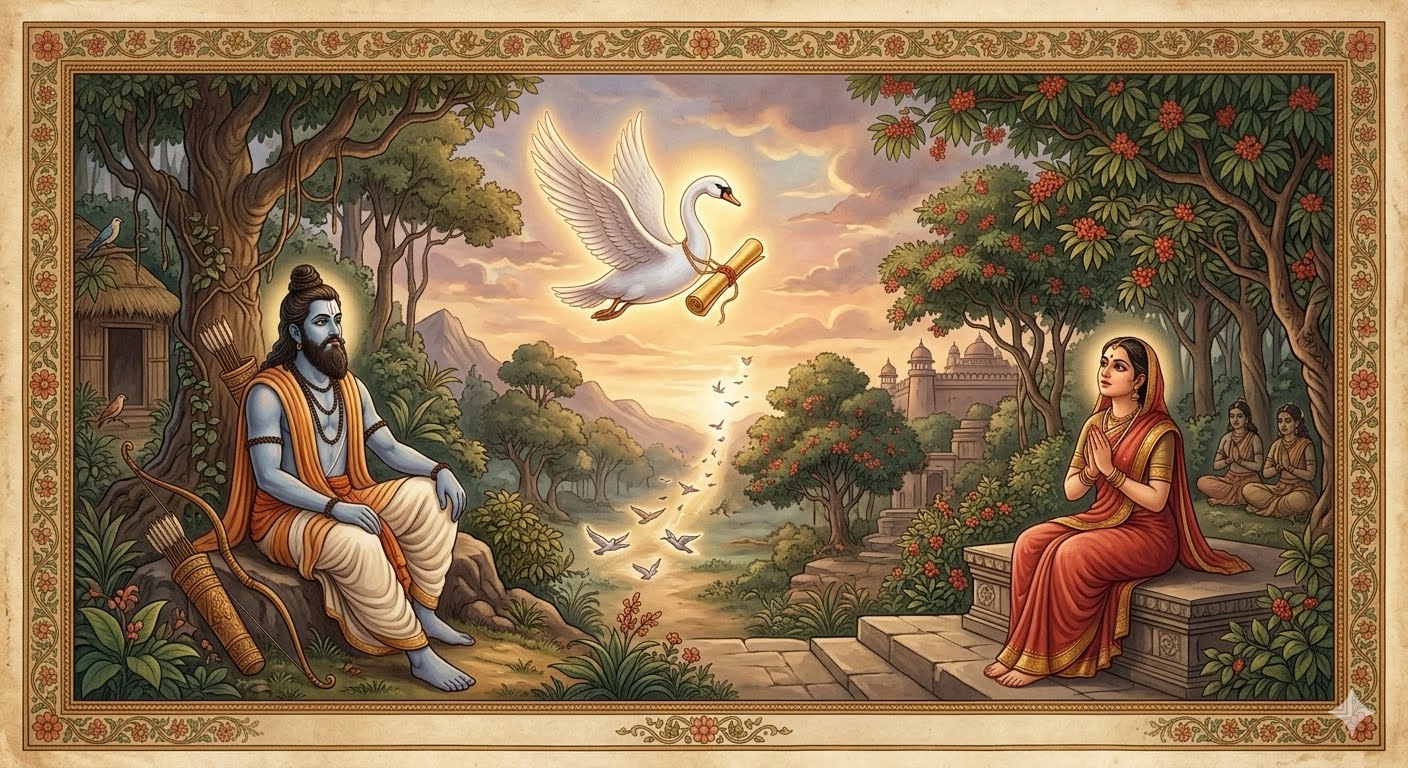
शच्या: क्लेशं क्वचनसमये तादृशं चिन्तयित्वास्मृत्वा देवीमचलतनयाम् विप्रयुक्ताम् शिवेन।रक्षात्मानं कथमपि शुभे जीवितालम्बनं मेपत्युश्छन्दात् व्यसनमपि हि श्लाघनीयं वधूनाम्।। Here is an English translation of the brief Tamil talk on the above Sanskrit shloka in an audio message sent to me today by Thoopul U.Ve. Sriman Satagopa Thathachariar who is Professor in Sanskrit and Nyaya Sastra at theContinue reading “A moving “shloka” from Vedanta Desika’s “Hamsa-Sandesham” offers solace to the human heart burdened with suffering: Thoopul Sri. Satagopa Thathachariar explains”
The Sacred Thread That Politicians Have Torn: How the Sutra Has Been Weaponized in Tamil Nadu

By Sudarshan Madabushi In Hindu ritualism, the thread—or sutra—carries deep significance and emotive value that transcends mere symbolism. The Mangalya Sutra solemnizes the wedding vow, binding two souls in eternal union. The Yajñopavītam (janeu) inaugurates a young brahmacharin into the study of the Veda and the pursuit of Brahma-gnyāna. Our most sacred philosophical texts—the BrahmaContinue reading “The Sacred Thread That Politicians Have Torn: How the Sutra Has Been Weaponized in Tamil Nadu”
கார்ப்பண்யம், கார்ப்பண்ய-தோஷம், மற்றும் பிரபத்தி ஆய்வு: ரஹஸ்ய த்ரய ஸாரம் நூலை அதன் உரிய உபதேசச் சுற்றுவட்டத்தில் வாசிப்பது
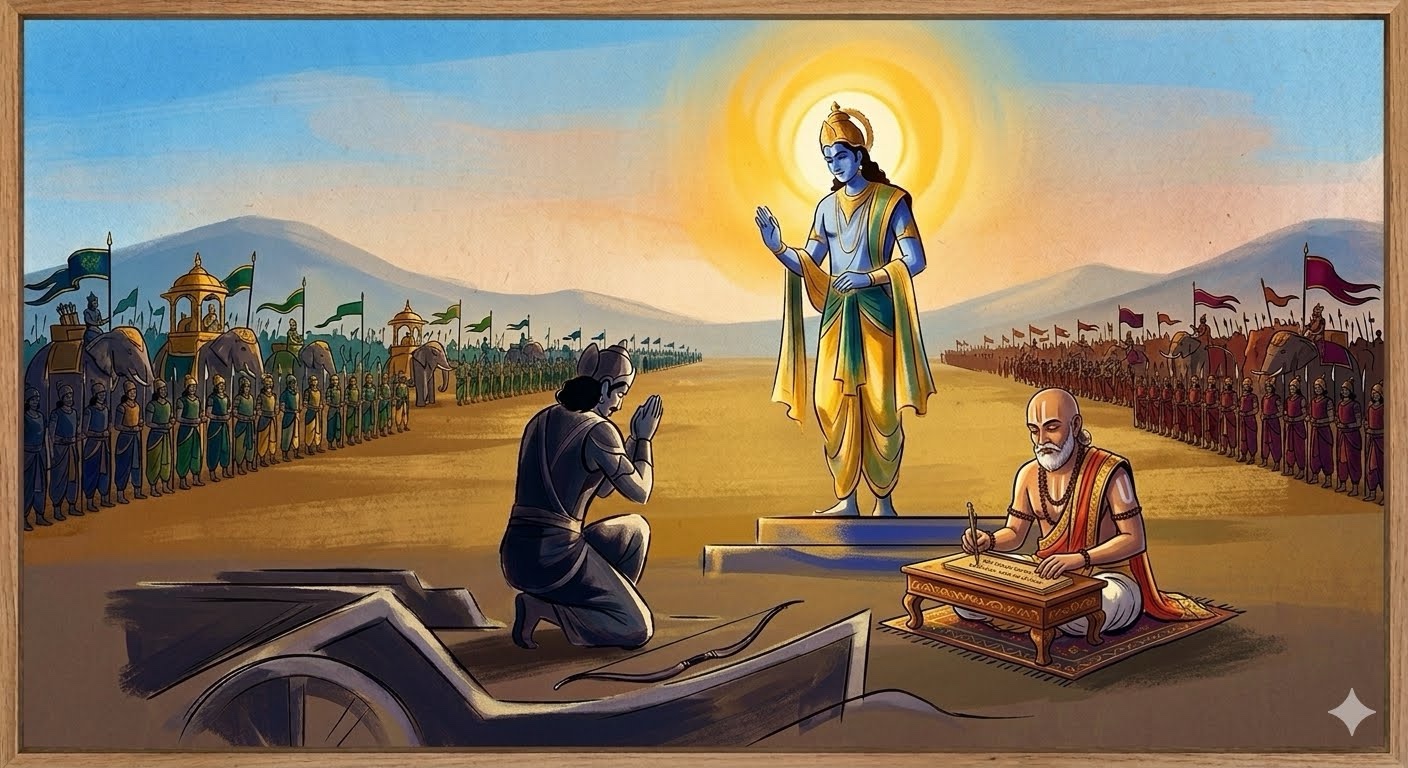
श्रीमान् वेङ्कटनाथार्यः कवितार्किककेसरी ।वेदान्ताचार्यवर्यो मे सन्निधत्तां सदा हृदि ॥ முன்னோக்கு பிரபத்திக்கான மிக வல்லுநரான சாஸ்திர முன்னுரையைக் காண வேண்டுமெனில் அது யாகசாலைச் சூழலில் அல்ல; தன் சொந்த விவேகத்தின் சுமையைத் தாங்க முடியாமல் முறியடையும் மனிதனின் நிலைமையில், போர்க்களத்தின் நடுவில்தான் அது விளங்குகிறது. பகவத்கீதையின் தொடக்கத்தில் அர்ஜுனன் வெறும் துக்கமுற்றவனாகத் தோன்றுவதில்லை; அவன் தர்மத்தில் திகைத்தவனாகவும், மனத்தால் சோர்ந்தவனாகவும், செயல் மேற்கொள்ள முடியாதவனாகவும் நிற்கிறான். 2.7-ஆம் ஸ்லோகத்தில், தன் இயல்பு கார்ப்பண்ய-தோஷம் காரணமாகContinue reading “கார்ப்பண்யம், கார்ப்பண்ய-தோஷம், மற்றும் பிரபத்தி ஆய்வு: ரஹஸ்ய த்ரய ஸாரம் நூலை அதன் உரிய உபதேசச் சுற்றுவட்டத்தில் வாசிப்பது”
Kārpaṇyam, Kārpaṇya-doṣham, and the Study of Prapatti: Reading Rahasya Traya Sāram in its Proper Pedagogical Constellation

श्रीमान् वेङ्कटनाथार्यः कवितार्किककेसरी ।वेदान्ताचार्यवर्यो मे सन्निधत्तां सदा हृदि ॥ Śrīmān veṅkaṭanāthāryaḥ kavitārkikakesarī |Vedāntācāryavaryo me sannidhattāṁ sadā hṛdi || Meaning: May the glorious Venkatanatha, the lion among poets and logicians, and the supreme master of Vedanta, always reside in my heart. Overview The most compelling scriptural prelude to the doctrine of prapatti is found not in aContinue reading “Kārpaṇyam, Kārpaṇya-doṣham, and the Study of Prapatti: Reading Rahasya Traya Sāram in its Proper Pedagogical Constellation”
Vidura, Birth, and Bhakti: A Tension in Reading and interpreting the Mahabharata

Author’s Note: The quotation discussed here in this essay below appears in Vedanta Desikan’s Rahasya Traya Saram, where a Mahabharata episode is re-read within a later Sri Vaishnava interpretive framework. The essay is merely an observation — neutral , non-judgmental and wholly academic. The writer’s purpose in penning the essay is solely to invite religiousContinue reading “Vidura, Birth, and Bhakti: A Tension in Reading and interpreting the Mahabharata”
A tale of Two Cities = A tale of Two Sects— A simplified version of the original review

AMARUVI DEVANATHAN MAY 26, 2026 Dear Reader, Two Class 8 children wanted me to re-write my original review in a simpler form so that they could understand in full. Hence this. Who are the Vadakalais and Thenkalais? Where do they come from? Why do they fight in Indian courts on completely insignificant matters? From whenContinue reading “A tale of Two Cities = A tale of Two Sects— A simplified version of the original review”
Ruins of the “Thanian War”: A Dialogue at Mahabalipuram”

Prologue Mahabalipuram is where the past becomes a touristic afterthought. The Pallava‑era rock cavities, the carved monoliths, the half‑ruined shrines—all stand serene under the coastal sky, admired for their stone, not their sacrament. Visitors pass by, take photographs, sip tea outside the temple, and move on. The devotion that once gave these stones life isContinue reading “Ruins of the “Thanian War”: A Dialogue at Mahabalipuram””