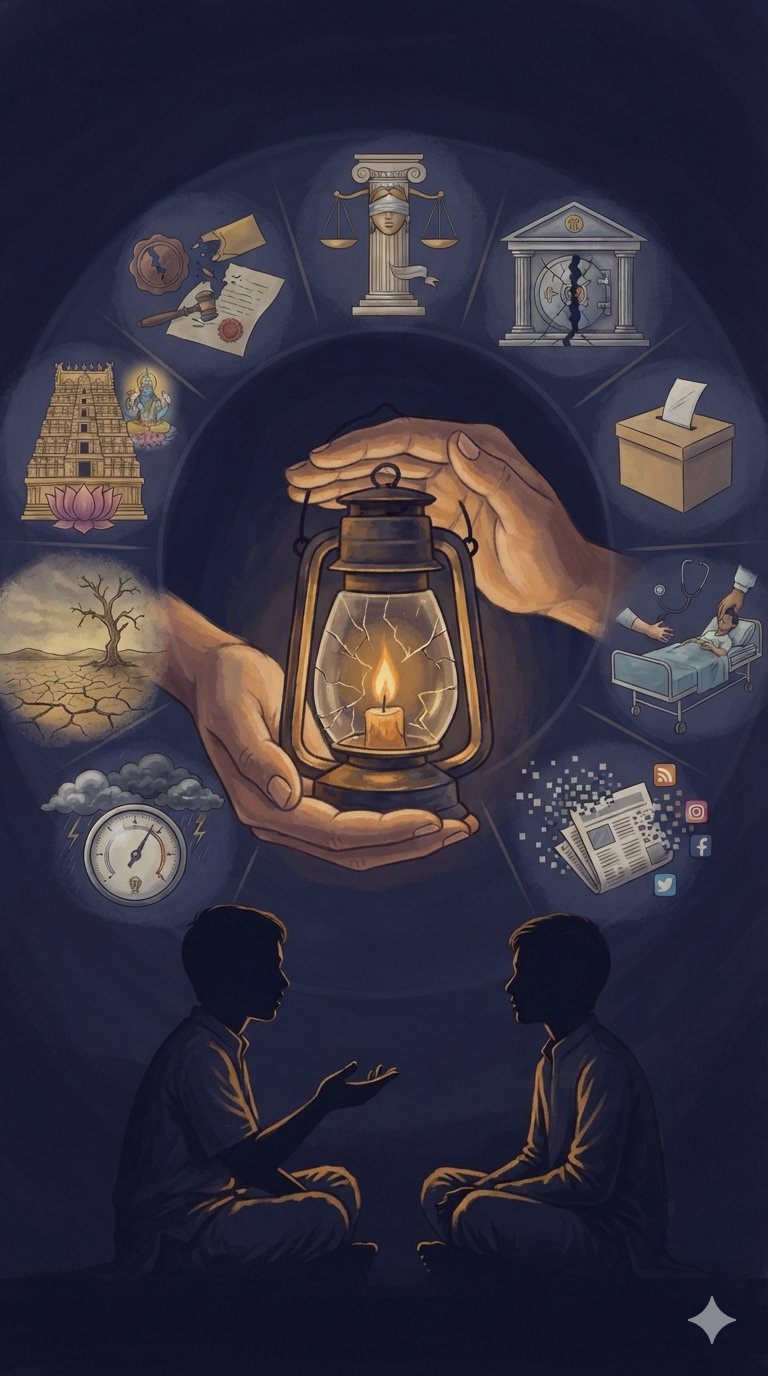
Dialogue IX (CONCLUDING): “The Resurrection of Trust” — In God We Trust: The Mother of All Trust Deficits; and the Death and Resurrection of Trust

Can trust be rebuilt after betrayal—or must we learn a humbler, more discerning form of reliance?

This the last of 9 dialogues that were posted consecutively in the last 9 days after Navarathri.

The dialogues all moved through the modern landscape of public-relations surveys, commercial media, institutional decay, and social entropy. But they also move inward, toward the old spiritual insight that human beings cannot ultimately be their own refuge.

The series now ends in the Sri Vaishnava doctrine of prapatti—self-surrender—and in mahāviśvāsam: the soul’s great, unshakeable trust in the saving grace of Sriman Nārāyaṇa.

This is not a denial of the world’s betrayals. It is a refusal to allow betrayal to become the final truth of human existence.

Perhaps trust is indeed a “candle in the wind”. But even a candle can light another candle. And perhaps, from many small flames faithfully preserved, a resplendent dawn becomes possible.
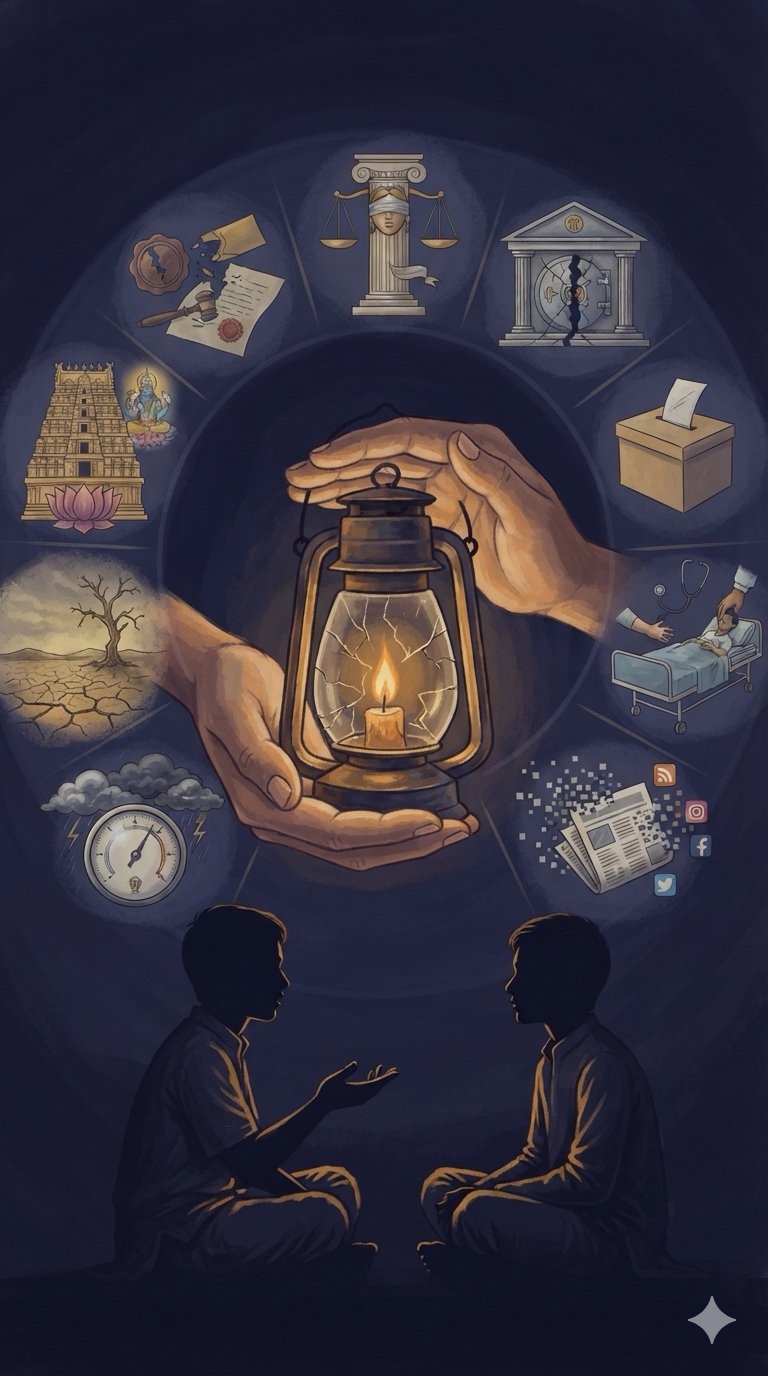
Dialogue VIII: “Mahāviśvāsam” — In God We Trust: The Mother of All Trust Deficits; and the Death and Resurrection of Trust

“In God We Trust: The Mother of All Trust Deficits—and the Death and Resurrection of Trust.”

Nine dialogues between two students of a Vedic university in South India—Ānanda, the restless sceptic, and Madhava, the contemplative Vedāntin—move from Eden’s first broken trust to the modern crisis of credibility, media, democracy, and institutional entropy.

At the centre lies a Sri Vaishnava question: when every earthly refuge trembles, can the soul find its final shelter in mahāviśvāsam—unshakeable trust in the Lord’s grace?

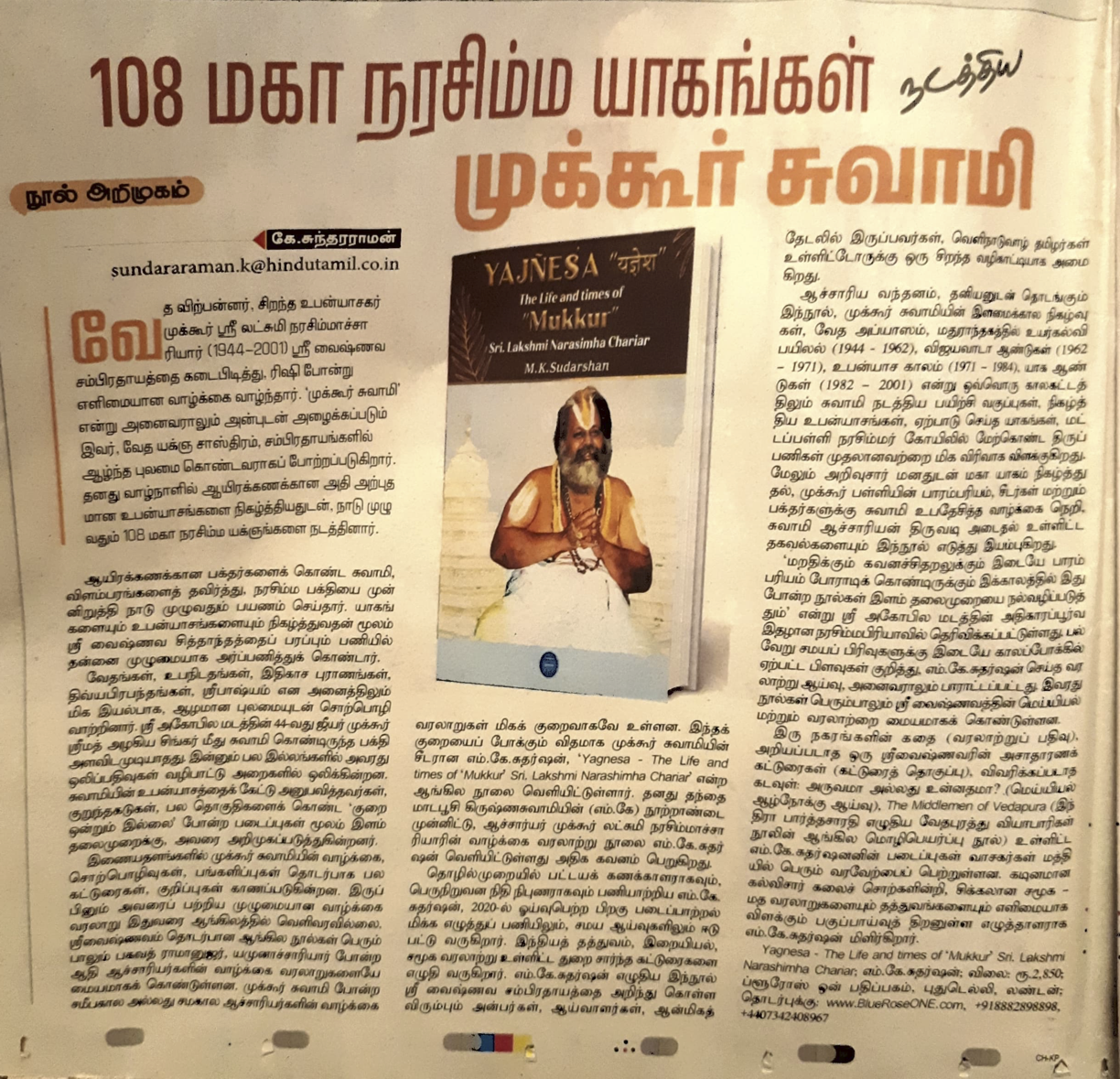
Book Review published in THE HINDU dt October 29, 2026:  ‘Yajnesa – The Life and Times of “Mukkur” Sri Lakshmi Narasimha Chariar.’

An English translation of above Review Mukkur Swami, who conducted 108 Maha Narasimha Yajnas By K. Sundararamansundararaman.k@hindutamil.co.in Veda exponent, excellent orator, Mukkur Sri Lakshmi Narasimha Chariar (1944–2001) strictly adhered to Sri Vaishnava traditions and lived a simple life like a sage. Affectionately called ‘Mukkur Swami’ by everyone, he is revered as a person with deep knowledgeContinue reading “Book Review published in THE HINDU dt October 29, 2026:  ‘Yajnesa – The Life and Times of “Mukkur” Sri Lakshmi Narasimha Chariar.’”

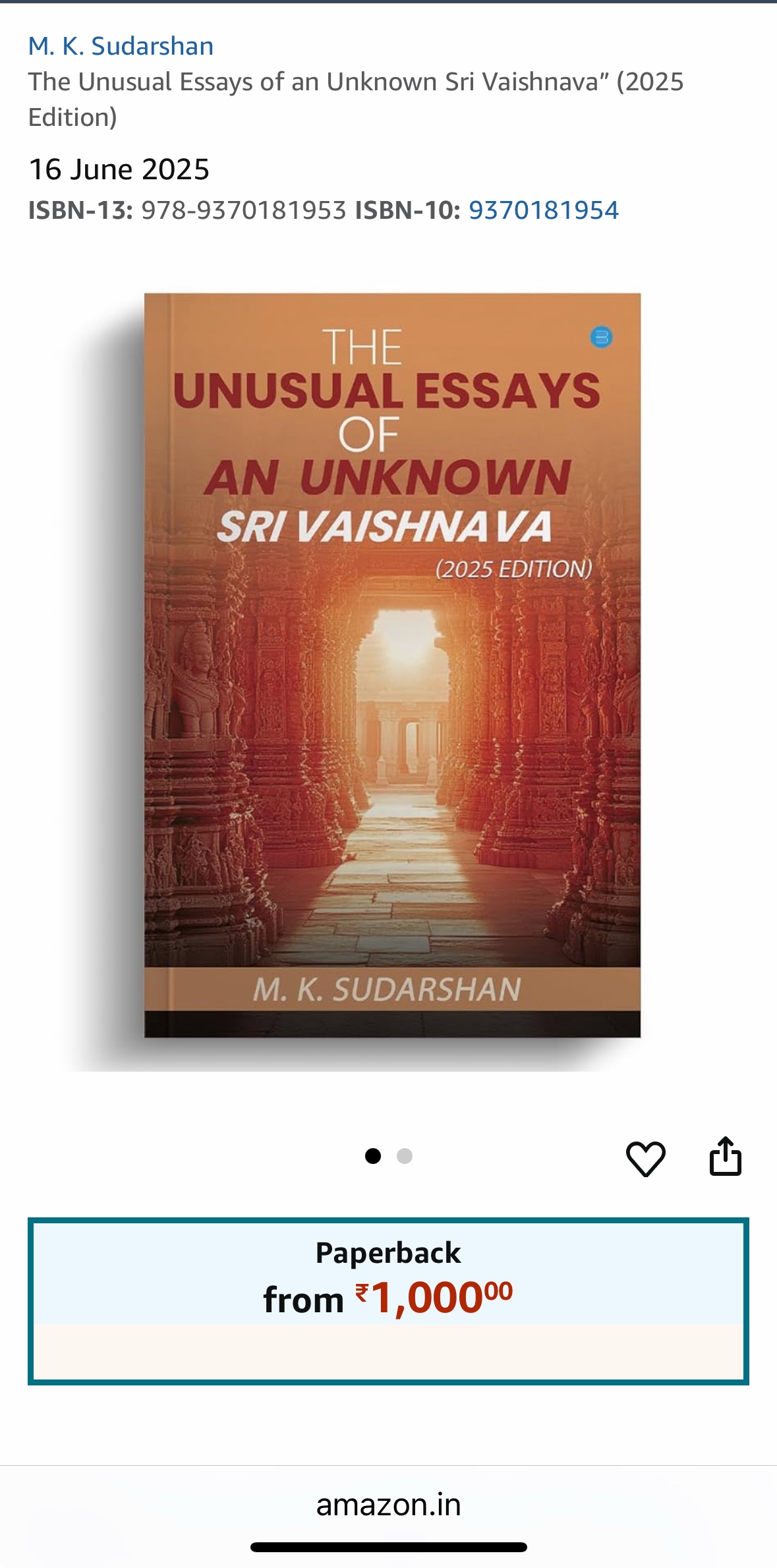
My first book published in 2016 — “The Unusual Essays of an Unknown Sri Vaishnava” — is still resonating almost a decade since its launch! I hope it will still be read in 2036!

“What is Faith?”: The Last Straw — Decentered Minds and the Shore of Salvation

by M.K. Sudarshan October 6, 2026: Chennai, India Faith is not a composite of human faculties like thought, emotion, or principle; it is an existential posture that begins precisely where the mind, intellect, and cerebration completely run out. We often treat faith as if it were a psychological Swiss Army knife—a neat combination of human faculties.Continue reading ““What is Faith?”: The Last Straw — Decentered Minds and the Shore of Salvation”

“Tabula Occulta”: பகவத்கீதை, விசிஷ்டாத்வைதம், மற்றும் இறைவெளிப்பாட்டின் நிகழ்வியலில் உன்னிப்பின் பரிமாற்றம்

எழுதியவர்: Sudarshan Madabushi September 30, 2026: Chennai, India I. கீதையின் மர்மமான வாக்குறுதி பகவத்கீதையின் நான்காம் அத்தியாயத்தில், பகவான் கிருஷ்ணர் ஒரு அறிவிப்பை வெளியிடுகிறார்—அது நூற்றாண்டுகளான வியாக்கியானங்களிலும் பக்தியிலும் எதிரொலித்து வருகிறது: ये यथा मां प्रपद्यन्ते तांस् तथैव भजाम्य् अहम् |मम वर्त्मानुवर्तन्ते मनुष्याः पार्थ सर्वशः ॥ ११ ॥யே யதா மாம் ப்ரபத்யந்தே தாம்ஸ் ததைவ பஜாம்ய் அஹம் |மம வர்த்மானுவர்தந்தே மனுஷ்யா: பார்த்த ஸர்வச: || “ஓContinue reading ““Tabula Occulta”: பகவத்கீதை, விசிஷ்டாத்வைதம், மற்றும் இறைவெளிப்பாட்டின் நிகழ்வியலில் உன்னிப்பின் பரிமாற்றம்”

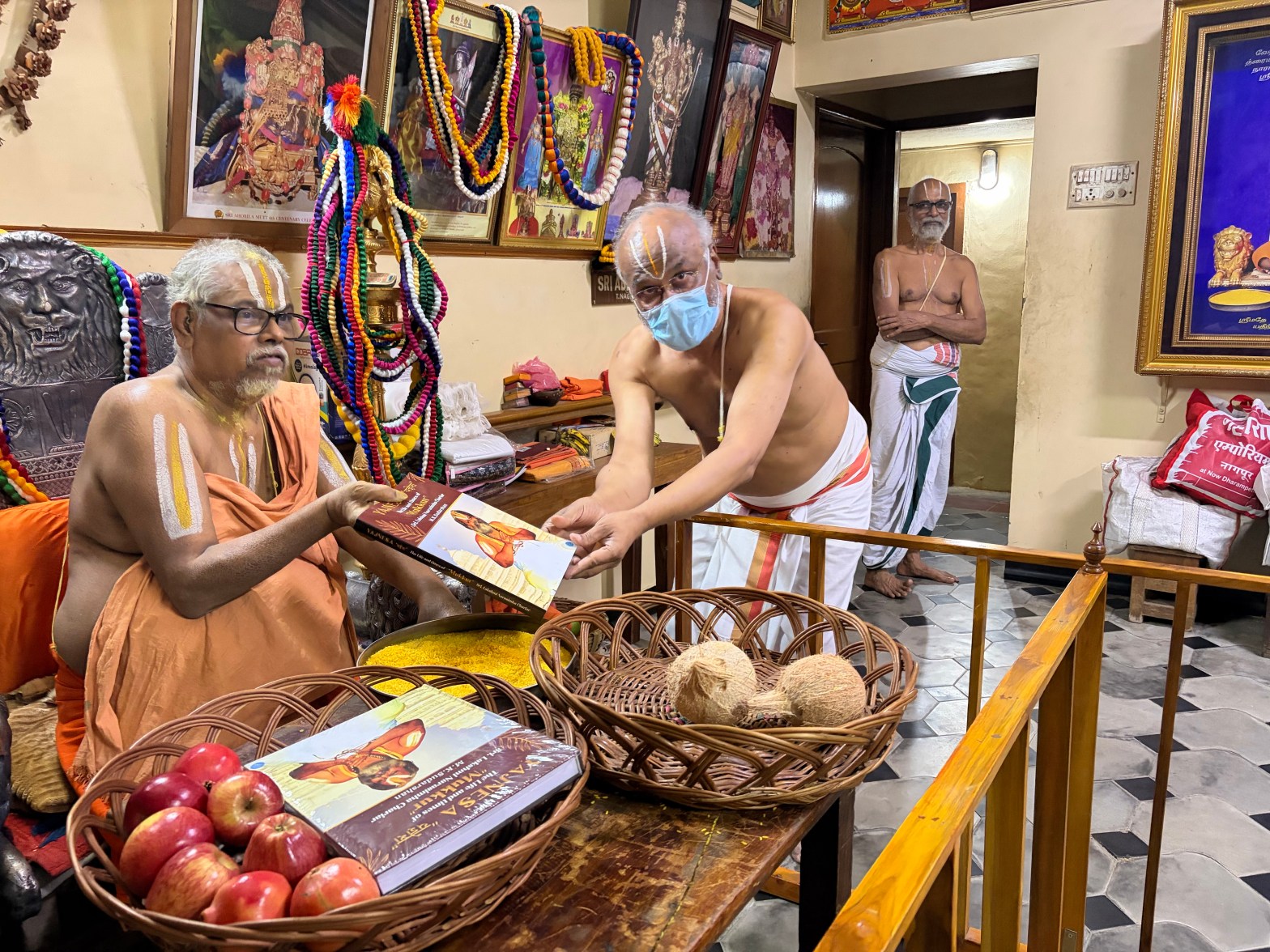
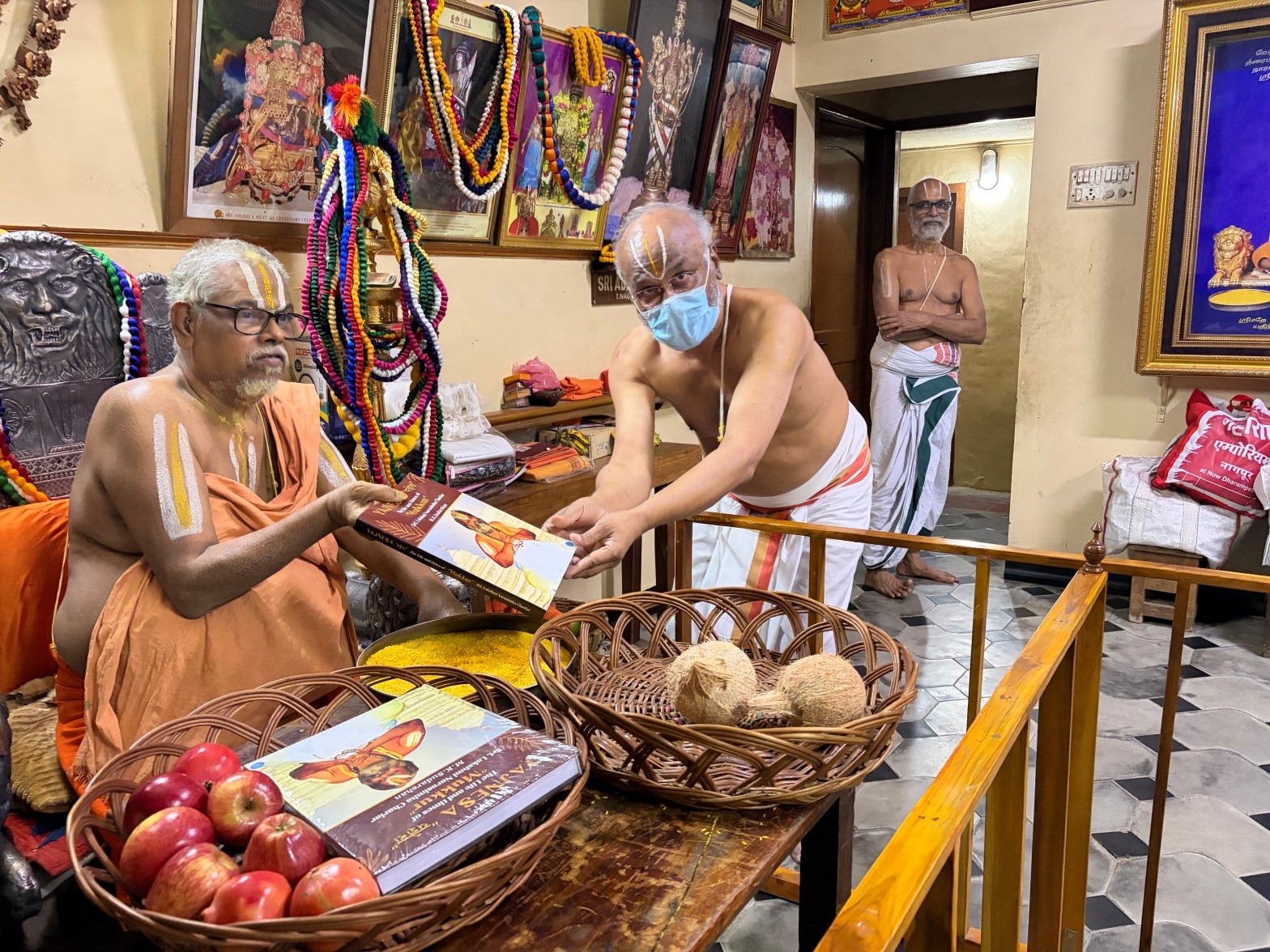
“Yajñeśa: The Life and Times of Mukkur Sri Lakshminarasimhachariar” (1944-2001): Book Launch Event at Mattapalli Sri Nrsimha Kshetra (Andhra Pradesh) on October 8, 2026 on the occasion of the “Shashtiabdapoorthi” of “Tiru Kumarar”, Mukkur Srinivasa Chariar (aka. “MLS Swami”).

Yajñeśa: The Life and Times of Mukkur Sri Lakshmi Narasimha Chariar””: (Blue Rose Publishers)

BOOK LAUNCH EVENT on October 8, 2026 at the sacred premises of the Sri Narasimha Swami Perumal Temple at Mattapalli ( Andhra Pradesh) .

I place YAJNESA with humility at the lotus feet of Sri Lakshmi Narasimha of Mattapalli and dedicate it to the sacred memory of Sri Mukkur Lakshminarasimhachariar Swami.
May this book help carry his life, learning, devotion, and message to readers of the present generation and of generations to come.
Śrī Lakṣmī Nṛsiṁha Parabrahmaṇe Namaḥ.
Śrīmate Rāmānujāya Namaḥ.
Thank you.

M K Sudarshan

“Tabula Occulta”: Intentional Reciprocity in the Bhagavad-gītā, Viśiṣṭādvaita, and the Phenomenology of Divine Revelation

🕉️ New Essay: “Intentional Reciprocity”

What if Bhagavad-gītā 4.11 is not just a theological promise—but a metaphysical principle about the structure of consciousness itself?

Kṛṣṇa says: “In whatever way one worships Me, I reciprocate accordingly.”

Read through the lens of Edmond Husserl’s phenomenology and Rāmānuja’s Viśiṣṭādvaita, this verse reveals a profound truth:

✅ Consciousness is never ex nihilo—it’s eternally self-luminous.

✅ But its intentional reach (dharma-bhūta-jñāna) expands or contracts according to karma.

✅ Divine manifestation is proportional to the karmically shaped intentionality of the devotee.

✅ The real risk isn’t ex nihilo; it’s ex occulto—Bhagavān present but unrevealed.

For readers who love comparative philosophy, Vedānta, phenomenology, and the metaphysics of bhakti.

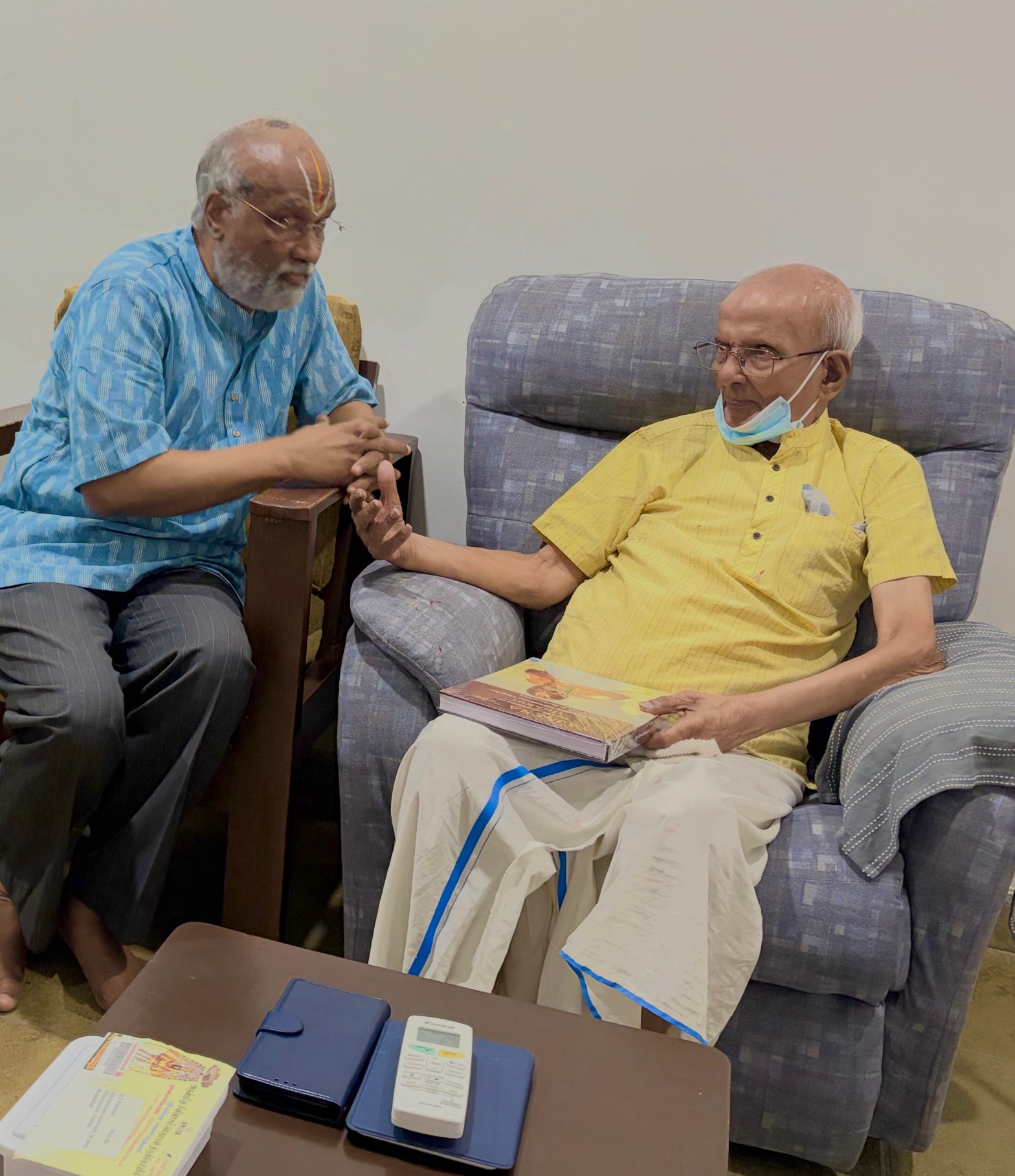
“Yajñeśa”: biography of Mukkur Sri Lakshmi Narasimha Chariar: “Anugraha-sambhaashanam”of HH Srimad Azhagiyasingar Srivann Satagopa Sri Ranganatha Yathindra Mahadesikan

Please watch video below ⬇️ on my YouTube channel http://youtube.com/post/UgkxOO6_8vII7XOhstiD_aglGMGRAZwr5vxT?si=PHo6vtxLPHZsrZN1

Sound as the Beginning—and End—of Vedic Metaphysics: A Modern Recapitulation offered by Sundar Sarukkai

The Veda calls itself the breath of the Veda-Puruṣa, creation a continuum of sound—yet the Upaniṣad says, “from which words turn back with the mind.”

Is this a contradiction?

This essay moves from Sundar Sarukkai’s modern restatement to the Gītā, Taittirīya Śikṣā and Ānanda Valli, and the Viṣṇu Sūkta, showing how Advaita reads the end as silent awareness and Viśiṣṭādvaita as eternal praise in Vaikuṇṭha.